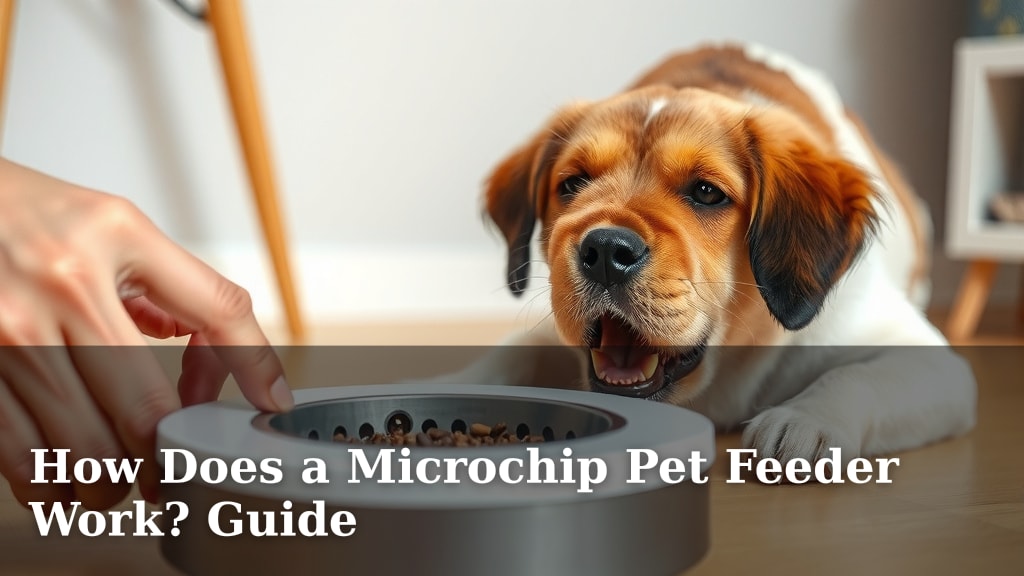
How Does a Microchip Pet Feeder Work? Guide
A microchip pet feeder works by reading your pet’s unique microchip or a special collar tag. This tells the feeder which pet is present. It then opens only for that specific pet, dispensing their pre-portioned food. This ensures that the right pet gets the right food and prevents overeating or dietary issues. It’s a clever way to manage feeding for multi-pet households.
Think of it as a personalized food butler for your furry friends. It solves common problems like one pet stealing another’s food or a pet eating too much. This system helps manage special diets or medical feeding needs. Many owners find it helpful for weight management and managing allergies. It brings peace of mind for pet parents.
- Microchip pet feeders identify your pet using their chip or tag.
- They open only for the designated pet.
- They dispense pre-set food portions.
- They help manage diets and prevent food stealing.
- Great for multi-pet homes and pets with special needs.
Let’s walk through exactly how this smart feeder keeps your pets happy and healthy, one meal at a time!
Understanding How Microchip Pet Feeders Operate
You might be wondering, what exactly makes a microchip pet feeder tick? It’s a clever piece of technology designed to bring order to feeding time, especially in homes with multiple pets. Think of it as a highly personalized serving assistant for your furry family members.
The Core Technology: Identification is Key
At its heart, a microchip pet feeder relies on a simple identification system. This system ensures that only the intended pet can access their specific meal. It prevents common feeding squabbles and ensures dietary control.
Microchip Scanning: The Primary Method
Most of these feeders work by scanning your pet’s unique microchip. This is the same chip that’s implanted by your veterinarian for identification purposes. The feeder has a built-in scanner that reads the chip’s ID number when your pet approaches.
When the feeder detects a registered microchip, it verifies it against its memory. If the chip belongs to a pet programmed for that feeder, it unlocks. This process is remarkably quick and efficient. It’s like your pet having a secret digital key to their food bowl.
Collar Tags: An Alternative Identification Option
What if your pet doesn’t have a microchip, or you’re hesitant about them approaching the scanner? Many feeders also come with special RFID (Radio Frequency Identification) collar tags. These tags are lightweight and hang from your pet’s collar. They work on the same principle as microchips, broadcasting a unique ID to the feeder.
You simply attach a tag to the collar of each pet you want to manage. The feeder reads the tag as the pet gets close. This offers flexibility, especially if you have pets who are uncomfortable with implanted chips or if you’re testing the waters with a new feeder. It’s a very convenient alternative.
The Feeding Mechanism: Portion Control and Dispensing
Once the feeder has identified the correct pet, the next step is dispensing the food. This is where the feeder truly shines in managing your pet’s diet. It’s all about precise portioning.
Pre-Programmed Portions: Tailoring to Needs
Before you can use the feeder, you’ll need to program it with specific information. This usually involves setting the exact portion size for each pet. You can typically measure out the desired amount of food directly into the feeder’s compartment.
Some advanced models allow you to set multiple feeding times throughout the day, along with specific portion sizes for each meal. This is incredibly helpful for pets on strict dietary plans or those who need to lose weight. We found that this level of control is a huge benefit for pet owners.
The Dispensing Process: A Smooth Operation
When the feeder is activated by the correct pet’s identification, an internal mechanism opens a compartment or dispenses the pre-measured food. The food is then made available to the identified pet only. For other pets who approach, the lid remains securely shut. This prevents them from accessing food that isn’t meant for them.
The dispensing is designed to be quiet and smooth, so it doesn’t startle your pet. Imagine your cat calmly approaching, the lid opening just for them, and enjoying their meal without any fuss from their siblings. It’s a peaceful scene!
Managing Multiple Pets with Specialized Diets
This technology is a godsend for households with more than one pet. It directly addresses the challenges that come with managing different dietary needs.
Preventing Food Theft and Overeating
In multi-pet homes, it’s common for one pet to guard their food or for a faster eater to finish theirs and then try to steal from another. This can lead to obesity in one pet and malnutrition in another. A microchip feeder eliminates this problem entirely. Each pet only gets access to their own designated food at their scheduled times.
Catering to Medical and Allergy Needs
Pets with medical conditions or food allergies require very specific diets. For example, a diabetic cat needs a precise amount of low-carb food, while another pet might need a special veterinary diet. These feeders ensure that only the pet prescribed that specific food can eat it. This reduces the risk of adverse reactions or health complications.
Many guidelines from veterinary associations highlight the importance of controlled feeding for pets with conditions like diabetes or kidney disease (American Veterinary Medical Association). Microchip feeders offer a practical way to meet these crucial dietary requirements at home.
Connectivity and Smart Features
Modern microchip pet feeders often come with added smart capabilities. These features can give you even more control and insight into your pet’s feeding habits.
App Control and Monitoring
Many feeders connect to your home Wi-Fi and can be controlled via a smartphone app. This allows you to adjust feeding schedules, portion sizes, and monitor your pet’s consumption remotely. You can often receive notifications when your pet has been fed.
This connectivity is a huge plus for busy owners. You can ensure your pet is fed on time, even if you’re stuck at work or on vacation. It brings a real sense of peace of mind knowing their nutritional needs are being met consistently.
Data Tracking for Health Insights
Some apps will track how much food your pet has eaten and when. This data can be incredibly useful. You can observe patterns and share this information with your veterinarian. It can help in diagnosing issues or simply confirming that your pet is eating as expected. Tracking food intake is a key aspect of monitoring your pet’s health.
Here’s a quick checklist to remember the key functions:
- Reads your pet’s microchip or collar tag for identification.
- Unlocks only for the registered pet.
- Dispenses pre-set food portions accurately.
- Prevents food stealing between pets.
- Supports specialized diets for health needs.
- Often includes app control and feeding data.
A Table of Common Feeder Features
To help you visualize the different capabilities, here’s a comparison of typical features you might find in these smart feeders:
| Feature | Basic Models | Advanced Models |
|---|---|---|
| Identification | Microchip or RFID Tag | Microchip or RFID Tag |
| Portion Control | Manual portion setting | Precise digital portion control, multiple meals |
| Number of Pets Supported | 1-2 pets | 2-4+ pets |
| Connectivity | None | Wi-Fi, Bluetooth, Smartphone App |
| Data Tracking | None | Feeding logs, consumption reports |
| Power Source | Battery or AC adapter | Battery and AC adapter with backup |

Conclusion
You’ve learned how microchip pet feeders work, from their smart identification technology to their precise portion control. These feeders offer a fantastic solution for managing your pets’ diets, especially in busy, multi-pet homes. They ensure the right pet gets the right food, helping with weight management and special dietary needs. Ready to bring more peace of mind to mealtime? Consider investing in a microchip feeder for a happier, healthier pet family.
Frequently Asked Questions
How do I set up a microchip pet feeder?
Setting up is usually straightforward. You’ll typically need to program the feeder with your pet’s microchip number or associate a collar tag with their profile. Then, you’ll set the desired food portions and feeding times through the device’s controls or a connected app. We found the app control made adjustments much easier.
Can a microchip feeder handle different types of food?
Yes, most feeders can handle both dry kibble and some wet food, depending on the model. You’ll want to check the manufacturer’s specifications for compatibility. Ensure the food pieces are a suitable size for the dispensing mechanism to avoid jams.
What happens if my pet’s microchip isn’t read correctly?
If the microchip isn’t read, the feeder won’t open. Most systems offer a backup RFID collar tag option that you can use instead. If both fail, you may need to contact the manufacturer for support or troubleshooting tips specific to your feeder model.
How often do I need to clean a microchip feeder?
Regular cleaning is important for hygiene. You should aim to clean the food bowl and dispensing area at least once a week. Most components are removable and can be washed with mild soap and water. Always check the manufacturer’s guide for specific cleaning instructions.
Are microchip feeders a good investment for a single pet?
Even for a single pet, a microchip feeder can be a smart choice. It’s excellent for controlling portions to manage weight or if your pet has a medical condition requiring a specific diet. It also prevents your pet from overeating if they tend to gobble their food too quickly.