
What Can I Feed My Pet Rats? Safe Diet Tips
You can feed your pet rats a varied diet that includes high-quality rat food pellets, fresh fruits, and vegetables. A balanced diet is essential for their health and happiness. Many common household foods are perfectly safe for them.
Understanding what’s safe means knowing which foods to offer regularly and which to give as occasional treats. We found that a good mix helps prevent boredom and ensures they get all the vitamins and minerals they need. It’s all about giving them a healthy, happy life!
- Rat food pellets should be the staple.
- Fresh fruits and veggies add important nutrients.
- Avoid toxic or fatty foods.
- Offer treats in moderation.
- Always provide fresh water.
Below, we’ll dive into the specifics of safe foods and what to avoid, so you can feel confident about your rat’s meals.
“`htmlWhat to Feed Your Pet Rats for a Healthy Life
So, you’re wondering what your little whiskered friends can munch on? It’s a fantastic question! Providing the right diet is key to keeping your pet rats happy and healthy for years to come. We found that a balanced diet is like a good investment in their well-being. Let’s break down the best food options for them.
The Foundation: High-Quality Rat Food Pellets
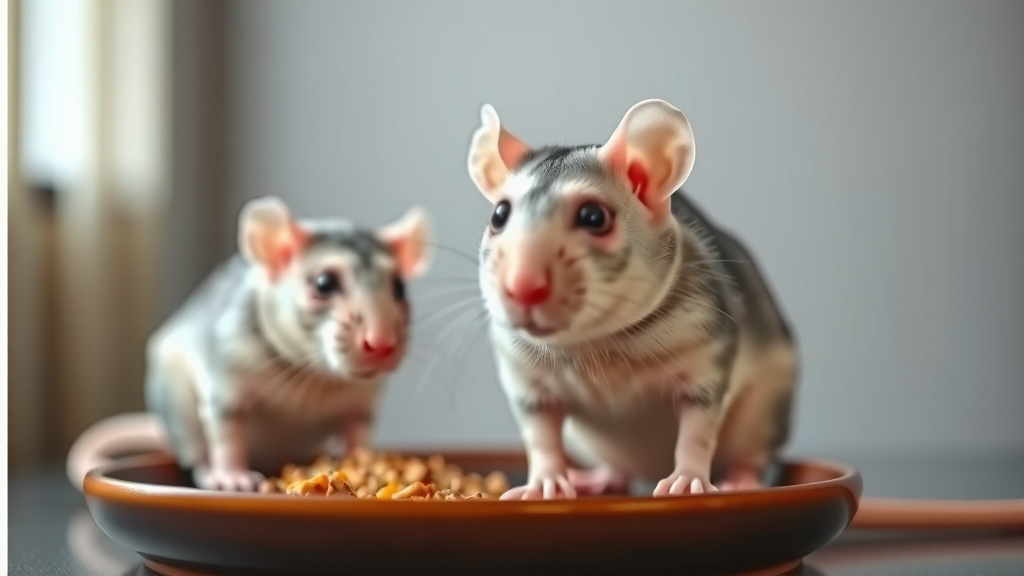
Think of high-quality rat food pellets as the cornerstone of your rat’s diet. These are specifically formulated to give them all the nutrients they need in the right proportions. We recommend choosing pellets that are designed for rats, not just generic rodent food. This ensures they’re getting a complete nutritional profile. Many experts suggest that pellets should make up the bulk of their daily intake, around 80-90%.
When selecting pellets, look for a brand with a protein content of about 14-20% and moderate fat levels. This is especially important for younger, growing rats. Adult rats might need slightly less protein. It’s also helpful to check the ingredients list. You want to see whole grains and protein sources listed high up. Avoid pellets with lots of artificial colors or sugars. We found that brands with a good reputation among rat owners are usually a safe bet.
Adding Freshness: Fruits and Vegetables
While pellets are the main course, fresh fruits and veggies are like the delicious side dishes that make a meal exciting! They add essential vitamins, minerals, and fiber. Think of them as rat candy, but the healthy kind!
Safe Veggie Choices
Many common vegetables are perfectly safe and even beneficial for your rats. Dark, leafy greens are powerhouses of nutrition. Things like spinach, kale, and romaine lettuce are great additions. We found that rats often enjoy bell peppers, broccoli florets, and carrots.
Other good choices include peas, green beans, zucchini, and sweet potatoes. Always wash fresh produce thoroughly before offering it. It’s also a good idea to chop vegetables into bite-sized pieces. This makes them easier for your rats to handle and eat. Remember, variety is the spice of life for your tiny pals!
Terrific Fruit Options
Fruits are a wonderful treat, but they are higher in sugar. So, moderation is key here. Think of them as special occasion snacks. Apples (seeds removed, as they contain cyanide), bananas, berries, and melon are usually big hits.
Grapes and raisins are also okay in very small amounts. However, some research suggests they can be problematic for some rats due to a potential risk of kidney issues with excessive consumption (NCBI). We found that giving these just once or twice a week is plenty. Again, wash all fruits well and remove any pits or large seeds. A tiny sliver of fruit can be a delightful surprise for your pet.
Understanding Treats and Extras
Beyond their daily pellets and fresh produce, your rats might enjoy a few other safe, occasional treats. These can be great for bonding and training.
What About Grains and Protein?
Cooked pasta, rice, and oats can be offered in small quantities. Make sure they are plain, without any added salt or seasonings. Your rats might also enjoy small amounts of cooked, plain chicken or turkey. Scrambled or hard-boiled eggs are another good protein boost. These can be given as a special treat now and then.
Many experts suggest that these should only be occasional additions. The majority of their diet should still come from their balanced rat pellets. We found that offering a tiny bit of cooked chicken is a big hit with most rats!
Foods to Avoid
Just as important as knowing what to feed your rats is knowing what to keep away from them. Some common human foods can be toxic or unhealthy for these little guys. Avoiding these will help keep them safe and sound.
Raw beans and uncooked rice can be harmful. Avoid giving them anything that is too salty, sugary, or fatty. Chocolate, caffeine, and alcohol are absolutely off-limits. Processed foods and junk food are also a definite no-go. Many experts warn against feeding pets food that is not specifically intended for them. This includes avocado and citrus fruits in large quantities. Also, avoid feeding them any moldy or spoiled food. When in doubt, it’s always best to stick to known safe options.
Hydration is Key: Always Fresh Water
We can’t talk about diet without mentioning water! Your pet rats need constant access to fresh, clean water. This is non-negotiable for their health.
Most owners use a sipper bottle attached to their cage. Check the bottle daily to ensure it’s working correctly and that the water is fresh. If you prefer to use a ceramic bowl, make sure it’s heavy enough not to tip over. Rats can be curious and playful, so a sturdy bowl is best. We found that some rats prefer a bowl, while others are perfectly happy with a sipper bottle. Observe your rats to see which they prefer and ensure they are drinking enough.
A Balanced Diet Checklist
Here’s a quick rundown to help you build a great diet for your furry friends:
- Offer a high-quality rat food pellet daily.
- Supplement with a variety of fresh vegetables.
- Provide fruits as occasional, small treats.
- Introduce small amounts of cooked grains or plain protein as extras.
- Always ensure fresh, clean water is available.
- Strictly avoid toxic and unhealthy foods.
Conclusion
You’ve learned a lot about giving your pet rats a healthy and happy diet! Remember, a diet centered around high-quality rat pellets, supplemented with a variety of fresh fruits and vegetables, is the best way to go. Small amounts of cooked grains and plain protein can be fun extras. Most importantly, always provide plenty of fresh water and avoid toxic or unhealthy foods. By following these tips, you’re setting your little friends up for a long and joyful life by your side. Now, go offer them a tasty, safe treat!
Frequently Asked Questions
How much fresh food should I give my rats each day?
You should offer a small portion of fresh fruits and vegetables daily, about a tablespoon per rat. This should be in addition to their daily ration of high-quality rat food pellets, which make up the bulk of their diet. Always monitor how much they eat and adjust accordingly.
Can I feed my rats leftover human meals?
Generally, it’s best to avoid feeding your rats leftover human meals. Most prepared foods contain too much salt, sugar, or unhealthy fats. If you want to share a cooked item, ensure it’s plain, unseasoned chicken, rice, or pasta, and only in very small amounts as an occasional treat.
Are grapes and raisins really bad for rats?
Grapes and raisins can be given in very small quantities as an occasional treat. Some research suggests they might cause kidney issues if fed in excess due to high sugar content. Offering them just once or twice a week is sufficient and helps keep them safe.
What are some common “junk foods” I should never give my rats?
You should never give your rats chocolate, caffeine, alcohol, or any sugary, salty, or fatty processed human snacks. These items can be toxic or cause serious health problems. Stick to their rat pellets and approved fresh foods for their well-being.
How do I know if my rat is getting enough water?
Ensure their sipper bottle is always full and functioning correctly, checking the nozzle daily. If you use a bowl, check it multiple times a day to ensure it’s clean and full. You can also observe your rat’s urine; dark or infrequent urination could indicate dehydration, so consult your vet if you’re concerned.