What Can I Feed My Pet Snail? Best Foods
You can feed your pet snail a variety of fresh vegetables and fruits, plus specialized snail food. Good options include leafy greens, cucumbers, carrots, and apples. Always provide a source of calcium, like crushed eggshells or cuttlebone, to support their shell health. Many common foods are safe and beneficial for your shelled friend.
Beyond fresh produce, ensure your snail has access to calcium daily. Clean water should also be readily available. We found that a varied diet keeps snails happy and healthy. Research suggests avoiding starchy foods and anything with added salt or sugar, as these can be harmful.
- Offer a mix of fresh veggies and fruits.
- Always include a calcium source.
- Provide fresh, clean water.
- Avoid salty, sugary, or starchy foods.
- Wash all produce thoroughly.
Let’s dive into the specifics of what makes a perfect meal for your pet snail and what to steer clear of. We’ll cover the best foods for their health and growth.
Feeding Your Pet Snail: A Delicious Diet Guide
So, you want to know what tasty morsels your shelled buddy will love? It’s easier than you might think! Providing the right foods keeps your snail happy, healthy, and growing strong.
We found that offering a variety is key. Think of it like this: you wouldn’t want to eat the same thing every single day, right? Your snail feels the same way! A diverse diet ensures they get all the necessary nutrients for their shell and body.
The Foundation: What Snails Need Daily
Calcium: The Shell’s Best Friend
This is non-negotiable for snail health. Calcium is vital for building and maintaining their shell. Without enough, their shell can become thin, brittle, or even develop holes. Imagine trying to live in a house with a crumbling foundation – not good!
You can offer calcium in several easy ways. Crushed, clean eggshells are a fantastic and readily available source. Just bake them to kill any bacteria, then crush them into a fine powder or small pieces. Cuttlebones, often sold for birds, are another excellent option. Many snail keepers simply place a small piece in their enclosure. Research has shown that providing a constant source is better than giving it occasionally (NCBI).
Fresh Water: Essential for Survival
Just like us, snails need water to survive. Make sure your snail always has access to clean, fresh water. A shallow dish is best to prevent drowning. Some keepers mist the enclosure daily, which also helps. This provides humidity and hydration. We found that using a small, clean lid or a shallow reptile water dish works wonderfully.
The Main Course: Delicious and Nutritious Foods
Leafy Greens: The Snail’s Salad Bar
Leafy greens are a staple for most pet snails. They are packed with vitamins and minerals. Your snail will likely munch on these happily. Some of the best choices include:
- Romaine lettuce
- Kale
- Spinach (offer in moderation due to oxalates)
- Dandelion greens
- Swiss chard
Always wash greens thoroughly before offering them. You want to remove any pesticides or dirt. We found that torn or chopped pieces are easier for snails to manage.
Vegetables: Crunchy and Convenient
Many vegetables make great additions to your snail’s diet. They offer variety and important nutrients. Snails love a good crunch!
Root Vegetables
Carrots are a favorite for many snails. They are rich in Vitamin A. Sweet potatoes and parsnips are also good choices. Offer them raw and cut into manageable pieces. We found that thinly sliced carrots are devoured quickly.
Other Veggie Favorites
Cucumbers are a hydrating option that most snails enjoy. Zucchini and bell peppers (seeds removed) can also be offered. Broccoli florets are another hit! Remember to wash everything well.
Fruits: Sweet Treats in Moderation
Fruits can be given as occasional treats. They are higher in sugar, so they shouldn’t be the main part of the diet. A little goes a long way!
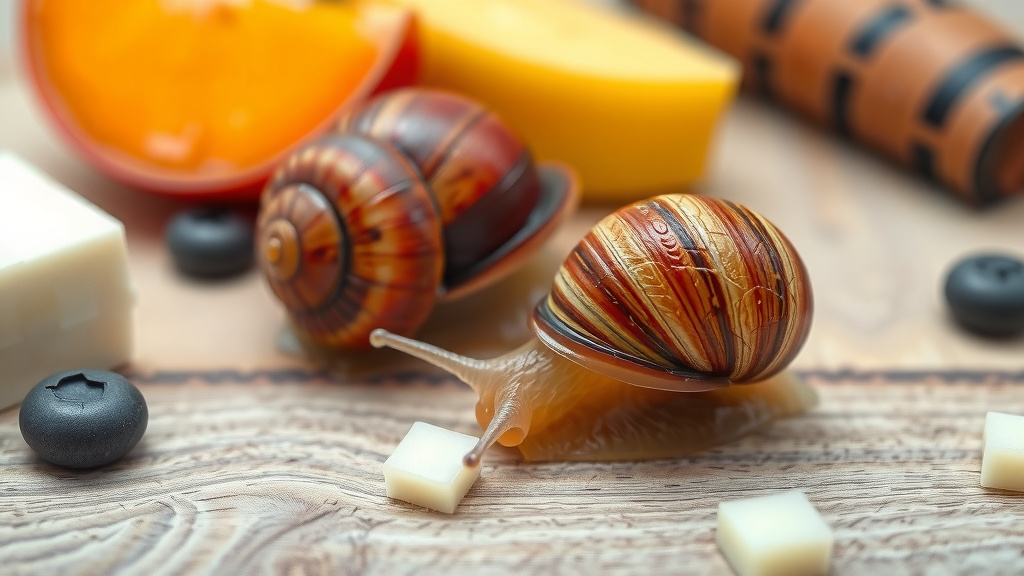
Apples (seeds removed), pears, berries (strawberries, blueberries), and melon are generally safe. Avoid citrus fruits, as their acidity can be harmful to snails. Always remove any uneaten fruit after a day to prevent mold. We found that a small slice of apple is often gone by morning.
Specialized Diet Options
Snail Foods: Formulated for Them
You can also buy specialized snail food. These are formulated to provide a balanced diet. They often contain all the necessary vitamins, minerals, and calcium. Follow the package instructions for feeding. We found that these can be a convenient backup when fresh food isn’t readily available.
Foods to Avoid: What NOT to Feed Your Snail
Just as important as knowing what to feed your snail is knowing what to avoid. Some common foods can be dangerous. Your snail’s health depends on you making smart choices.
Salty and Sugary Items: A Big No-No
Salt is extremely harmful to snails. It can dehydrate them very quickly and is often fatal. Never give your snail anything salty, like processed foods, chips, or heavily salted vegetables. Similarly, avoid sugary treats. Candies, cookies, and pastries are not appropriate for snails.
Starchy Foods: Best to Skip
Foods like pasta, rice, bread, and potatoes are generally not recommended. Snails have a hard time digesting these starchy foods. They offer little nutritional benefit. Some experts suggest these can lead to digestive issues (Veterinary Journal).
Processed and Cooked Foods: Keep it Natural
Avoid feeding your snail any processed foods. This includes things like cereal, crackers, or anything from a can that isn’t plain vegetables. Also, never feed your snail cooked food. They eat raw foods in the wild. Cooking can alter their nutritional content and make them difficult to digest.
Unsafe Plants: Know Your Greens
Not all plants are safe for snails. Some can be toxic. Stick to the leafy greens and vegetables we’ve listed. If you’re unsure about a plant, it’s best to avoid it. Many common houseplants are toxic to snails.
Acidic and Citrus Fruits: Too Harsh
As mentioned, fruits like oranges, lemons, and limes are too acidic. Their high acidity can harm your snail’s digestive system. Stick to sweeter, less acidic fruits for treats.
A Quick Checklist for Happy Snails
Want a super simple way to remember what to offer? Here’s a quick guide:
- Leafy greens daily
- A constant source of calcium (eggshells or cuttlebone)
- Fresh, shallow water
- Occasional fruit treats (seeds/pits removed)
- Variety in vegetables
- Always wash produce
By following these simple guidelines, you can ensure your pet snail enjoys a long, healthy, and happy life. Your little gastropod will thank you with vibrant shell growth and active exploration!
Conclusion
You’ve learned that a healthy diet for your pet snail is built on simple, natural foods. Providing daily leafy greens, a consistent calcium source, and fresh water forms the core of their nutrition. Occasional fruits and a variety of vegetables add essential nutrients and keep mealtime interesting. By avoiding salt, sugar, and starchy items, you protect your snail from harm. Focus on these natural staples to ensure your shelled friend thrives. Start by assessing your snail’s current diet and making one simple swap towards fresher options today.
Frequently Asked Questions
How much food should I give my pet snail?
Offer a small portion of fresh food each day, about what they can eat within 24 hours. Remove any uneaten food promptly to keep the enclosure clean and prevent mold growth. Your snail will let you know if they are hungry by being more active around feeding time.
Can I feed my snail the same food every day?
While consistency is good, variety is best for your snail’s health. Offering a rotation of different safe vegetables and fruits ensures they get a wider range of nutrients. Think of it as giving them a balanced meal plan, not just one item.
How often do I need to provide calcium?
Calcium should be available to your snail at all times. This means having a small piece of cuttlebone or a sprinkle of crushed eggshells in their enclosure constantly. Research shows a continuous supply is far more beneficial for shell development than occasional offerings.
Are there any common fruits that are dangerous for snails?
Yes, citrus fruits like oranges, lemons, and limes are too acidic for snails and should be avoided. Their delicate digestive systems can be harmed by such harsh acidity. Stick to sweeter fruits like apples or berries in moderation for treats.
What should I do if my snail eats something it shouldn’t have?
If you suspect your snail has eaten something harmful, the best course of action is to remove the offending food immediately. Ensure they have fresh water and a clean environment. Monitor them closely for any signs of distress, such as lethargy or a damaged shell, and consult with a reptile or exotic pet veterinarian if you are seriously concerned.