What to Feed a Pet Gecko
Feeding your pet gecko means giving them the right insects and supplements. Most geckos are insectivores, meaning they eat bugs. Common food options include crickets, mealworms, and roaches. Always gut-load feeder insects beforehand.
Your gecko’s diet depends on its species and age. Young geckos need more protein for growth. Adults might benefit from calcium and vitamin supplements. We found that a varied diet keeps them healthy and happy. A balanced diet is key for a vibrant gecko.
TL;DR:
- Feed geckos insects like crickets and mealworms.
- Gut-load feeder insects for better nutrition.
- Supplements like calcium are important.
- Diet varies by gecko species and age.
- Always offer fresh water.
Let’s walk through exactly what your gecko should be eating to stay healthy and thrive.
Feeding Your Gecko: A Culinary Guide
So, you’re wondering what to put in your gecko’s food bowl? It’s more than just tossing in a bug! Understanding your gecko’s dietary needs is key to their health. We’ve found that a varied, species-appropriate diet keeps them vibrant and happy.
Geckos have diverse diets, so the first step is knowing your specific gecko species. Some love insects, others enjoy fruit, and a few even eat plants. For most common pet geckos, though, insects are the main course. Think of them as nature’s tiny protein bars for your scaly friend.
The Insect Buffet: What Bugs Are Best?
Most pet geckos are insectivores. This means their primary food source is insects. Offering a variety of live insects is usually the best approach. It mimics their natural diet and provides essential nutrients.
Staple Feeder Insects
Certain insects are considered staples because they are readily available and nutritious. These should make up the bulk of your gecko’s insect diet.
- Crickets: These are a popular choice for many gecko species. They’re relatively easy to find and gut-load. Just make sure they are the right size for your gecko!
- Mealworms: Another common option, mealworms are small and easy to store. However, they are higher in fat and phosphorus. They should be offered in moderation.
- Black Soldier Fly Larvae (BSFL): Often called “phoenix worms,” these are highly nutritious. They have a good calcium-to-phosphorus ratio, which is important for bone health.
- Dubia Roaches: These are an excellent food source. They are nutritious and relatively easy to care for if you choose to breed your own feeders. They are also less likely to bite or jump than crickets.
Treat Feeder Insects
These insects can be offered occasionally as a treat. They might have a different nutrient profile or be less readily available.
- Waxworms: These are high in fat and are like candy to geckos. Offer them very sparingly, perhaps once or twice a month, as too many can lead to obesity.
- Superworms: Similar to mealworms but larger, superworms can be a good treat for larger gecko species. Again, they are high in fat.
The Importance of Gut-Loading Feeder Insects
Just feeding insects isn’t enough. You need to make sure those insects are packed with nutrients before your gecko eats them. This process is called gut-loading. It’s like feeding your gecko a healthy meal by proxy!
The idea is simple: feed the feeder insects a nutritious diet for 24-48 hours before offering them to your gecko. This transfers those nutrients directly into the insects. We found that this step significantly boosts the nutritional value of the feeder insects.
What to Feed Your Feeder Insects
You can use commercial gut-loading diets, or create your own. Good options include:
- Oats or whole-grain cereal
- Vegetables like carrots, sweet potatoes, and leafy greens (kale, collard greens)
- Commercial gut-load formulas available at pet stores
Always provide a source of moisture, like a piece of fruit or a damp sponge. Remove uneaten food daily to prevent mold. Many experts suggest that consistent gut-loading is one of the easiest ways to ensure your gecko gets essential vitamins and minerals (NCBI).
Supplementation: Adding the Extra Boost
Even with gut-loaded insects, you’ll likely need to supplement your gecko’s diet. This is especially true for calcium and vitamins.
Calcium and Vitamin D3
Calcium is vital for strong bones and preventing metabolic bone disease (MBD). Many insects have a poor calcium-to-phosphorus ratio. This is why dusting feeder insects with a calcium supplement is often necessary.
Vitamin D3 helps your gecko absorb calcium. Most geckos need a calcium supplement that also contains Vitamin D3. However, the amount and frequency depend on your gecko’s species and whether they have access to UVB lighting. We found that dusting insects lightly 2-3 times a week is a common recommendation for many species.
Multivitamin Supplements
A good quality reptile multivitamin can provide other essential vitamins and minerals. These can be used in rotation with calcium supplements. Too much of any vitamin can be harmful, so follow product instructions carefully. We found that using a multivitamin once or twice a week is usually sufficient.
How to Dust Feeder Insects
Place your feeder insects in a bag or container. Add a small amount of powdered supplement. Gently shake the bag to coat the insects. Then, offer them to your gecko immediately.
Species-Specific Diets: Not All Geckos Are the Same!
It’s crucial to remember that not all geckos eat the same thing. Their natural habitats and evolutionary paths have shaped their diets.
Insectivorous Geckos
These are the most common pet geckos. They rely almost entirely on insects. Examples include Leopard Geckos, Crested Geckos (though some will take fruit), and Tokay Geckos. For these, focus on a varied insect diet as discussed above.
Frugivorous/Omnivorous Geckos
Some geckos, like the Crested Gecko and Gargoyle Gecko, are considered omnivores or frugivores. They eat insects but also require a significant portion of their diet from fruits and specialized commercial diets. You can offer pureed fruits like banana, mango, or berries as occasional treats. However, a high-quality commercial gecko diet formulated for their species is essential for balanced nutrition.
Many experts recommend a commercial diet as the primary food source for these species, supplemented with insects. We found that these prepared diets provide a broad spectrum of necessary nutrients.
Herbivorous Geckos
These are less common in the pet trade. They eat plants and vegetables. If you have one of these, research their specific needs carefully. Their diet might include leafy greens, vegetables, and flowers.
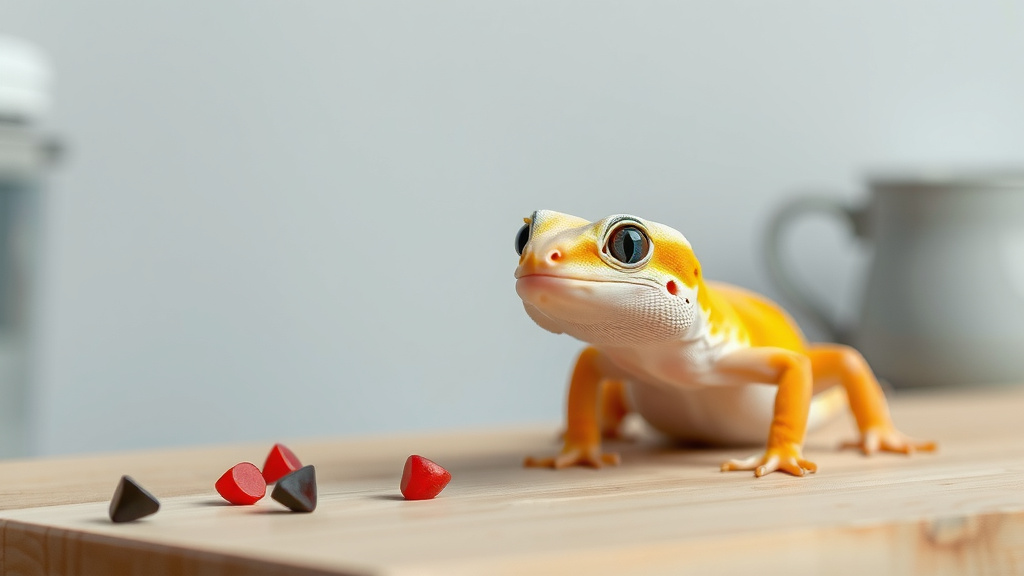
Age and Life Stage Considerations
A young, growing gecko has different nutritional needs than a mature adult.
Hatchlings and Juveniles
Young geckos need a lot of protein to fuel their rapid growth. Offer smaller feeder insects more frequently. For insectivorous species, this might mean feeding daily. For omnivorous species, ensure their commercial diet is appropriate for juveniles.
Adult Geckos
Adult geckos still need a balanced diet, but their feeding frequency might decrease. They need adequate calcium and vitamins to maintain their health. Avoid overfeeding fatty treats, which can lead to obesity.
Water: The Essential Drink
Never forget the simplest, yet most critical, dietary component: fresh water. Always provide a shallow, easily accessible water dish. Clean and refill it daily.
Some geckos prefer to drink from droplets. Misting their enclosure lightly can encourage drinking, especially for species that evolved in humid environments. We found that some geckos rarely drink from a bowl, so misting is essential for them.
What NOT to Feed Your Gecko
It’s just as important to know what to avoid. Some common human foods are toxic or unhealthy for geckos.
- Wild-caught insects: These can carry pesticides or internal parasites.
- Avocado: Toxic to many reptiles.
- Onions and garlic: Can be harmful in large amounts.
- Certain houseplants: Many are toxic. Always research before putting plants in an enclosure.
- Cooked foods: Geckos cannot digest cooked food.
When in doubt, stick to commercially available feeder insects and species-specific diets. Many reputable sources like the Association of Reptile and Amphibian Veterinarians (ARAV) advise against feeding wild insects due to health risks.
Quick Checklist for a Healthy Gecko Diet
- Offer a variety of gut-loaded feeder insects.
- Dust insects with calcium and vitamins as recommended.
- Provide a species-appropriate commercial diet if needed.
- Always ensure fresh, clean water is available.
- Avoid feeding wild-caught insects or toxic foods.
- Monitor your gecko for signs of good health and adjust as needed.
Conclusion
Feeding your gecko a balanced and appropriate diet is fundamental to their well-being. You’ve learned that most geckos thrive on a diet of gut-loaded insects, supplemented with essential vitamins and minerals. Remember to always consider your gecko’s specific species and age, as their needs can vary greatly. By providing a varied menu and fresh water, you’re setting your scaly friend up for a long, healthy, and happy life. Your next step? Double-check your current feeding routine and make any necessary adjustments based on what you’ve learned here.
Frequently Asked Questions
How often should I feed my pet gecko?
Feeding frequency depends on your gecko’s age and species. Younger geckos typically need to be fed daily to support growth. Adult geckos might only need feeding every other day or a few times a week. Always research your specific gecko’s needs.
What are the best commercial diets for omnivorous geckos?
For omnivorous species like Crested Geckos, high-quality commercial gecko diets formulated for their species are best. Brands that offer balanced nutrition with fruits and insect protein are often recommended. These provide a complete base diet.
Can I feed my gecko wild-caught insects?
It’s strongly advised against feeding your gecko wild-caught insects. They can carry harmful pesticides, herbicides, or internal parasites that could make your gecko very sick. Stick to commercially bred feeder insects for safety.
How do I know if my gecko is getting enough calcium?
Signs of calcium deficiency can include lethargy, weak bones, and twitching. Regularly dusting feeder insects with a calcium supplement containing D3 is essential. Observing your gecko’s activity levels and physical condition can also indicate if their calcium intake is adequate.
What should I do if my gecko isn’t drinking from its water dish?
Some geckos prefer to drink droplets. Lightly misting your gecko’s enclosure daily can encourage them to drink, especially for species from humid environments. Ensure the water dish is clean and easily accessible, but don’t worry too much if they prefer misted surfaces.