What to Feed a Pet Dragonfly
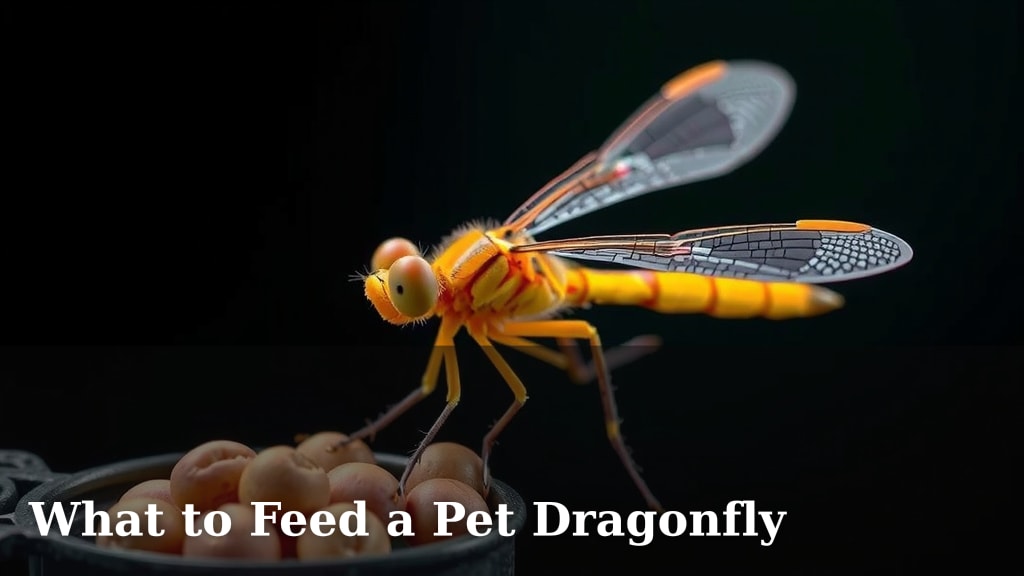
When you’re wondering what to feed a pet dragonfly, the answer is simple: live insects. Your new winged friend needs a diet of small, **active prey** like fruit flies, gnats, or tiny crickets. You’ll want to ensure the insects are **appropriately sized** for your dragonfly. Anything too large can be difficult for them to catch and eat.
Keeping a pet dragonfly can be a fascinating experience. They are natural predators and require specific care to thrive. Providing the right food is one of the **most important aspects** of their care. We found that a consistent supply of fresh, live food is **key to their health**.
- Dragonflies eat live insects.
- Small flies and gnats are good choices.
- Ensure prey is the right size.
- Fresh food is essential for health.
- Avoid pre-killed or dried insects.
Let’s walk through exactly what your pet dragonfly will need to eat and how to provide it.
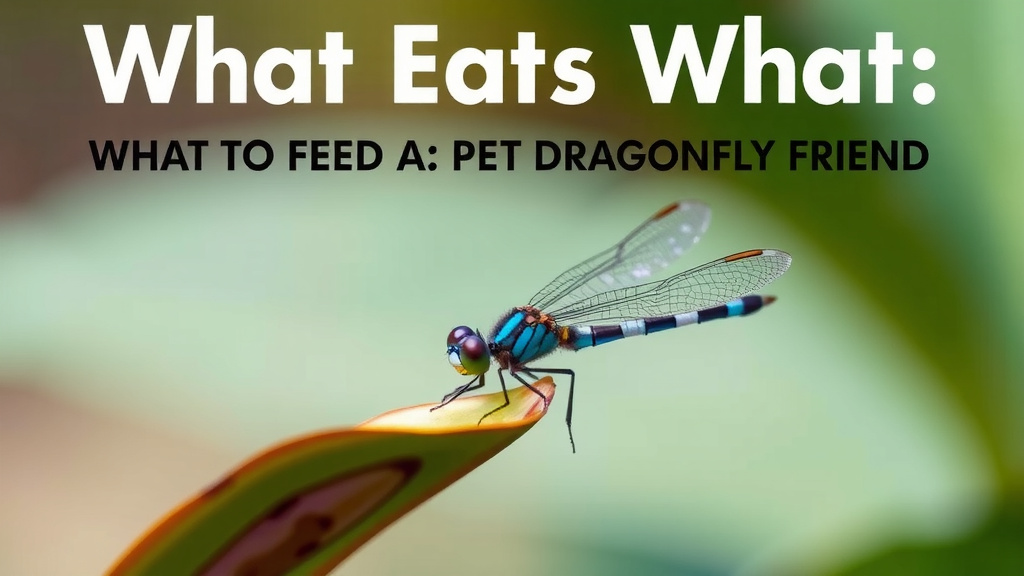
What Eats What: Feeding Your Dragonfly Friend
When it comes to feeding your pet dragonfly, think like a tiny hunter yourself. Your new pal needs a diet of **live insects**. These aren’t picky eaters in the wild, but in captivity, you’re their provider. We found that the key is offering the right kind of **small, active prey**. Imagine your dragonfly zipping through the air. They’re built to catch moving targets!
The Ideal Diet: What to Offer
So, what exactly are we talking about when we say “live insects”? You’ll want to stick to prey that is appropriately sized. Anything too large can be a struggle for your dragonfly to catch and consume. Think of it like trying to eat a meal that’s way too big for your mouth!
Fruit Flies and Gnats
Fruit flies and tiny gnats are often the perfect size for many pet dragonflies. They’re small, readily available, and most importantly, they move! Their frantic little flights mimic the natural prey your dragonfly would hunt. You can often find these in pet stores or even culture them yourself if you’re feeling adventurous. We found that a consistent supply of these little movers keeps our dragonflies happy and active.
Tiny Crickets and Other Small Insects
For slightly larger dragonfly species, or as an occasional treat, you might consider pinhead crickets. These are the very young, very small crickets. Make sure they are no bigger than the dragonfly’s head. You can also look for other small, flightless insects that are similar in size. Remember, the goal is easy hunting and digestion for your pet.
What to Avoid
Now, what should you steer clear of? This is super important. **Never offer dead or dried insects**. Dragonflies are wired to hunt moving prey. A stationary bug won’t trigger their hunting instinct. Moreover, dried insects lack the moisture and nutrients that live prey provides. Think of it like trying to get all your nutrition from a dusty cracker versus a fresh piece of fruit. It just doesn’t work the same way for them.
Preparing and Offering Food
Getting the food to your dragonfly is almost as important as the food itself. You want to make feeding time easy and successful for both of you.
Live Food Delivery
The easiest way to offer live insects is to simply release them into your dragonfly’s enclosure. If you’re using fruit flies or gnats, a small culture container can be opened directly. For crickets, you might need to gently tip them out. They’ll do the rest! Watching your dragonfly hunt is quite a show. We found that offering a small number at a time prevents overfeeding and keeps the enclosure clean.
Gut-Loading for Added Nutrition
Want to give your dragonfly an extra nutritional boost? Consider gut-loading the insects you feed them. This means feeding the insects a nutritious diet a day or two before you feed them to your dragonfly. Think fruits, vegetables, and specialized insect food. Many experts say this practice transfers nutrients to the insect, and then to your dragonfly (NCBI). It’s like giving your dragonfly a healthy salad through their bug snack.
How Often and How Much to Feed
This is where you get to play detective. The feeding frequency for your pet dragonfly really depends on a few things. Age, size, and even the temperature of their habitat play a role. Younger, growing dragonflies need more food. Dragonflies in warmer environments might be more active and need more fuel.
General Feeding Guidelines
As a general rule, we found that offering food once a day is a good starting point. You can put in enough prey for your dragonfly to catch and eat within a few hours. If they gobble it all up quickly and seem eager for more, you might increase the amount slightly the next day. If there’s a lot of uneaten prey left over, scale back a bit.
Observing your dragonfly is key. Are they active and alert? Do they seem to have energy? If so, you’re likely on the right track. If they seem sluggish or are not hunting, it might be time to re-evaluate their diet and feeding schedule. Remember, consistency is important, but so is listening to your pet’s needs.
Water and Hydration
While insects provide some moisture, it’s essential to ensure your dragonfly has access to water. How do you do this without drowning your delicate friend? A small, shallow dish with a sponge or a few pebbles can help. The sponge or pebbles create tiny “islands” and prevent the water from being too deep. Many keepers found that a fine mist spray in the enclosure can also provide drinking opportunities from condensation on plants or surfaces.
Your Dragonfly Feeding Checklist
To make it easy, here’s a quick rundown of what you need to keep in mind:
- Always feed live insects.
- Stick to small prey like fruit flies or gnats.
- Ensure insects are no larger than your dragonfly’s head.
- Offer food daily, adjusting as needed.
- Observe your dragonfly’s activity level.
- Provide a source of water.
Common Feeding Mistakes to Avoid
Even with the best intentions, sometimes mistakes happen. Knowing what to watch out for can save you and your dragonfly a lot of trouble. We’ve seen a few common pitfalls that keepers encounter.
The Temptation of Pre-Killed or Dried Food
We already touched on this, but it bears repeating. Pre-killed insects, like those from a pet store that are no longer moving, are a no-go. Similarly, dried insects like mealworms or dried crickets are not suitable. Dragonflies are visual hunters. They need to see movement to hunt effectively. Without it, they simply won’t eat. This can lead to malnutrition and a very unhappy dragonfly.
Feeding Insects That Are Too Big
This is another big one. If an insect is too large, your dragonfly might try to tackle it and fail. This can be stressful for the dragonfly and can even lead to injury. It’s like trying to fit a whole sandwich in your mouth at once – messy and impossible! Always err on the side of smaller prey. You can always offer a slightly larger insect if your dragonfly is a larger species and has proven successful at catching smaller prey.
Overcrowding the Enclosure with Food
While you want to ensure your dragonfly has enough to eat, dumping a massive amount of insects into the enclosure isn’t ideal. Firstly, it can be overwhelming for the dragonfly. Secondly, uneaten prey can die and start to decay, creating an unsanitary environment. This can lead to mold or other health issues for your pet. Many keepers recommend adding prey in small batches. This allows you to monitor intake and keep the habitat clean. It’s better to offer a few at a time and add more if they’re eaten.
Supplementation and Special Treats
Generally, a diet of fresh, live insects that are appropriately sized is all your dragonfly needs. They are efficient hunters and get most of their nutritional requirements from their prey. We found that most dragonflies do very well without any additional supplements.
When to Consider Supplements
Supplements are rarely needed for pet dragonflies. If you are feeding a varied diet of gut-loaded insects, your dragonfly should be getting everything it needs. However, if you notice specific issues like poor wing development or lethargy that you can’t attribute to other factors, consulting with a specialist or experienced keeper might be helpful. They might suggest a specialized, very dilute calcium or vitamin dusting for the insects, but this should be a last resort and done with extreme caution. Always research thoroughly or seek expert advice before considering any supplements.
Special Treats Are Usually Unnecessary
Dragonflies aren’t typically interested in “treats” in the way a dog or cat might be. Their world revolves around hunting small, moving prey. Offering them anything other than their natural diet could be confusing or even harmful. Stick to what nature intended: live, small insects!
| Food Type | Suitability for Dragonflies | Why It Works (or Doesn’t) |
|---|---|---|
| Live Fruit Flies | Excellent | Small, active, easy to catch and digest. Mimics natural prey. |
| Live Gnats | Excellent | Similar to fruit flies, small and highly mobile. |
| Live Pinhead Crickets | Good (for larger species) | Must be very small, no larger than dragonfly’s head. Active. |
| Pre-Killed Insects | Poor | Dragonflies hunt moving prey; won’t recognize stationary food. |
| Dried Insects | Very Poor | Lacks moisture and nutrients; doesn’t trigger hunting instinct. |
| Human Food (e.g., fruit pieces) | Not Recommended | Dragonflies are insectivores and cannot digest plant matter. |
Conclusion
You’ve learned that keeping your pet dragonfly happy and healthy hinges on providing the right diet: live, appropriately sized insects. Remember that fruit flies and gnats are often ideal, while avoiding dead or dried food is crucial for their hunting instincts. By observing your dragonfly and adjusting feeding amounts, you’re giving them the best chance to thrive. Now, you’re ready to be a confident dragonfly keeper, ensuring your winged friend has all the nutrition it needs!
Frequently Asked Questions
Can I feed my pet dragonfly anything other than live insects?
No, it’s essential to only feed your pet dragonfly live insects. They are predators that rely on movement to hunt. Pre-killed or dried insects won’t trigger their feeding response and lack necessary moisture and nutrients.
How do I know if the insects I’m feeding are the right size?
A good rule of thumb is that the insect should be no larger than your dragonfly’s head. If an insect is too big, your dragonfly might struggle to catch or eat it, which can be stressful.
What should I do if my dragonfly isn’t eating?
If your dragonfly isn’t eating, first check that you’re offering live, appropriately sized prey. Also, ensure their habitat is at a suitable temperature, as activity levels can decrease if it’s too cool. If the problem persists, consult an experienced keeper or specialist.
How often should I feed my pet dragonfly?
Generally, feeding once a day is a good starting point. Offer enough prey for your dragonfly to eat within a few hours. Observe their behavior to see if they are consuming it all or if you need to adjust the amount.
Do I need to give my pet dragonfly any supplements?
For most pet dragonflies, a varied diet of gut-loaded live insects is all they need. Supplements are rarely necessary unless you notice specific health issues, and should only be used with extreme caution and expert advice.