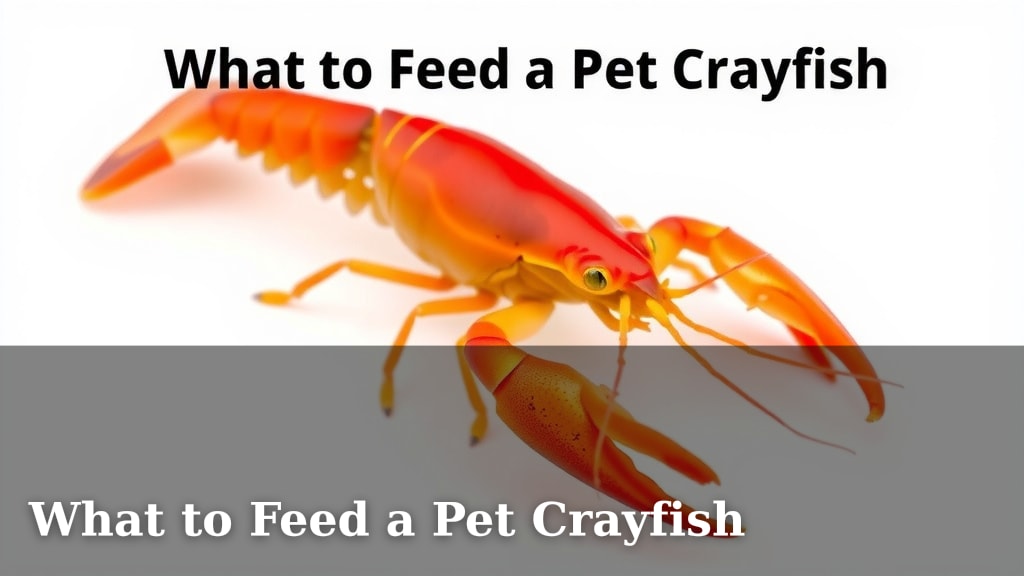
What to Feed a Pet Crayfish
Feeding your pet crayfish is pretty straightforward. You can offer them a balanced diet of specialized crayfish food, fresh vegetables, and small protein sources. Think of it as giving them a varied, nutritious buffet to keep them healthy and happy in their watery home.
Your crayfish are scavengers by nature. This means they’ll happily munch on a variety of things you offer. Providing the right foods ensures they get all the necessary vitamins and minerals. It also helps prevent health issues like shell problems or molting difficulties. We found that variety is key for their well-being.
- Feed a commercial crayfish pellet daily.
- Supplement with blanched vegetables like spinach or peas.
- Offer occasional protein like brine shrimp or bloodworms.
- Avoid feeding human processed foods or anything with high salt/spices.
- Remove uneaten food within a few hours.
Ready to learn more about keeping your little aquatic friends well-fed? Let’s dive into the details of exactly what to feed your pet crayfish to keep them thriving.
Feeding Your Aquatic Armored Friends
Keeping your crayfish happy and healthy is all about giving them the right food. Think of it as fueling their tiny, armored bodies for all their scavenging adventures. You’ll want to offer a balanced diet that mimics what they’d find in their natural habitat.
This means a mix of commercial foods, fresh veggies, and occasional protein boosts. We found that variety is super important for their overall well-being and molting success. A dull diet can lead to health problems down the line.
The Foundation: Specialized Crayfish Food
The easiest way to start is with a good quality commercial crayfish pellet. These are specifically formulated to give your pet all the nutrients they need. Many brands offer sinking pellets, which are perfect for crayfish since they are bottom dwellers.
Look for pellets that list fish meal or shrimp meal as a primary ingredient. This ensures they are getting a good source of protein. We recommend feeding these daily to provide a consistent base for their diet. You can typically find these at your local pet store or online aquarium supply shops.
Adding Greens: Fresh Vegetables Your Crayfish Will Love
While commercial pellets are great, they aren’t the only thing your crayfish should eat. Fresh vegetables add variety and extra vitamins. It’s like giving them a healthy salad bar!
Many common vegetables are safe and nutritious for crayfish. Some favorites include:
- Blanched Spinach: A fantastic source of calcium and iron. Just a quick dip in boiling water is usually enough.
- Peas: Offer them thawed and shelled. Peas are good for digestion.
- Carrots: Chop them into small pieces. They are rich in vitamins.
- Zucchini: Another great option, also best chopped small.
- Broccoli: Offer small florets.
Remember to blanch most vegetables. This means briefly boiling or steaming them. It softens them up, making them easier for your crayfish to eat. It also helps break down some of the tough fibers.
How to Prepare Veggies
Always wash vegetables thoroughly before preparing them. Then, cut them into small, bite-sized pieces. You don’t want them to be too big for your crayfish to handle. For blanched items, a quick boil for 1-2 minutes is usually sufficient. You want them tender, not mushy.
It’s a good idea to remove uneaten vegetables within a few hours. This prevents them from decaying and fouling up your tank water. Your crayfish aren’t exactly known for cleaning up their plates!
Protein Power-Ups: Occasional Treats
Crayfish are omnivores and enjoy a protein boost now and then. This is especially important for growing juveniles and during their molting cycles. It helps them build new shells and grow strong.
Here are some good protein sources you can offer occasionally:
- Brine Shrimp: You can buy these frozen or live. They are a nutritious treat.
- Bloodworms: Another common frozen treat that crayfish seem to enjoy.
- Mysis Shrimp: Similar to brine shrimp, these are good for protein.
- Small Pieces of Fish or Shrimp: If you’re preparing seafood for yourself, you can offer a tiny, plain piece. Make sure it’s cooked or very fresh and has no spices or salt.
We found that offering a protein source 1-2 times a week is usually enough. Too much protein can lead to digestive issues or excess waste in the tank. Moderation is key.
| Day | Primary Food | Secondary/Treat |
|---|---|---|
| Monday | Commercial Crayfish Pellets | None |
| Tuesday | Commercial Crayfish Pellets | Blanched Spinach |
| Wednesday | Commercial Crayfish Pellets | None |
| Thursday | Commercial Crayfish Pellets | A few Peas |
| Friday | Commercial Crayfish Pellets | Tiny piece of Brine Shrimp |
| Saturday | Commercial Crayfish Pellets | None |
| Sunday | Commercial Crayfish Pellets | Small piece of blanched Carrot |
What to Avoid: Foods That Can Harm Your Crayfish
Just as important as knowing what to feed is knowing what not to feed your crayfish. Some human foods can be downright dangerous for them.
Here’s a quick list of things to steer clear of:
- Human Processed Foods: Anything with added salt, spices, oils, or preservatives.
- Citrus Fruits: The acidity can be harmful to their delicate systems.
- Onions and Garlic: These can be toxic to aquatic life.
- Anything Moldy or Spoiled: Always feed fresh or properly stored food.
The general rule of thumb is if it’s heavily seasoned or processed for humans, it’s probably not good for your crayfish. When in doubt, leave it out.
Feeding Frequency and Amount
How often and how much you feed depends on the age and size of your crayfish. For most adult crayfish, a daily feeding of commercial pellets is a good routine. You can offer a pellet or two per crayfish, depending on their size.
For supplemental foods like vegetables or protein, offer only a small amount. Your crayfish should be able to eat it within an hour or two. If they leave a lot behind, you’re likely feeding too much.
We found that it’s best to feed a little less rather than too much. Uneaten food can quickly decompose and pollute the water. This can harm your crayfish and lead to algae blooms. It’s far easier to add a little more food than to clean up a messy tank.
The Importance of Removing Uneaten Food
This is a critical step many new owners overlook. Crayfish are scavengers, yes, but they aren’t always the most efficient eaters. They might nibble at something, then leave it to come back later.
However, if food sits too long, it will start to break down. This releases ammonia into the water. Ammonia is very toxic to crayfish and can cause serious health problems. Aim to remove any significant leftovers within 2-3 hours after feeding. A turkey baster or a small net can be handy for this.
Molting and Diet Considerations
Molting is a very demanding process for crayfish. They shed their old shell to grow a new, larger one. During this time, they are vulnerable and require specific nutrients.
Ensuring they have adequate calcium in their diet is crucial for shell development. Commercial pellets usually contain calcium. Adding blanched leafy greens like spinach also helps. Some aquarists even add a tiny piece of cuttlebone (the kind for birds) to the tank to provide extra calcium. Just make sure it’s plain and not flavored.
What to Do During Molting
When you notice your crayfish is preparing to molt (they might stop eating or become lethargic), it’s best to reduce feeding. They won’t be eating much anyway. Focus on maintaining excellent water quality during this sensitive period. Once they’ve successfully molted and hardened their new shell, you can gradually return to your normal feeding schedule.
Research suggests that a well-balanced diet throughout their life makes molting much smoother. It provides the building blocks for their new exoskeleton.
Your Crayfish Feeding Checklist
To keep things simple, here’s a quick checklist for your feeding routine:
- Feed commercial crayfish pellets daily.
- Offer blanched vegetables 2-3 times a week.
- Provide protein treats sparingly, once or twice weekly.
- Remove uneaten food within a few hours.
- Avoid human processed foods and anything salty or spicy.
- Ensure adequate calcium, especially for molting crayfish.
By following these guidelines, you’ll be well on your way to keeping your crayfish well-fed, healthy, and thriving in their aquatic home!
Conclusion
You’ve learned that feeding your crayfish is about offering a balanced and varied diet. A base of specialized crayfish pellets, supplemented with blanched vegetables and occasional protein treats, will keep them thriving. Remember to always remove uneaten food promptly to maintain water quality. By consistently providing the right foods and avoiding harmful items, you ensure your pet has a healthy life and successful molts. Now, you’re ready to confidently provide your crayfish with the best nutrition for their aquatic adventures!
Frequently Asked Questions
How much should I feed my crayfish?
For most adult crayfish, offer about one or two pellets daily, depending on their size. For supplemental foods like vegetables or protein, provide only a small amount they can finish within a couple of hours. It’s better to underfeed slightly than to overfeed.
Can I feed my crayfish leftover human food?
Generally, no. You should avoid most human processed foods because they can contain harmful salt, spices, and oils. Stick to plain, unsalted, and unspiced foods. When in doubt, it’s safest to leave it out.
What vegetables are safe for crayfish?
Safe vegetables include blanched spinach, peas, carrots, zucchini, and broccoli. Always wash them thoroughly and cut them into small, manageable pieces. Blanching helps soften them for easier eating and digestion.
How often should I give my crayfish protein treats?
Offer protein sources like brine shrimp or bloodworms only once or twice a week. This provides a good boost, especially for growing crayfish or during molting. Too much protein can lead to digestive issues and dirty water.
What should I do if my crayfish stops eating?
A sudden loss of appetite can indicate a health issue or that the crayfish is preparing to molt. During molting, they naturally eat less and are vulnerable. Focus on maintaining pristine water quality during this time, and they should resume eating once their new shell hardens.