What Can I Feed My Pet Praying Mantis? Diet
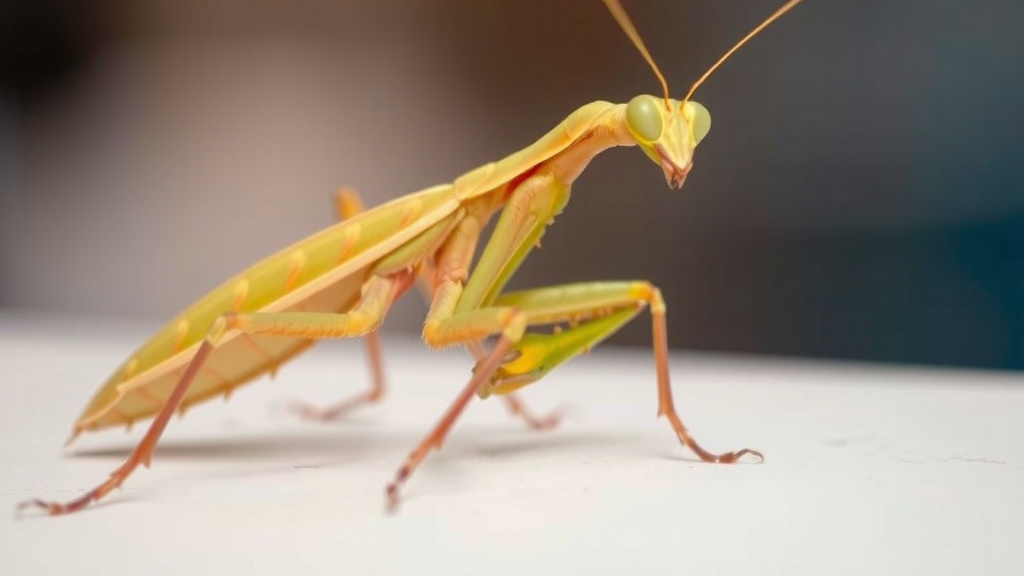
So, you’re wondering what your pet praying mantis eats? You can feed your pet praying mantis a diet of live insects, like fruit flies for younger nymphs and larger prey such as crickets or roaches for adults. A varied diet is key to keeping your mantis healthy and happy.
Praying mantises are strict carnivores and need live prey to trigger their hunting instincts. Their diet changes as they grow, so knowing what to offer at each stage is important. We found that providing the right food helps them molt successfully and reach their full potential size.
- Feed young mantises (nymphs) small prey like fruit flies.
- Adult mantises need larger insects like crickets or roaches.
- Always offer live prey; mantises won’t eat dead food.
- Ensure the prey insects are appropriately sized for your mantis.
- Avoid feeding prey that could harm your mantis.
Let’s walk through exactly what insects make the best meals for your fascinating mantis friend.
Feeding Your Pet Mantis: A Guide to Their Diet
Choosing the right food for your pet praying mantis is super important. It helps them grow strong and healthy. Think of it like picking the perfect ingredients for your own meals. What you feed them directly impacts their well-being.
Understanding a Mantis’s Dietary Needs
Praying mantises are carnivores through and through. They hunt and eat other insects. This means they need live prey to thrive. They won’t eat food that’s already dead, no matter how tempting it might look to you. Their hunting instinct is a big part of their life!
Why Live Prey is Non-Negotiable
Live insects trigger their natural predatory behavior. This is essential for their mental and physical stimulation. Watching your mantis hunt is one of the coolest parts of owning one. It’s a fascinating display of nature’s design.
The Importance of a Varied Diet
Just like us, mantises do best with a varied diet. Offering different types of insects provides a broader range of nutrients. This variety is key to ensuring they get everything they need to flourish. It helps prevent deficiencies and keeps them interested in their meals.
What to Feed Your Mantis at Different Life Stages
A mantis’s diet changes as it grows, just like your needs change as you age. You wouldn’t feed a baby the same food you eat, right? The same applies to your mantis. Understanding these stages helps you provide the perfect meal.
Nymphs: The Tiny Eaters
Baby mantises, called nymphs, are very small. They need equally small food to start. Feeding them the right size is critical for their survival and growth. Too large a meal can be impossible for them to handle.
- Fruit Flies (Drosophila): These are the go-to food for very young nymphs. They are small enough for them to manage. You can often find these at specialty pet stores or online.
- Pinhead Crickets: Once they get a little bigger, tiny crickets can be introduced. These are crickets that have just hatched.
- Springtails: Another excellent option for the smallest nymphs. They are tiny, harmless arthropods.
Sub-Adult and Adult Mantises: Growing Appetites
As your mantis grows, its appetite increases. So does the size of the insects it can handle. You’ll need to upgrade their food sources accordingly.
Appropriate Prey Sizes
A general rule is that the prey should be no longer than the mantis’s body, excluding its legs. For adult mantises, this means larger insects. This ensures they can catch and consume their meals effectively. Feeding prey that’s too large can be dangerous for your mantis.
Common Food Items for Larger Mantises
Once your mantis is larger, you can offer a wider variety of insects.
- Crickets: These are a staple for many mantis keepers. House crickets and other common species are good choices. Ensure they are appropriately sized.
- Roaches: Various species of feeder roaches are excellent. Dubia roaches and discoid roaches are popular and nutritious. They are often readily available.
- Mealworms and Waxworms: These can be offered as occasional treats. They are higher in fat, so they shouldn’t be the primary food source.
- Flies: Larger flies, like bluebottle or house flies, can also be fed to adult mantises.
Introducing New Foods and Prey Management
When introducing new prey, observe your mantis. Ensure it is accepted and handled well. It’s also crucial to source your feeder insects from a reliable supplier. This helps ensure the insects are healthy and free from parasites or pesticides.
Gut-Loading Feeder Insects
Many keepers “gut-load” their feeder insects. This means feeding the insects nutritious food before offering them to your mantis. You can feed the feeder insects fruits, vegetables, and specialized gut-load formulas. This passes those nutrients on to your mantis. Many experts recommend this practice (University of Kentucky Extension).
Avoiding Harmful Prey
Not all insects are safe for your mantis. Wild-caught insects can carry pesticides or diseases. It’s best to stick with commercially raised feeder insects. Also, avoid prey that is too large or too aggressive. A large beetle, for instance, could injure your mantis during feeding.
| Mantis Stage | Recommended Prey | Notes |
|---|---|---|
| First Instar Nymph | Fruit Flies, Springtails | Extremely small prey needed. |
| Second/Third Instar Nymph | Pinhead Crickets, Small Fruit Flies | Slightly larger prey can be introduced. |
| Sub-Adult | Small to Medium Crickets, Small Roaches | Appetite increases, prey size grows. |
| Adult | Medium to Large Crickets, Roaches, Larger Flies | Can handle a wider variety of larger insects. |
Key Takeaways for a Healthy Mantis Diet
Keeping your mantis well-fed is a rewarding part of keeping one as a pet. Remember these important points:
- Always offer live insects; mantises are hunters.
- Match prey size to your mantis’s current size.
- Provide a varied diet for balanced nutrition.
- Source feeder insects from reputable suppliers.
- Gut-load feeder insects for added nutritional benefits.
- Observe your mantis to ensure it’s eating and healthy.
Conclusion
You’ve learned that feeding your pet praying mantis a diet of live insects is essential for its health and happiness. Remember to tailor the prey size to your mantis’s life stage, from tiny fruit flies for nymphs to larger crickets and roaches for adults. Offering a varied diet and gut-loading your feeder insects will ensure your fascinating predator gets all the nutrients it needs to thrive. The next step is to find a reliable supplier for your feeder insects and set up a routine for feeding and observing your mantis.
Frequently Asked Questions
How often should I feed my pet praying mantis?
For young nymphs, daily feeding is usually recommended, while adult mantises might only need to be fed every 2-4 days. Always observe your mantis; it will usually beg for food by swaying or looking towards you when it’s hungry.
Can I feed my mantis dead insects?
No, praying mantises need live prey to trigger their hunting instincts. They will not typically eat dead insects, as they rely on movement to locate their food. Stick to live feeders to keep your mantis healthy and stimulated.
What should I do if my mantis doesn’t eat a certain type of insect?
If your mantis rejects a specific prey item, don’t worry. You can simply try offering a different type of insect that it’s more accustomed to. Variety is good, but forcing a new food isn’t necessary; simply revert to its preferred meals.
Are there any common feeder insects I should avoid?
You should avoid feeding your mantis wild-caught insects, as they can carry pesticides or diseases. Also, steer clear of prey that is too large or aggressive, such as some types of beetles, which could potentially harm your mantis.
How do I know if the feeder insects are healthy?
Source your feeder insects from reputable pet stores or online suppliers who specialize in live feeders. These insects are typically raised in clean conditions and are free from harmful parasites or chemicals, ensuring a safer meal for your mantis.