What to Feed a Pet Bird
Feeding your pet bird the right food is essential for their health and longevity. A balanced diet for most pet birds includes a variety of pelleted foods, fresh fruits, and vegetables. Avoiding certain human foods is also critical for their safety and well-being.
Understanding bird nutrition goes beyond just picking a bag of seeds. We found that many owners are unaware of the specific dietary needs of different bird species. Providing a diverse diet can prevent common health issues and lead to a happier, more vibrant pet.
- Focus on high-quality pellets.
- Offer a variety of fresh vegetables and fruits daily.
- Limit seeds and sugary treats.
- Always research your specific bird’s dietary needs.
- Avoid toxic human foods.
Let’s walk through exactly what your feathered friend should be eating to thrive.
Nourishing Your Feathered Friend: A Bird Diet Guide
So, you’re wondering what to feed your pet bird? It’s a common question, and rightly so! Your bird’s diet is foundational to their health and happiness.
The Foundation: High-Quality Pellets
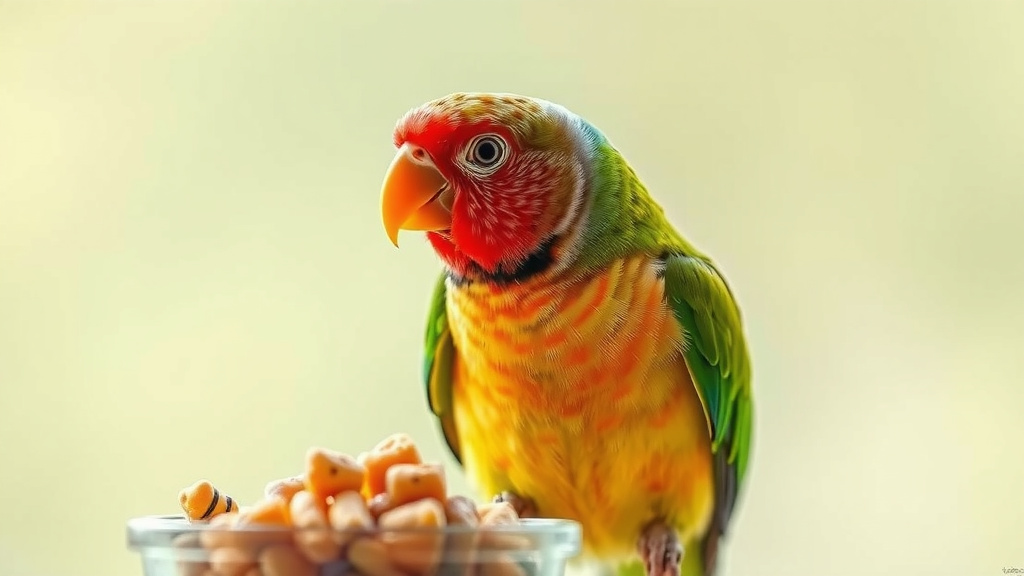
Forget the image of birds only eating seeds. For most pet birds, a high-quality pellet should form the base of their diet. Think of it as their daily vitamin-packed multivitamin. Seeds are often too fatty and lack essential nutrients.
Why Pellets Over Seeds?
We found that many seed-only diets lead to nutritional deficiencies. This can cause a range of health problems, from feather issues to organ damage. Pellets are formulated to provide a balanced mix of vitamins, minerals, and proteins your bird needs.
Many avian veterinarians recommend pellets as the primary food source. They help prevent selective eating, where birds pick out their favorite (often unhealthy) bits. Research indicates that a pelleted diet supports better feather quality and overall vitality (House-Pet.com).
Choosing the Right Pellets
Not all pellets are created equal. Look for brands that are recommended by avian vets. They should have a good protein content, but not be excessively high. Avoid pellets with artificial colors and flavors, as these can be detrimental.
The Vibrant Additions: Fresh Fruits and Vegetables
Now, let’s talk about the fun stuff! Your bird will absolutely love a colorful assortment of fresh fruits and vegetables. These provide essential vitamins, minerals, and fiber. They also add much-needed moisture to your bird’s diet.
Leafy Greens Galore
Dark, leafy greens should be a staple. Think spinach, kale, romaine lettuce, and swiss chard. These are packed with vitamins A, C, and K. Just be mindful of spinach and kale in moderation due to their high oxalates. Offer them as part of a varied mix.
Colorful Veggies and Fruits
Carrots, broccoli, bell peppers (all colors!), sweet potatoes, and peas are excellent choices. For fruits, offer berries, apples (seeds removed!), melons, and oranges. Always wash produce thoroughly. Remove any uneaten portions after a few hours to prevent spoilage.
We found that introducing new foods can be a gradual process. Some birds are pickier than others. Try chopping them into different sizes or mixing them with a small amount of their favorite pellet.
What to Avoid (The “No-No” List)
Just like us, birds can’t eat everything we do. Certain human foods are downright dangerous. This includes avocado, chocolate, onions, garlic, and anything with high salt or sugar content. These can be toxic and even fatal to your bird.
Alcohol and caffeine are also absolute no-gos. They can have severe, rapid effects on a bird’s delicate system. When in doubt, leave it out.
Occasional Treats: Seeds and Grains
While not the main course, a few seeds and grains can be given as occasional treats. A small amount of millet spray or a few sunflower seeds can be a good training reward. However, these should never make up a large portion of the diet. They are high in fat and low in essential nutrients.
Understanding Bird Species Needs
It’s important to remember that different bird species have slightly different dietary needs. A parrotlet’s requirements may differ from a cockatiel’s or a finch’s. Always research the specific needs of your particular bird species.
For example, some finches and canaries may benefit from a higher proportion of seeds in their diet, but still require pellets and fresh foods for balance. Consult with an avian veterinarian or a reputable bird resource to confirm the best diet for your specific companion.
| Food Type | Percentage of Diet | Notes |
|---|---|---|
| High-Quality Pellets | 60-75% | The daily staple. |
| Fresh Vegetables | 20-30% | Dark leafy greens and colorful veggies. |
| Fresh Fruits | 5-10% | Offer in moderation due to sugar content. |
| Seeds/Grains/Treats | < 5% | Occasional rewards only. |
Water: The Essential Element
Don’t forget fresh, clean water! Birds need constant access to water for drinking and sometimes bathing. Change their water daily, or more often if it gets soiled. A clean water source is just as critical as a balanced diet for keeping your bird hydrated and healthy.
Your Bird’s Diet Checklist
Here’s a quick rundown to help you keep your bird’s diet on track:
- Always have fresh, clean water available.
- Base their diet on high-quality, species-appropriate pellets.
- Offer a variety of chopped fresh vegetables daily.
- Include a small portion of fresh fruit a few times a week.
- Limit seeds and high-fat treats significantly.
- Never feed toxic human foods like avocado or chocolate.
Conclusion
You’ve learned that a bird’s diet is key to their vitality. Focusing on high-quality pellets provides a solid nutritional base. Adding a variety of fresh fruits and vegetables offers essential vitamins and moisture. Remember to limit fatty seeds and absolutely avoid toxic human foods like chocolate or avocado. By understanding your specific bird’s needs and making these dietary adjustments, you’re setting them up for a long, healthy, and happy life. Your next step is to review your current bird food and gradually introduce these recommended foods, observing your bird’s preferences and health closely.
Frequently Asked Questions
How often should I feed my pet bird?
Most pet birds do best with fresh food available throughout the day. You can offer their main pelleted diet in the morning and evening. Remove uneaten fresh foods after a few hours to maintain freshness and prevent spoilage.
Can my bird eat the same fruits and vegetables as me?
Many of the same fruits and vegetables are safe for your bird, but always wash them thoroughly. Ensure you remove seeds from fruits like apples and always check if a specific food is safe for birds before offering it.
What are the signs of a poorly nourished bird?
Signs of poor nutrition can include dull or poor feather quality, lethargy, changes in droppings, or increased susceptibility to illness. A vibrant, active bird with bright feathers is usually a good indicator of a healthy diet.
How do I transition my bird to a healthier diet?
Transitioning can take time and patience. Start by mixing a small amount of pellets with their current food and gradually increase the pellet ratio. You can also try offering new fresh foods in different ways.
Is it okay to give my bird seeds as a treat?
Yes, seeds can be given as occasional treats in very small quantities. They are high in fat and lack balanced nutrition, so they should never form the bulk of your bird’s diet. Think of them as a reward, not a meal.