What Should You Feed a Pet Turtle?
Feeding your pet turtle the right diet is key to their health and longevity. A balanced turtle diet typically consists of a mix of commercial turtle pellets, leafy greens, and occasional protein sources. The exact needs vary by species, so knowing your turtle’s specific requirements is essential for their well-being.
We’ve found that many pet owners worry about providing the best nutrition. It’s more than just tossing in some lettuce; it involves understanding nutritional balance and avoiding harmful foods. Many experts agree that a varied diet helps prevent common turtle health issues, ensuring your shelled friend thrives for years to come.
- Commercial pellets are a good base food.
- Leafy greens provide essential vitamins and minerals.
- Protein sources should be given sparingly.
- Always research your specific turtle species’ needs.
- Avoid foods that can cause health problems.
Below, we’ll break down exactly what you should feed your pet turtle, covering popular species and foods to avoid. Let’s make sure your turtle is getting the best possible meals!
Feeding Your Pet Turtle: A Nutritional Guide
Giving your turtle a balanced diet is essential for a long and healthy life. We’ve found that understanding their specific dietary needs is the first step to keeping your shelled friend happy and thriving.
The Foundation: Commercial Turtle Pellets
For many pet turtle owners, commercial turtle pellets are the go-to food. They are designed to provide a complete and balanced mix of nutrients. Think of them as your turtle’s daily multivitamin. Many experts recommend using high-quality pellets specifically formulated for your turtle’s species. This ensures they get the right blend of proteins, vitamins, and minerals needed for growth and shell health.
When choosing pellets, look for brands that are reputable and list specific ingredients. We found that brands offering different pellet sizes can be helpful as your turtle grows. It’s important to remember that pellets should be a staple, not the *entire* diet. Variety is key for optimal turtle nutrition.
Adding Greens: The Importance of Leafy Vegetables
Leafy greens are a fantastic addition to your turtle’s diet. They offer essential vitamins, minerals, and fiber. We found that different species have different preferences, but generally, darker, leafier greens are best. Think of it like serving your turtle a healthy salad!
Best Greens for Your Turtle
Some of the best options include:
- Collard greens
- Dandelion greens
- Mustard greens
- Turnip greens
- Romaine lettuce (in moderation)
It’s always a good idea to wash greens thoroughly before serving. We also found that rotating the types of greens you offer keeps things interesting for your turtle and ensures they get a wider range of nutrients. Avoid iceberg lettuce, as it has very little nutritional value and is mostly water.
Protein Power: Occasional Treats for Your Turtle
Most turtles, especially aquatic species, require a protein source in their diet. However, too much protein can be harmful. It can lead to shell deformities and kidney issues. So, protein should be given as an occasional treat, not a daily meal.
Good Protein Sources
We found that these are generally safe and healthy options in moderation:
- Earthworms
- Crickets
- Mealworms (feed sparingly due to their fat content)
- Small feeder fish (like guppies or minnows, feed sparingly and ensure they are disease-free)
- Cooked, unseasoned lean meats (very rarely, like small pieces of chicken)
Remember, the size of the protein treat should be no larger than your turtle’s head. This prevents choking hazards. Overfeeding protein is a common mistake, so be mindful of how often you offer these items. Many veterinary sources suggest limiting these to once or twice a week.
Specific Needs for Popular Turtle Species
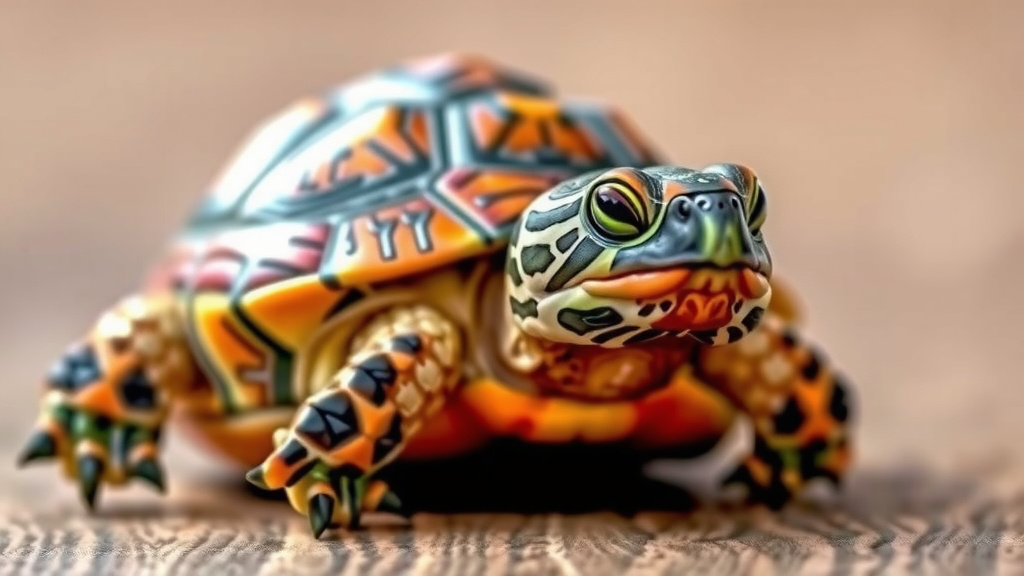
Different types of turtles have different dietary needs. What’s good for a water turtle might not be right for a box turtle. Understanding your specific species is super important.
Red-Eared Sliders
These popular aquatic turtles are omnivores. They eat a mix of plant matter and animal protein. For young sliders, a higher protein diet is needed for growth. As they mature, you’ll want to increase the leafy greens and decrease the protein. Commercial pellets should make up about 50% of their diet, with greens and occasional protein filling the rest.
Box Turtles
Box turtles are primarily terrestrial and are omnivores with a strong preference for fruits and vegetables. We found that their diet should be about 50% vegetables, 25% fruits, and 25% protein. Good options include berries, melon, earthworms, slugs, and some commercial box turtle foods.
Tortoises
While often kept as pets, tortoises are reptiles, not turtles, and have very different dietary needs. Most tortoise species are herbivores. They need a diet high in fiber and calcium, low in protein and oxalates. Their main food should be grasses, weeds, and a variety of leafy greens like kale, dandelion greens, and hibiscus leaves. Commercial tortoise diets are also available and can be a good supplement (USDA).
Foods to Absolutely Avoid
Some foods can be harmful or even toxic to your turtle. It’s better to be safe than sorry! We found that avoiding certain items can prevent serious health problems down the road.
Here’s a list of foods you should never feed your pet turtle:
- Avocado (toxic to many reptiles)
- Onions and garlic (can damage red blood cells)
- Dairy products (turtles are lactose intolerant)
- Processed human foods (high in salt, sugar, and unhealthy fats)
- Canned foods (unless specifically for turtles, usually too high in sodium)
- Citrus fruits (can upset their digestive system due to high acidity)
- Spinach and Swiss chard (feed very sparingly due to high oxalate content which can interfere with calcium absorption)
When in doubt, it’s always best to err on the side of caution. Stick to known safe foods or consult with a reptile veterinarian. They can provide the most accurate advice for your specific pet.
Hydration is Key!
Don’t forget that fresh, clean water is vital for all turtles, especially aquatic and semi-aquatic species. They need it for drinking, swimming, and sometimes even eating. For land turtles, a shallow water dish is necessary for drinking and occasional soaking.
We found that changing the water daily for aquatic turtles is ideal. This prevents bacteria buildup and keeps their environment clean. For terrestrial turtles, ensure the water dish is shallow enough so they can easily climb out and won’t drown.
Your Turtle’s Diet Checklist
To ensure you’re on the right track, use this quick checklist:
- Do you use a high-quality commercial pellet as a base?
- Are you offering a variety of dark, leafy greens regularly?
- Are protein sources given only as occasional treats?
- Have you researched the specific dietary needs of your turtle species?
- Are you avoiding known toxic or harmful foods?
- Is fresh, clean water always available?
By following these guidelines, you’re well on your way to providing your pet turtle with a nutritious and enjoyable diet. Remember, consistency and observation are your best tools. Your turtle will thank you with a long, happy life!
Conclusion
You’ve learned a lot about keeping your pet turtle healthy through proper feeding! Remember, a good diet is a balanced mix of commercial pellets, fresh leafy greens, and occasional protein treats. Always prioritize your turtle species’ specific needs. Avoid feeding them harmful human foods and always ensure they have access to clean water. Your consistent care and attention to their diet will lead to a happy, thriving shelled companion. Your next step is to confirm your turtle’s species and then stock up on the appropriate foods!
Frequently Asked Questions
How often should I feed my pet turtle?
Most adult turtles can be fed daily or every other day. Younger turtles, especially those still growing, may benefit from being fed daily. It’s best to research your specific turtle species’ recommendations for feeding frequency to avoid over or underfeeding.
Can I feed my turtle cat or dog food?
You should avoid feeding your turtle cat or dog food. These commercial pet foods are not formulated with the specific nutritional needs of reptiles in mind. They can be too high in protein and fat, and may lack essential vitamins and minerals your turtle requires.
What is the best way to introduce new foods to my turtle?
Introduce new foods slowly and in small amounts. Offer a new item alongside a food you know your turtle likes. Observe your turtle to see if they eat it. If they accept it, you can gradually increase the amount and frequency of the new food.
How do I know if my turtle is getting enough calcium?
Signs of calcium deficiency can include soft or deformed shells and lethargy. Providing a varied diet rich in leafy greens known to be high in calcium (like collard greens) and ensuring your turtle has access to a cuttlebone can help. Some species may also benefit from a calcium supplement dusted on their food, but always consult your vet first.
Is it okay to feed my turtle wild-caught insects?
Feeding wild-caught insects can be risky because they may have come into contact with pesticides or carry parasites and diseases. If you choose to feed wild insects, it’s best to be certain they haven’t been exposed to any harmful chemicals and raise them yourself in a controlled environment.