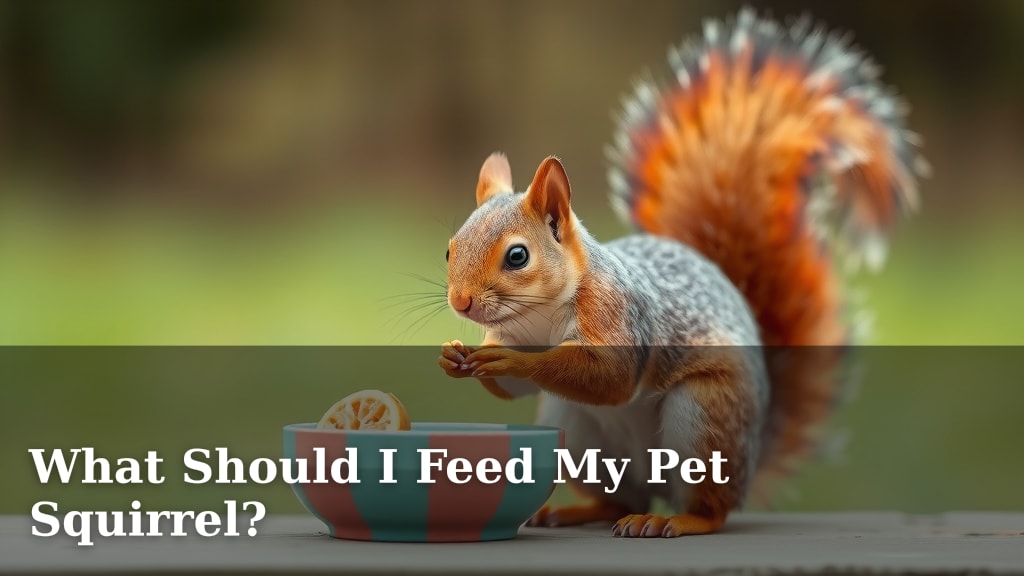
What Should I Feed My Pet Squirrel?
Feeding a pet squirrel means offering a diet that mimics their natural food sources. You should primarily feed them nuts, seeds, and fresh fruits and vegetables. Avoid processed foods, sugary treats, and anything that could be toxic. A balanced diet is key to their health and happiness.
While squirrels are often seen raiding bird feeders, their dietary needs in captivity are more specific. Research and found that a varied diet prevents nutritional deficiencies. It’s important to offer a good mix to ensure they get all the necessary vitamins and minerals. Think of yourself as their personal chef!
- Focus on nuts (unsalted, in moderation).
- Offer fresh greens and veggies daily.
- Include a variety of fruits as treats.
- Always provide fresh water.
- Avoid junk food and toxic items.
Let’s walk through exactly what makes a healthy meal plan for your little bushy-tailed friend.
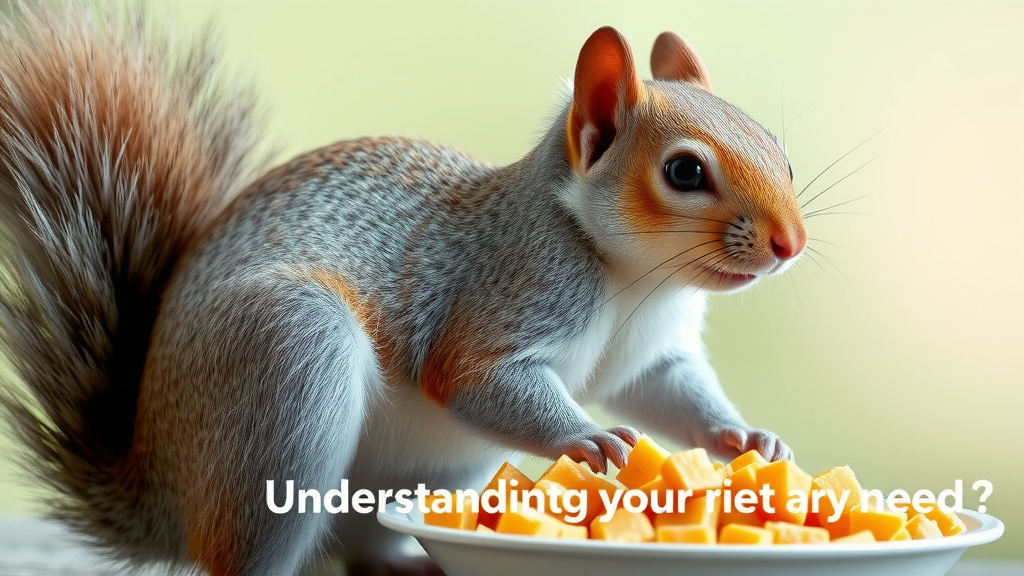
“`htmlUnderstanding Your Pet Squirrel’s Dietary Needs
So, you’ve got a pet squirrel, and you’re wondering what exactly goes into their tiny tummies? It’s more than just acorns and dropped pizza crusts! Offering the right food is your biggest responsibility as a squirrel owner. We want them to be healthy and happy, right?
Think of it like this: you wouldn’t feed a baby bird a whole loaf of bread. Squirrels have specific nutritional requirements that mimic what they’d find in the wild, but with a focus on safety and balance. Research and found that a varied diet prevents nutritional deficiencies. This means offering a mix of foods to ensure they get all the vitamins and minerals they need.
The Foundation: Nuts and Seeds
Nuts are the superstars of a squirrel’s diet, but not just any nuts! It’s important to offer them in moderation. Too many nuts can lead to obesity or other health issues due to their high fat content. Always choose unsalted and unroasted varieties.
Best Nut Choices
Walnuts, pecans, hazelnuts, and almonds are good options. Think of them as the gourmet snacks. Remember to vary the types you offer. This keeps their meals interesting and provides a broader range of nutrients.
Seeds in Moderation
Sunflower seeds, pumpkin seeds, and flaxseeds are also welcome. However, like nuts, they should be given as treats rather than a main food source. Many guidelines point to a balanced approach for seed intake (NCBI).
The Importance of Fresh Produce: Fruits and Vegetables
This is where you can really shine as a squirrel chef! Fresh fruits and vegetables should make up a substantial portion of their daily meals. They provide essential vitamins, minerals, and fiber. Aim for a variety of colors and types.
Leafy Greens Galore
Dark, leafy greens are excellent. Think romaine lettuce, spinach, kale, and dandelion greens. These are packed with good stuff. Offer these daily. They are like the squirrel equivalent of a multivitamin.
Delicious Veggie Options
Bell peppers (all colors), broccoli, carrots, green beans, and zucchini are also great choices. Avoid starchy vegetables like potatoes or corn regularly, as they can be too high in sugar and starch for their delicate systems. We found that a consistent offering of a wide range of veggies is best.
Fruity Treats
Fruits should be given sparingly due to their sugar content. Berries like blueberries, raspberries, and strawberries are fantastic. Small pieces of apple (seeds removed, of course!) or banana can also be offered as occasional treats. Think of these as the desserts – not an everyday main course.
Essential Protein Sources
While squirrels are often thought of as nut-eaters, they do need a source of protein. This is especially true for young or nursing squirrels. A small amount of cooked, unseasoned chicken or turkey can be offered. Hard-boiled eggs are also a good option in moderation. Many experts suggest lean protein sources to avoid unhealthy fats.
The All-Important Water Supply
Never underestimate the power of fresh, clean water. Squirrels need constant access to it. A heavy ceramic bowl is ideal, as it’s less likely to be tipped over. Make sure to clean and refill it daily. Dehydration can lead to serious health problems very quickly.
What to Absolutely Avoid
This is just as important as knowing what to feed them. There are many human foods that are perfectly fine for us but are toxic or harmful to squirrels. It’s easy to want to share your snacks, but resist the urge!
Junk Food is a No-Go
Processed foods, bread, crackers, cereal, and sugary treats are a big no-no. These offer little nutritional value and can cause severe digestive upset or long-term health issues like diabetes. We found that avoiding processed items is key for their well-being.
Toxic Foods List
Certain common foods are poisonous to squirrels. These include avocados, onions, garlic, chocolate, caffeine, and anything with xylitol. Even small amounts can be dangerous. If you’re ever unsure about a food, it’s best to err on the side of caution and not offer it.
Dairy and Certain Meats
Squirrels are generally lactose intolerant, so dairy products should be avoided. Also, avoid feeding them raw meat or fish, as it can contain harmful bacteria. Stick to cooked, lean meats if you choose to offer protein.
Creating a Balanced Meal Plan: A Daily Checklist
Putting it all together can feel like a puzzle, but it’s manageable! Here’s a simple checklist to help you structure their daily meals:
- Offer a small portion of unsalted nuts daily (variety is key).
- Provide a generous serving of fresh leafy greens and other veggies.
- Include a tiny piece of fruit as a treat 2-3 times a week.
- Ensure constant access to fresh, clean water.
- Add a small protein source a couple of times a week (optional, depending on age/needs).
- Always double-check if a new food is safe before offering it.
Sample Squirrel Diet Table
To help visualize a balanced diet, here’s a general guideline. Remember, portions will vary based on your squirrel’s age, size, and activity level.
| Food Group | Frequency | Portion Example | Notes |
|---|---|---|---|
| Leafy Greens | Daily | A handful | Romaine, spinach, kale |
| Other Vegetables | Daily | 1-2 small pieces | Broccoli, carrots, bell peppers |
| Unsalted Nuts | Daily | 2-3 small nuts | Walnuts, pecans, almonds |
| Fruits | 2-3 times/week | 1 tiny piece | Blueberries, small apple slice (no seeds) |
| Protein | 1-2 times/week | Tiny bit | Cooked chicken/egg |
| Water | Always Available | Full bowl | Fresh and clean |
Many sources confirm that consistent variety and avoiding harmful foods are the most important factors in keeping your pet squirrel healthy and thriving (CDC).
“`
Conclusion
You’ve learned a lot about keeping your pet squirrel happy and healthy through their diet! Remember, a balanced approach is key. Focus on a foundation of fresh greens, a variety of vegetables, and a moderate amount of unsalted nuts. Fresh water should always be available. By avoiding processed junk food and toxic items, you’re setting your little friend up for a long, vibrant life. Your commitment to their nutrition is the most loving thing you can do. So, go forth and be the best squirrel chef you can be for your furry companion!
Frequently Asked Questions
How much should I feed my pet squirrel each day?
The exact amount will depend on your squirrel’s age, size, and activity level. Generally, focus on providing a generous portion of leafy greens and vegetables daily, with a few nuts and occasional fruit treats. It’s better to offer smaller, frequent meals rather than one large one to mimic natural foraging behavior.
Can I give my pet squirrel commercial squirrel food?
While some commercial foods might seem convenient, many are not nutritionally balanced for pet squirrels. It’s often best to create your own diet from fresh ingredients, as research shows this helps prevent specific nutritional deficiencies. If you do consider a commercial option, scrutinize the ingredients and consult with a veterinarian.
Are there any common household plants that are safe for squirrels to eat?
Some common plants, like dandelion greens, are safe and beneficial. However, many household plants can be toxic to squirrels. Always research a plant thoroughly before offering it, and when in doubt, it’s safest to stick to known, safe vegetables and fruits.
How can I encourage my squirrel to drink enough water?
Ensure a clean, fresh water source is always accessible in a sturdy bowl they can’t easily tip over. You might find that some squirrels prefer running water, so a pet water fountain could be an option. Regularly cleaning and refilling the bowl is essential to keep it appealing.
What are the signs of a poorly fed pet squirrel?
Signs of a poor diet can include weight loss or obesity, dull fur, lethargy, dental problems, or digestive issues like diarrhea. If you notice any of these symptoms, it’s a strong indicator that you need to reassess their diet and consult with a veterinarian experienced with exotic pets.