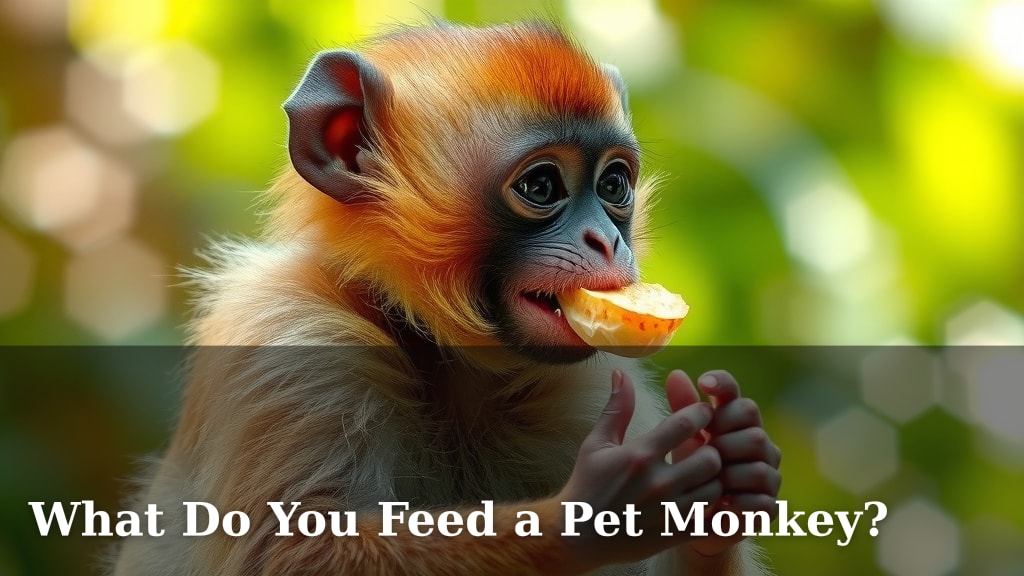
What Do You Feed a Pet Monkey?
Feeding a pet monkey is a serious responsibility that requires a diet mimicking their natural food sources as closely as possible. You’ll need to offer a mix of fresh fruits, vegetables, and specialized primate chow to ensure they get the right nutrients. It’s crucial to avoid feeding them foods that are toxic or unhealthy for their specific species.
Many pet owners find that providing a varied diet prevents boredom and helps maintain your monkey’s health. Research and expert recommendations emphasize that a monkey’s dietary needs change as they grow. Understanding these differences is key to providing optimal nutrition for your unique pet, ensuring their long-term well-being and happiness.
- Primates need a varied diet.
- Fresh fruits and veggies are essential.
- Specialized primate food is often required.
- Always research your monkey’s species.
- Avoid toxic or unhealthy human foods.
Below, we break down exactly what you should be feeding your pet monkey to keep them healthy and thriving.
What to Feed Your Pet Monkey: A Dietary Overview
Deciding what to feed your pet monkey is one of your biggest responsibilities. You want to ensure they get the right balance of nutrients. This often means mimicking what they’d eat in the wild as much as possible. A healthy monkey diet is a varied one. It’s not just about tossing them some fruit.
Understanding Your Monkey’s Nutritional Needs
Different monkey species have different dietary requirements. A New World monkey like a capuchin eats differently than an Old World monkey like a macaque. It’s essential to research your specific pet’s species. This research will guide your food choices. Many experts recommend consulting with a veterinarian specializing in exotic animals. They can provide tailored advice for your monkey’s age, activity level, and health status.
The Importance of Species-Specific Research
You wouldn’t feed a cat dog food, right? The same logic applies to monkeys. For instance, some monkeys are primarily frugivores (fruit-eaters). Others are more omnivorous, eating insects and leaves. A diet not suited for their species can lead to serious health problems. These can include nutritional deficiencies or digestive issues. Always make sure your feeding plan aligns with their natural habits.
Core Components of a Pet Monkey’s Diet
A monkey’s diet typically includes several key food groups. Think of it like building a balanced meal for yourself. You need different things for energy, vitamins, and minerals. The base of their diet should be a high-quality primate chow. This is specially formulated to meet their needs. It provides essential vitamins and minerals that are hard to get from fresh foods alone.
Specialized Primate Chow
We found that commercially available primate chow is a veterinarian-recommended staple. It’s designed to offer a consistent nutritional profile. This helps prevent imbalances. Look for chow specifically made for the type of monkey you own. Not all primate chows are created equal. Read labels carefully. Ensure it has a good balance of protein, fats, and carbohydrates.
Fresh Fruits and Vegetables
Fruits and vegetables are a vital part of your monkey’s diet. They offer vitamins, minerals, and fiber. Offer a wide variety to keep things interesting. Some good choices include leafy greens, berries, apples, and bananas. Always wash fruits and vegetables thoroughly. Remove any seeds or pits that could be a choking hazard. Avoid overfeeding high-sugar fruits. Too much sugar can lead to health problems.
Protein Sources
Many monkey species need supplemental protein. This can come from sources like cooked lean meats (chicken, turkey), eggs, or certain insects. If your monkey is insectivorous, you can offer gut-loaded crickets or mealworms. Always ensure any meat is fully cooked and unseasoned. Raw meat can carry harmful bacteria. Consult your vet about appropriate protein amounts and types.
Foods to Avoid: The Danger Zone
Just as important as what you feed your monkey is what you *don’t* feed them. Many common human foods are toxic to primates. These can cause severe illness or even death. You must be vigilant about what’s accessible to your pet.
Common Toxic Foods
Onions, garlic, and avocados are definite no-gos. Chocolate is also highly toxic. Many nuts are too fatty and can cause digestive upset. Salty snacks, processed foods, and sugary treats should be avoided completely. Even some fruits and vegetables that are fine for humans can be harmful to monkeys. For example, the leaves and stems of many plants contain toxins.
The Danger of Human Processed Foods
Processed foods are loaded with salt, sugar, and unhealthy fats. Your monkey’s digestive system isn’t designed for these. Feeding them human junk food is a fast track to obesity and related health issues. Think of it like giving a toddler candy all day. It’s simply not good for their developing bodies. Always stick to natural, species-appropriate options.
Creating a Feeding Schedule and Routine
Consistency is key when feeding your pet monkey. Establishing a regular feeding schedule can help. It aids digestion and can prevent stress. Most pet monkeys do well with two main meals per day. You can offer smaller supplements or treats between meals if needed. This routine helps them feel secure. It also helps you monitor their eating habits.
Portion Control and Monitoring
It’s easy to overfeed a cute, begging monkey. However, obesity is a serious health risk for them. Work with your vet to determine appropriate portion sizes. Monitor your monkey’s weight regularly. Watch for signs of overeating or undereating. Changes in appetite can signal health problems. They often eat what’s offered, so you must be responsible.
Hydration: Don’t Forget the Water!
Clean, fresh water should always be available. Monkeys drink water regularly throughout the day. Ensure their water dish or sipper bottle is cleaned daily. This prevents the buildup of bacteria. Water is essential for all bodily functions. It helps with digestion, temperature regulation, and nutrient transport.
A Sample Feeding Checklist
Here’s a quick checklist to help you plan your monkey’s meals:
- High-quality primate chow daily.
- A variety of washed fresh fruits (in moderation).
- A selection of washed fresh vegetables and leafy greens.
- Appropriate protein source a few times a week.
- Always fresh, clean water available.
- Strict avoidance of toxic human foods.
Conclusion
Feeding your pet monkey is a significant commitment. You’ve learned that a balanced diet is key to their health and happiness. It involves a mix of specialized primate chow, fresh fruits and vegetables, and appropriate protein sources. Always remember that species-specific research is non-negotiable. Avoiding toxic human foods protects your monkey from serious harm. By establishing a consistent routine and ensuring fresh water is always available, you provide the best foundation for your monkey’s well-being. Take the next step and consult your exotic animal veterinarian to create a personalized diet plan for your unique companion.
Frequently Asked Questions
How often should I feed my pet monkey?
Most pet monkeys do well with two main meals per day. You can offer small supplements or treats between these main feedings if needed. Establishing a consistent feeding schedule helps with their digestion and can reduce stress.
What are some common fruits and vegetables that are safe for monkeys?
Safe options often include leafy greens like kale and spinach, berries, apples, and bananas. Always wash produce thoroughly and remove any seeds or pits. Moderation is key, especially with high-sugar fruits.
Can I feed my monkey human baby food?
Some monkey species might tolerate certain types of plain baby food in moderation. However, it’s not a complete diet and can be high in sugar or salt. Always check the ingredients and consult your vet before using baby food regularly.
How much primate chow should I give my monkey?
The exact amount of primate chow depends on your monkey’s species, age, and activity level. It’s best to get specific portion size recommendations from your exotic animal veterinarian. They can help you determine the right amount to prevent over or underfeeding.
What should I do if my monkey eats something toxic?
If you suspect your monkey has ingested something toxic, contact your exotic animal veterinarian or a pet poison control hotline immediately. Do not try to induce vomiting unless instructed to do so by a professional. Prompt action is critical in these situations.