What Should I Feed My Pet Rabbit?
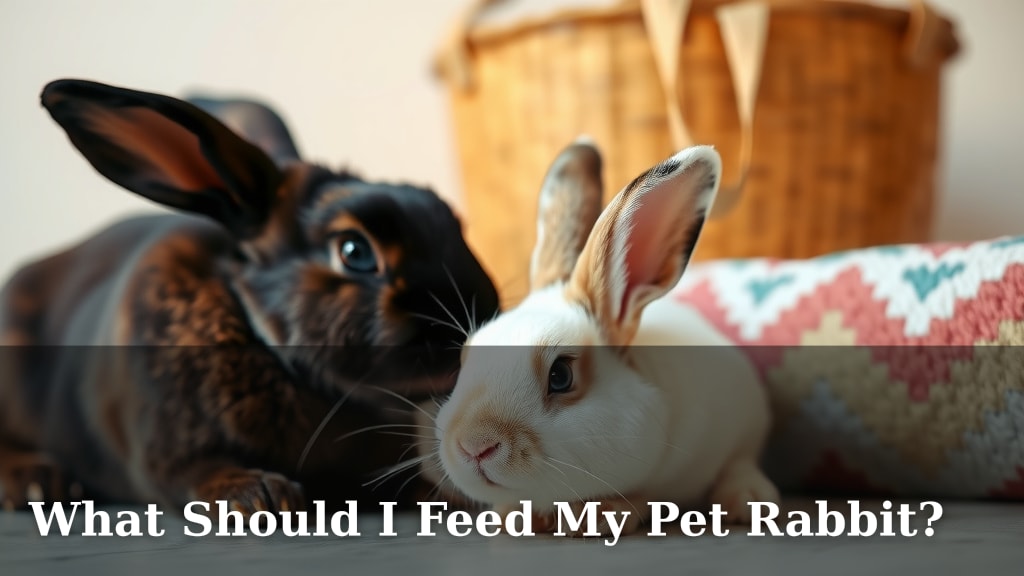
Feeding your pet rabbit the right foods is essential for their health. The best diet for a rabbit consists primarily of fresh hay, a small amount of high-quality pellets, and a variety of fresh vegetables. Fresh water should always be available. A well-balanced diet prevents digestive issues and keeps your bunny happy and active.
Beyond the basics, understanding what rabbits *can’t* eat is just as important. Sugary treats and starchy foods can cause serious health problems for your furry friend. Many experts agree that a diet mimicking what rabbits eat in the wild offers the most nutritional benefits. This means focusing on fiber-rich options for optimal digestion.
- Hay is the star of your rabbit’s diet.
- Limit commercial pellets.
- Introduce new veggies slowly.
- Always provide fresh, clean water.
- Avoid sugary or starchy human foods.
We found that understanding these key components makes rabbit nutrition much simpler. Let’s walk through exactly what your bunny should be munching on!
Feeding Your Rabbit: A Healthy Diet Breakdown
You’re wondering about the best foods for your bunny. It’s a great question for any pet parent! A rabbit’s diet needs to be carefully managed for their well-being. Let’s dive into what your furry friend should be eating every day.
The Foundation: What Your Rabbit Needs Most
Think of your rabbit’s diet like building a house. You need a strong foundation. For rabbits, that foundation is unlimited fresh hay. It’s the most important part of their daily meals. Hay provides essential fiber. This fiber keeps their digestive system moving smoothly. It also helps wear down their continuously growing teeth.
Why Hay is King
Rabbits are herbivores, meaning they only eat plants. In the wild, they spend hours grazing on grasses. Your pet rabbit’s digestive system is designed for this high-fiber diet. Hay mimics their natural food source perfectly. Without enough hay, your bunny can develop serious health issues.
Types of Hay to Offer
When you’re at the pet store, you’ll see different kinds of hay. For adult rabbits, timothy hay is the most recommended. It’s good for their digestion and not too rich. Orchard grass and oat hay are also good choices. You can even mix them up to offer variety. Alfalfa hay is higher in calcium and protein. It’s best for young, growing bunnies or pregnant/nursing does. Avoid feeding alfalfa to adult rabbits long-term.
Pellets: A Small but Important Part
Pellets are like the vitamins for your rabbit’s diet. They offer concentrated nutrients. However, too many pellets can cause problems. We found that a small amount is key. For adult rabbits, aim for about 1/4 cup of high-quality pellets per 5 pounds of body weight per day. Always choose plain, high-fiber pellets. Look for those made from timothy hay. Avoid colorful mixes with seeds, nuts, or dried fruit. These are unhealthy treats for your bunny.
Choosing the Right Pellets
When you pick out pellets, check the ingredients. You want a product with at least 18% fiber. The protein content should be around 12-14%. Avoid pellets with added sugars, artificial colors, or preservatives. Many rabbit experts suggest brands formulated for adult rabbits. We found that reading the packaging carefully helps you make the best choice.
Fresh Greens: Daily Delights for Your Bunny
Adding fresh vegetables to your rabbit’s diet is wonderful. It provides vitamins, minerals, and hydration. You can offer a variety of leafy greens every day. Think of it as a salad bar for your bunny! However, introduce new vegetables slowly. This helps prevent upset stomachs.
What Greens are Safe and Healthy?
Many leafy greens are safe and beneficial. Good options include romaine lettuce, kale, spinach, parsley, cilantro, and dill. Dark leafy greens are packed with nutrients. You can offer about one packed cup of greens per 2 pounds of your rabbit’s body weight daily. Rotate your choices to provide a good mix of nutrients.
Greens to Introduce Cautiously
Some greens can cause gas or digestive upset if fed in large amounts. These include broccoli, cauliflower, and cabbage. It’s best to offer these sparingly or in very small quantities. Iceberg lettuce is mostly water and has little nutritional value. It’s often recommended to avoid it.
Fruits and Treats: Sparingly is Best
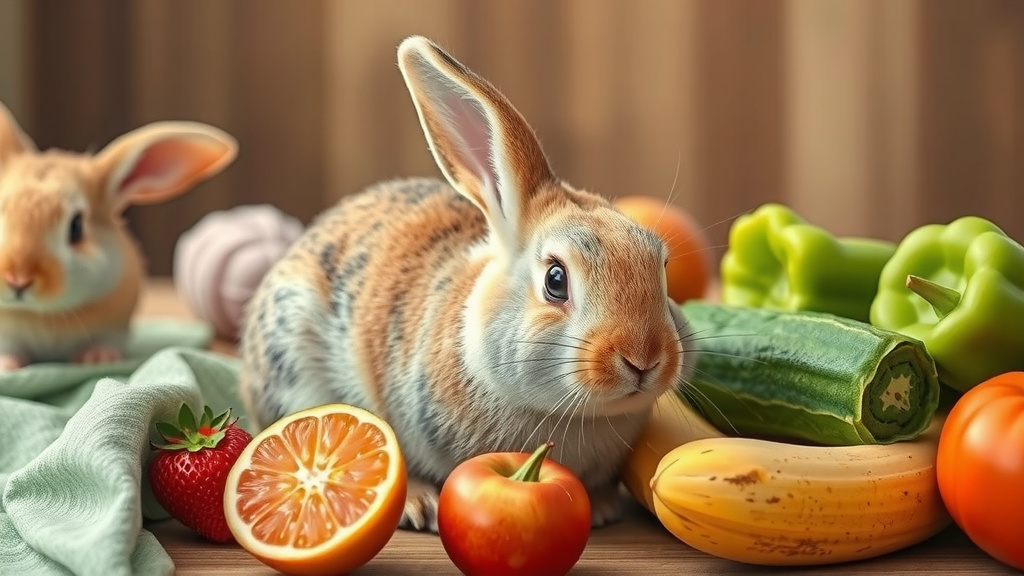
Rabbits love sweet tastes, but their bodies don’t handle sugar well. Fruits are high in sugar. They should only be given as an occasional treat. A small slice of apple, banana, or a few berries a couple of times a week is plenty. You can also offer small pieces of carrot as a treat. Always remove seeds from apple slices, as they can be toxic.
Understanding Rabbit Treats
Many commercial rabbit treats are packed with sugar and unhealthy ingredients. We found it’s best to stick to natural options. Small pieces of fruit or a tiny chunk of a safe vegetable are ideal. Avoid anything with added sugar, yogurt drops, or cereal. These can lead to dental problems and digestive issues.
Water: The Essential Hydration Source
Just like us, rabbits need constant access to fresh, clean water. Dehydration can be dangerous for them. You have two main options for providing water: a sipper bottle or a heavy ceramic bowl. Some rabbits prefer one over the other. It’s important to ensure they are drinking enough.
Water Bottles vs. Bowls
Sipper bottles are convenient and keep water clean. However, some rabbits find them difficult to use. They can also sometimes malfunction. Heavy ceramic bowls are easily accessible for drinking. The downside is that they can get dirty quickly. You might need to clean and refill them multiple times a day. Whichever you choose, clean it daily.
Foods to Absolutely Avoid
There are certain human foods that are dangerous for rabbits. You must keep these completely out of reach. Anything high in sugar, starch, or fat is harmful. This includes chocolate, cookies, bread, pasta, and cereal. Onions, garlic, and avocado are also toxic. If you suspect your rabbit has eaten something harmful, contact your veterinarian immediately.
The Danger of Human Foods
A rabbit’s digestive system is delicate. Processed human foods can cause severe gastrointestinal distress. This can lead to blockages, diarrhea, or even a complete shutdown of their digestive tract. It’s crucial to remember that what’s safe for us isn’t always safe for them. Stick to rabbit-specific foods.
Here’s a quick checklist for your rabbit’s daily meals:
- Unlimited fresh timothy hay available at all times.
- A small portion (about 1/4 cup per 5 lbs body weight) of high-fiber pellets.
- A variety of fresh, leafy greens daily (about 1 packed cup per 2 lbs body weight).
- Fresh, clean water available at all times, in a bottle or bowl.
- Occasional small fruit or carrot treats (no more than a couple of times a week).
- Avoid all sugary, starchy, or processed human foods.
Conclusion
You’ve learned the essentials for feeding your pet rabbit a healthy diet. Remember, hay is the undisputed champion, forming the bulk of their meals. Pellets and fresh greens offer important nutrients but should be given in moderation. Always ensure fresh water is available. By focusing on these core components and avoiding harmful human foods, you’re setting your bunny up for a long, happy life. Start implementing these dietary changes today for a healthier, more vibrant companion!
Frequently Asked Questions
How much hay should my rabbit eat daily?
Your rabbit should have unlimited access to fresh hay every single day. Hay should make up about 80-90% of their total food intake. This fiber is vital for their digestive and dental health.
What kind of vegetables can I give my rabbit?
You can offer a variety of safe, leafy greens like romaine lettuce, parsley, cilantro, and kale. Always introduce new vegetables slowly to avoid digestive upset. A packed cup per two pounds of body weight daily is a good guideline.
Are fruits really that bad for rabbits?
Fruits are high in sugar, which rabbits cannot process well. They should only be given as a very occasional treat, like a small slice of apple or a few berries, a couple of times a week at most. Too much can lead to health problems.
Can my rabbit eat rabbit food made for other animals?
No, you should only feed your rabbit food specifically formulated for rabbits. Different species have different nutritional needs, and food for guinea pigs or other pets could be harmful.
How often should I change my rabbit’s water?
You should ensure your rabbit has fresh, clean water available at all times. It’s best to clean the water bowl or bottle and refill it daily to prevent bacteria growth and contamination.