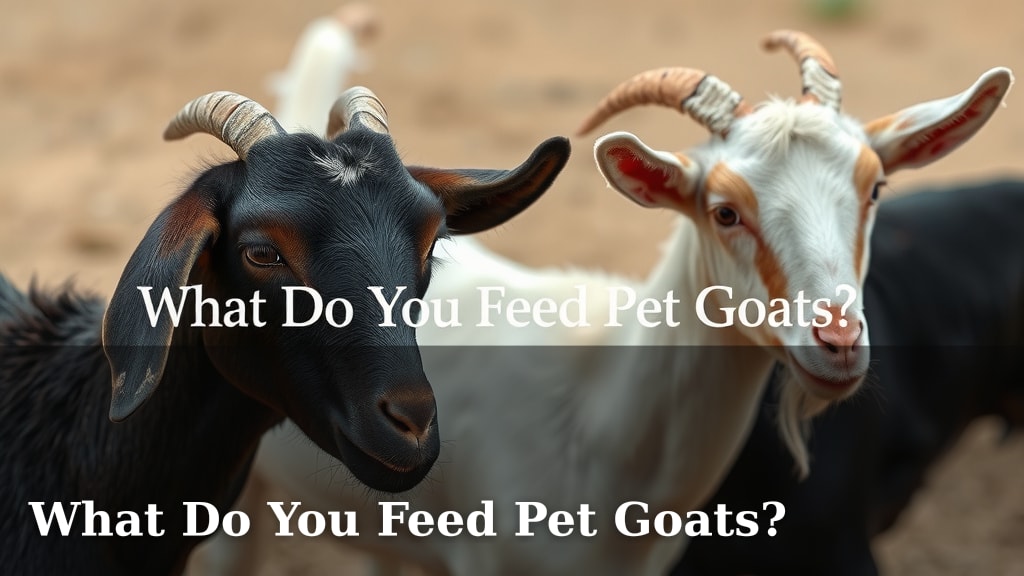
What Do You Feed Pet Goats?
Feeding your pet goats starts with a foundation of good quality hay. Goats are browsers, meaning they love to nibble on leaves and twigs. While hay is essential, it’s not their only food source. A balanced diet ensures your goats stay healthy and happy. Think of it as giving them a nutritious buffet!
Beyond hay, your goats will need access to fresh water at all times. They also benefit from a balanced grain or pellet feed, especially if they are growing, pregnant, or nursing. Don’t forget minerals; goats need a special mineral supplement to thrive. Research shows that providing these core elements supports their digestive health and overall well-being. It’s about meeting their specific dietary needs.
- Hay is the main food for goats.
- Always provide fresh, clean water.
- Consider goat-specific grain or pellets.
- Mineral supplements are very important.
- Avoid toxic plants and sudden diet changes.
Let’s break down exactly what to feed your pet goats to keep them in tip-top shape.
What Goes into a Healthy Goat Diet?
So, you’re wondering about the best foods for your friendly goats. It’s more than just tossing them some grass! A goat’s diet needs to be carefully considered to keep them **healthy and happy**. Think of it like preparing a balanced meal for yourself; you wouldn’t just eat chips all day, right? Your goats deserve the same thoughtful approach.
The Cornerstone: High-Quality Forage
We know goats are browsers. This means they naturally prefer to eat leaves, twigs, and shrubs over just plain grass. This is why the **main food** for your pet goats should always be good quality hay. It mimics their natural grazing habits perfectly.
Choosing the Right Hay
When you’re picking out hay, look for something that smells fresh and clean. It should be green, not dusty or moldy. Alfalfa hay is a popular choice for goats. It’s high in protein and calcium, which is great for growing kids, pregnant does, and nursing mothers. However, it’s quite rich, so it might not be the best staple for all goats, especially mature ones that aren’t working hard.
Grass hays, like orchard grass or timothy hay, are excellent everyday options. They provide necessary fiber without being too rich. Many goat owners find a mix of alfalfa and grass hay works wonderfully. This gives them a good balance of nutrients and fiber. Research suggests that a varied forage diet can lead to better gut health (NCBI).
What About Pasture?
If you have pasture space, let your goats graze! Goats love to explore and nibble on various plants. However, simply turning them out doesn’t guarantee a balanced diet. They might not find all the nutrients they need. It’s important to supervise their grazing and ensure they have access to hay even when on pasture. Also, be sure to identify and remove any toxic plants from their grazing area. We’ll touch more on those later.
Essential Water: The Unsung Hero
You can’t talk about goat nutrition without mentioning water. It’s absolutely **critical** for their digestion and overall health. Goats drink a surprising amount of water daily, especially in hot weather or when they’re eating dry hay.
Keeping it Fresh and Clean
Always ensure your goats have access to fresh, clean water. This means cleaning their water buckets or troughs regularly. Stagnant or dirty water can harbor bacteria and make your goats sick. Imagine drinking from a murky puddle – not appealing, right? Your goats feel the same way!
Supplementing for Optimal Health
While hay and water are the base, other foods can offer additional benefits. These supplements help fill any nutritional gaps.
Goat-Specific Grains and Pellets
Sometimes, hay alone isn’t enough. Growing kids need extra energy and protein. Pregnant or nursing does have higher nutritional demands. For these goats, a balanced grain or specialized goat pellet can be beneficial. Always choose a feed specifically formulated for goats. It ensures the right mix of vitamins, minerals, and protein.
How much grain? It depends on the goat’s age, size, and activity level. A good rule of thumb is to give them no more than 1-2% of their body weight in grain per day. Too much grain can cause digestive upset. Many experts recommend feeding grains in moderation to prevent issues like bloat or acidosis (Veterinary Practice News).
The Vital Role of Minerals
Goats have unique mineral needs. They often require supplements for trace minerals like selenium, copper, and zinc. A common way to provide these is through a goat-specific mineral supplement. You can offer loose minerals or mineral blocks. Make sure the block is designed for goats, not cattle or sheep, as their needs differ.
Copper deficiency can be a real problem for goats. It can lead to poor coat quality, anemia, and even neurological issues. This is why many owners opt for a ration balancer or a specific goat mineral mix that includes adequate copper. Always follow the feeding guidelines on the product packaging. Too much of a good thing can be harmful!
Treats and Extras: Use Sparingly!
Most goats love treats! Small amounts of certain fruits, vegetables, or even a bit of plain bread can be given occasionally. Think of these as special rewards, not daily staples.
Safe and Unsafe Foods
It’s important to know what’s safe. Goats can generally eat small amounts of:
- Carrots
- Apples (seeds removed)
- Leafy greens (like lettuce or kale)
- Watermelon
On the flip side, some foods are toxic to goats. These include rhododendron, azaleas, oleander, and certain types of berries. It’s crucial to research any plant before allowing your goats near it. Sudden diet changes can also cause digestive upset. Introduce any new food gradually over several days.
What About Grain for “Fun”?
Some people feed a grain mix as a way to bond with their goats. While this can be nice, be cautious. If you’re feeding grain as a treat, keep the portions very small. A handful is usually plenty. The goal is to supplement their diet, not replace their hay. Remember, their digestive systems are designed for roughage!
Feeding Checklist for Your Goats
Here’s a quick rundown to make sure you’re covering all the bases:
- Always provide plenty of fresh hay.
- Ensure 24/7 access to clean, fresh water.
- Offer a goat-specific mineral supplement.
- Consider specialized feed for young, old, or lactating goats.
- Introduce new foods slowly and in moderation.
- Keep a close eye out for toxic plants in their environment.
Conclusion
You’ve learned that feeding your pet goats is all about providing a diet that mimics their natural browsing habits. High-quality hay forms the foundation, supplemented by constant access to fresh water. Remember to consider specialized grains and vital mineral supplements, especially for different life stages. Treats should be occasional rewards, and always be vigilant about avoiding toxic plants. By focusing on these essentials, you’re setting your goats up for a long, happy, and healthy life. Now, put this knowledge into practice by reviewing your goat’s current diet and making any necessary adjustments!
Frequently Asked Questions
Can my pet goats just eat grass?
While goats enjoy grass, it shouldn’t be their only food source. Goats are browsers, meaning they prefer to nibble on leaves and twigs. Relying solely on grass might not provide all the necessary nutrients they need for optimal health.
How much grain should I feed my goats?
Grain should be fed in moderation, generally no more than 1-2% of your goat’s body weight daily. The exact amount depends on their age, activity level, and whether they are growing, pregnant, or nursing. Too much grain can lead to digestive problems.
What’s the best way to give my goats minerals?
The most common way to provide minerals is through a goat-specific mineral supplement, available as loose minerals or blocks. Ensure the supplement is formulated for goats, as their needs differ from other livestock. Always follow the product’s feeding instructions.
Are there any common household foods I can give my goats as treats?
Small amounts of certain fruits and vegetables can be offered as occasional treats. Carrots, apples (with seeds removed), and leafy greens like lettuce are generally safe. Always remove seeds and introduce new foods slowly to avoid upsetting their digestion.
What should I do if I suspect my goat ate something poisonous?
If you suspect your goat has ingested a toxic plant, contact your veterinarian immediately. It’s important to identify and remove any poisonous plants from your goat’s environment to prevent accidental poisoning. Knowing common toxic plants is key to your goats’ safety.