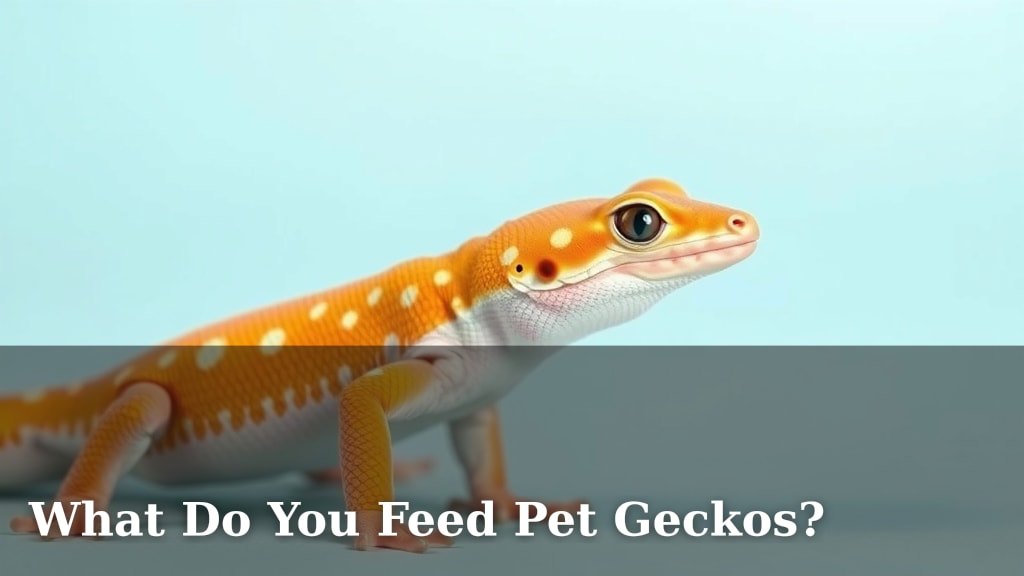
What Do You Feed Pet Geckos?
Feeding your pet gecko is all about providing a balanced and nutritious diet. Most pet geckos are insectivores, meaning they eat insects. You’ll want to offer a variety of gut-loaded feeder insects like crickets, mealworms, and dubia roaches. For some species, like leopard geckos and crested geckos, you’ll also need to supplement their diet with a calcium and vitamin powder to ensure they stay healthy and strong.
It’s essential to understand that different gecko species have different dietary needs. Some geckos primarily eat insects, while others, like the crested gecko, thrive on a diet of fruit purees and specialized gecko diets. Providing the right food is key to their overall well-being, ensuring they have the energy to be active and healthy pets. We found that offering variety prevents picky eating and covers all their nutritional bases.
- Most geckos eat insects (crickets, mealworms, roaches).
- Supplement with calcium and vitamins for most species.
- Crested geckos need fruit purees and specialized diets.
- Always gut-load feeder insects before feeding.
- Research your specific gecko species’ needs.
Ready to become a gecko nutrition expert? Let’s dive into the details of what makes a perfect gecko meal.
What to Feed Your Gecko Companion
Understanding your gecko’s diet is the most important part of keeping them happy and healthy. You’ll want to know what’s best to offer them. Your gecko relies on you for proper nutrition. This guide will help you learn what to feed your specific gecko species.
Understanding Gecko Dietary Types
Geckos aren’t all the same when it comes to food. They fall into a few main dietary categories. Knowing which type your gecko is will guide your food choices. This ensures you’re meeting their unique nutritional needs.
Insectivores: The Bug Eaters
Most popular pet geckos are insectivores. This means their diet is primarily made up of insects. Think of crickets, mealworms, dubia roaches, and waxworms. These insects provide essential protein and nutrients. Many experts say a varied insect diet is key for these geckos (NCBI).
Gut-Loading Feeder Insects
Before you feed insects to your gecko, you need to gut-load them. This means feeding the insects nutritious food for at least 24 hours before offering them to your gecko. Think leafy greens, vegetables, and specialized gut-load formulas. What the insect eats becomes nutrition for your gecko. Many veterinarians recommend this practice for optimal health.
Supplementation is Key
Even with gut-loaded insects, most insectivores need extra vitamins and minerals. This is especially true for calcium. Geckos need calcium for strong bones and proper nerve function. Many common gecko ailments stem from calcium deficiency. You’ll typically dust the feeder insects with a calcium and vitamin powder. Research shows that dusting insects 3-4 times a week with a calcium-rich supplement can prevent serious health issues (CDC).
Frugivores/Omnivores: The Fruit and Insect Mix
Some geckos, like the well-loved crested gecko, are frugivores or omnivores. They eat both insects and fruits. Their natural diet includes fruit, pollen, nectar, and small insects. Recreating this balance in captivity is important for their health.
Specialized Gecko Diets
For species like crested geckos, commercial powdered diets are a fantastic option. You mix these powders with water to create a smooth paste. These diets are formulated to provide a balanced blend of fruits, vitamins, and minerals. Many breeders and reptile veterinarians recommend these commercially prepared diets as a staple food (Cleveland Clinic).
Adding Variety with Fruits
While commercial diets cover many needs, you can offer small amounts of fresh fruit as a treat. Good options include mashed mango, papaya, or peaches. Always ensure the fruit is ripe and free of seeds or pits. Avoid citrus fruits, as their acidity can be harmful. Offering variety helps keep your gecko engaged with their food.
Occasional Insect Feedings
Even frugivorous geckos benefit from occasional insect meals. Offer gut-loaded insects like crickets or small roaches a few times a month. This provides extra protein and simulates their natural hunting behavior. It’s a good idea to dust these insects with a calcium and vitamin supplement.
Feeding Your Gecko: Practical Tips
Now that you know what kinds of food are available, let’s talk about how to feed them. The method you use can impact how well your gecko eats and digests its food.
How Often Should You Feed?
Feeding frequency depends on your gecko’s age and species. Young, growing geckos need to eat more often than adults. For most insectivores, feeding every day or every other day is common for juveniles. Adult insectivores might eat every 2-3 days.
Frugivores or omnivores on a powdered diet can be offered food every other day. If you offer fresh fruit, do so sparingly. We found that sticking to a routine helps them anticipate meal times.
Portion Sizes Matter
Don’t overfeed your gecko. For insectivores, offer a number of insects that your gecko can consume within a 10-15 minute period. It’s better to offer a little less and have them finish it than to leave uneaten insects in the tank. Leftover insects can bite your gecko or contaminate the enclosure.
For powdered diets, prepare a small amount that your gecko can finish within 24-48 hours. Overfeeding can lead to obesity, which is a health risk for any pet. Monitoring your gecko’s weight and body condition is a good practice.
Temperature and Presentation
Some geckos, especially those that hunt by vibration and heat, prefer their food warmed slightly. Gently warming insects to room temperature can make them more appealing. Never microwave insects, as this can cook them unevenly and harm your gecko. You can warm them by placing them in a small container with some substrate and a warm (not hot) water pack for a few minutes.
For powdered diets, serving it in a small, shallow dish works well. You can place this dish in an easily accessible spot in your gecko’s habitat. Some geckos prefer their food presented this way rather than having to hunt for it.
Common Feeder Insects and Their Benefits
Let’s look at some of the most common feeder insects. Each offers unique nutritional profiles that your gecko can benefit from.
| Feeder Insect | Pros | Cons |
|---|---|---|
| Crickets | Widely available, good source of protein. Easy to gut-load. | Can be noisy and have a distinct odor. Some geckos can be wary of their jumping. |
| Dubia Roaches | Highly nutritious, easy to digest. Relatively quiet and don’t bite. | May be illegal to own in some states. Can be more expensive. |
| Mealworms | Inexpensive and easy to store. Good source of fat and protein. | Higher in fat and chitin, so should be fed in moderation. Geckos may struggle to digest larger ones. |
| Black Soldier Fly Larvae (BSFL) | Excellent calcium-to-phosphorus ratio, reducing the need for supplements. High in protein. | Can be harder to find than other insects. May not appeal to all geckos initially. |
| Waxworms | Very palatable and a good treat. High in fat. | Very high in fat and low in calcium. Should only be used as an occasional treat. |
What to AVOID Feeding Your Gecko
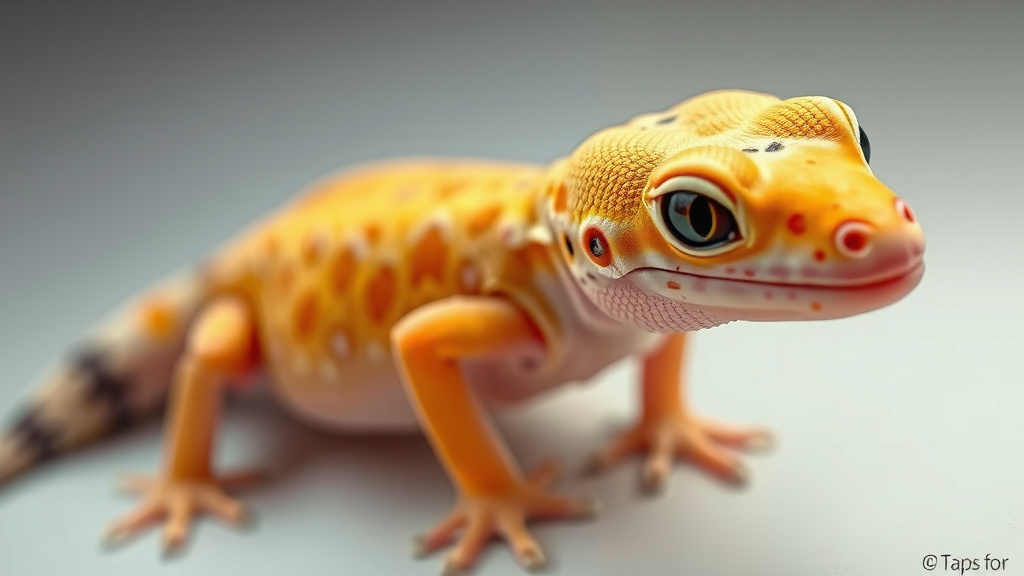
It’s just as important to know what not to feed your gecko. Some foods can be harmful or even toxic. Your research can prevent many potential problems.
- Wild-caught insects: These can carry pesticides, parasites, or diseases. Always use commercially bred feeder insects.
- Human food: Processed human foods, dairy, and cooked meats are not suitable. They can cause digestive upset.
- Citrus fruits: The acidity can be bad for your gecko’s digestive system. Stick to safer fruit options.
- Avocado: This fruit is toxic to many reptiles. Never feed avocado to your gecko.
- Onions and garlic: These can be harmful and should be avoided.
Your Gecko’s Feeding Checklist
Here’s a quick rundown to help you keep track of your gecko’s feeding routine:
- Research your specific gecko species’ dietary needs.
- Offer a variety of gut-loaded feeder insects.
- Use calcium and vitamin supplements as recommended.
- Provide specialized diets for frugivorous species.
- Avoid feeding wild insects or unsuitable human foods.
- Monitor your gecko for signs of healthy eating and weight.
Conclusion
You’ve learned that feeding your gecko is about more than just tossing in some bugs. It requires understanding your specific gecko’s needs, whether they’re a dedicated insectivore or a fruit-loving omnivore. Always remember to gut-load feeder insects and provide necessary calcium and vitamin supplements to keep them healthy. For species like crested geckos, specialized diets and fruit purees are essential.
By following these guidelines and researching your gecko’s unique dietary requirements, you’re setting them up for a long and vibrant life. Your commitment to proper nutrition is the most important step in providing excellent care for your scaly companion.
Frequently Asked Questions
How often should I feed my baby gecko versus an adult gecko?
Baby geckos are growing rapidly, so they need to eat more frequently than adults. Juveniles may eat daily or every other day, while adults typically eat every two to three days. Always adjust based on your gecko’s species and individual appetite.
Can I feed my gecko leftover insects from their last meal?
It’s generally best to remove uneaten insects from the enclosure. Leftover insects can potentially bite your gecko, spread waste, or contaminate the habitat. Offer only what your gecko can consume within a 10-15 minute period.
What are the signs that my gecko is not getting enough calcium?
Signs of calcium deficiency can include lethargy, weak bones, twitching limbs, and in severe cases, metabolic bone disease. This is why regular supplementation with calcium and vitamin powder is so important for most gecko species.
Are store-bought feeder insects safe to feed my gecko?
Yes, commercially bred feeder insects are the safest option. They are raised in controlled environments and are less likely to carry parasites or pesticides compared to wild-caught insects. Always gut-load them before feeding.
Can my crested gecko eat a diet made up entirely of fruit?
No, a diet of only fruit is not sufficient for crested geckos. While they enjoy fruit purees, they also need insects for protein and a balanced commercial diet formulated with essential vitamins and minerals. A combination ensures they get complete nutrition.