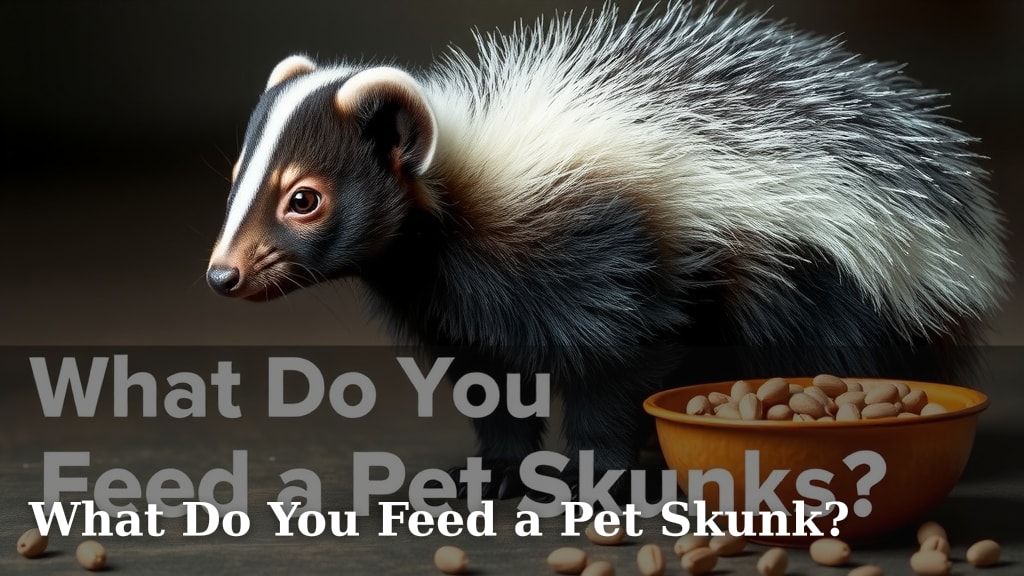
What Do You Feed a Pet Skunk?
Feeding a pet skunk means providing a balanced diet that mimics their natural food sources. You should focus on a mix of high-quality commercial kibble designed for exotic pets, fresh fruits, and vegetables. Protein is also essential, so occasional additions like cooked chicken or eggs are beneficial. A well-rounded diet is key to your skunk’s overall health and happiness.
What you feed your skunk can greatly impact their energy levels and coat quality. Many owners find success with a diet that includes a variety of safe, raw vegetables and a limited amount of fruit. It’s important to avoid common human foods that can be toxic. Research shows that proper nutrition helps prevent common skunk health issues like obesity and dental problems.
- Skunks need a diet high in protein and fiber.
- Offer a mix of commercial skunk kibble, fresh veggies, and some fruit.
- Limited cooked protein sources like chicken or eggs are good additions.
- Always provide fresh water.
- Avoid toxic foods like chocolate and onions.
Ready to get a better grasp on your skunk’s dietary needs? Let’s walk through exactly what you should be putting in their food bowl.
Nourishing Your Pet Skunk: A Feeding Guide
Figuring out what to feed your pet skunk can feel like a puzzle. But don’t worry, it’s simpler than you might think! Your skunk’s diet should be a careful balance. It needs to mimic what they’d eat in the wild, but with the convenience of pet ownership.
The Foundation: Commercial Skunk Food and Staples
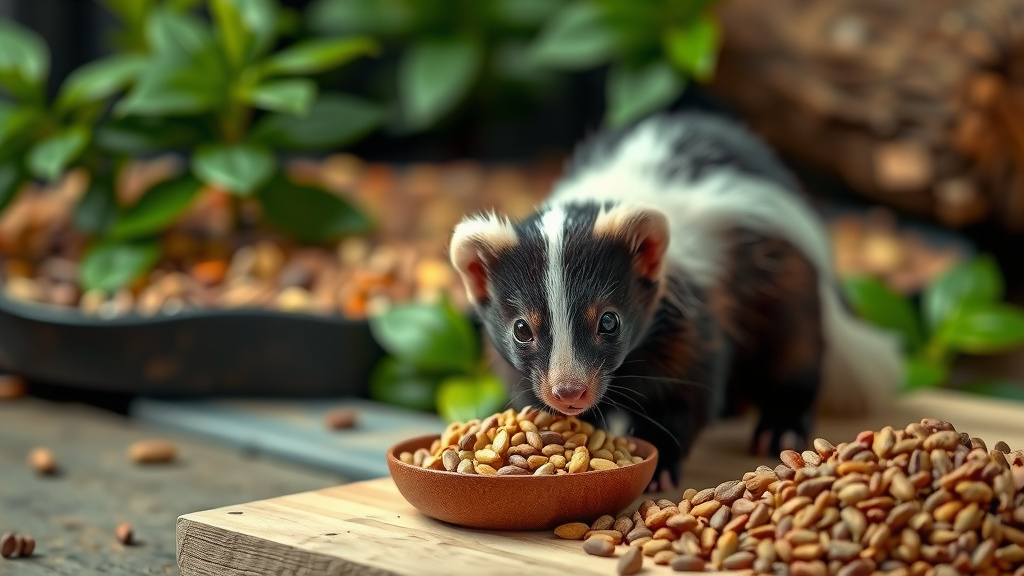
The cornerstone of your skunk’s diet should be a high-quality commercial kibble. Not just any dog or cat food will do. Look for specialized diets made for exotic pets, ideally formulated for skunks. These foods are designed to offer a complete nutritional profile. They help prevent common deficiencies that can arise from an unbalanced diet.
Many experts recommend a commercial diet that is high in protein and fiber. This aligns with a skunk’s natural omnivorous eating habits. When choosing a kibble, check the ingredient list. You want to see animal protein sources near the top. Fiber is also essential for digestive health. Many guidelines point to this as a good first step for skunk nutrition (Pet Education).
What to Look for in Commercial Kibble
When you’re at the pet store or browsing online, keep an eye out for specific ingredients. A good skunk kibble will have a protein content generally between 25-30%. Fat content should be around 10-15%. Avoid foods with excessive fillers like corn or wheat, especially if your skunk has a sensitive stomach.
It’s also helpful to choose a kibble that is low in phosphorus and calcium. Skunks can be prone to metabolic bone disease if these minerals are out of balance. Reputable brands often provide detailed nutritional breakdowns on their packaging. This helps you make an informed choice for your furry friend.
Adding Variety: Fruits, Vegetables, and Proteins
While kibble provides the base, variety is the spice of life, even for skunks! Fresh foods add essential vitamins, minerals, and moisture to their diet. Think of it as adding color and texture to their meals.
The Best Veggies for Your Skunk
Offer a wide range of safe, raw vegetables daily. Dark, leafy greens are fantastic. Things like spinach, kale, and romaine lettuce are good choices. Other excellent options include green beans, carrots, peas, and squash. You can also offer small amounts of broccoli or cauliflower.
When preparing vegetables, chop them into bite-sized pieces. This makes them easier for your skunk to eat and digest. Variety is key, so rotate through different types of vegetables. This ensures your skunk gets a broad spectrum of nutrients. Many owners find that their skunks especially enjoy sweet potato and bell peppers.
Fruits: A Treat in Moderation
Fruits can be a tasty addition, but they should be given in moderation. They are higher in sugar, and skunks can be prone to obesity. Berries like blueberries, raspberries, and strawberries are great. Apples, bananas, and melons are also good options. Always remove seeds and pits from fruits like apples, as they can be harmful.
Limit fruit to a small portion, perhaps a few times a week, or as a special treat. Think of it as a dessert rather than a main course. Too much sugar can lead to dental issues and weight gain, so balance is important. A general rule is that fruits should make up no more than 10% of their fresh food intake.
Occasional Protein Boosts
Skunks are omnivores, meaning they eat both plants and animals. So, a little extra protein is beneficial. You can offer small amounts of cooked lean meats a couple of times a week. Plain cooked chicken, turkey, or lean beef are excellent choices. Make sure the meat is thoroughly cooked and unseasoned.
Scrambled or hard-boiled eggs are also a healthy option. Again, ensure they are cooked without any salt, butter, or spices. This provides essential amino acids and can be a real hit with your skunk. The key here is moderation; too much animal protein can be hard on their kidneys.
Foods to Absolutely Avoid
Just as important as knowing what to feed your skunk is knowing what not to feed them. Some common human foods are highly toxic to skunks and can cause severe illness or even death. Always be vigilant and keep these items out of reach.
Dangerous Human Foods
Chocolate is a big no-no. It contains theobromine, which is poisonous to many animals, including skunks. Onions, garlic, and chives can damage a skunk’s red blood cells, leading to anemia. Grapes and raisins can cause kidney failure. Avocados contain a toxin called persin, which is harmful.
Other foods to avoid include processed meats, salty snacks, sugary treats, and anything containing xylitol (an artificial sweetener). Caffeine and alcohol are also dangerous. When in doubt, it’s always best to err on the side of caution and avoid feeding it to your skunk.
Processed Foods and Leftovers
Avoid giving your skunk human-style processed foods. These often contain high levels of salt, sugar, and artificial preservatives. Skunk digestive systems aren’t equipped to handle these. Even leftovers from your plate, unless they are plain, cooked lean meat or safe vegetables, should be avoided. Stick to their specialized diet.
Hydration: The Unsung Hero
Never forget the importance of fresh water! Your skunk should have access to clean, fresh water at all times. Use a heavy ceramic bowl that can’t be easily tipped over. Some owners also use water bottles, but ensure your skunk knows how to use it effectively. Clean and refill their water bowl daily.
Feeding Schedule and Portion Control
Consistency is helpful for your skunk’s digestive system. Many owners feed their skunks once or twice a day. Follow the feeding guidelines on your chosen commercial kibble. Adjust portions based on your skunk’s age, activity level, and weight. It’s always a good idea to discuss portion sizes with your exotic veterinarian.
Monitor your skunk’s weight regularly. Are they maintaining a healthy body condition? You should be able to feel their ribs under a thin layer of fat, but not see them protruding. If they are gaining too much weight, reduce the amount of high-calorie treats like fruits and fatty proteins. If they seem too thin, consult your vet.
A Quick Checklist for Your Skunk’s Diet:
- Offer specialized skunk kibble daily.
- Include a variety of fresh, safe vegetables.
- Add a small amount of fruit as a treat.
- Provide occasional cooked, unseasoned protein.
- Always ensure access to fresh, clean water.
- Strictly avoid toxic human foods.
Conclusion
You’ve learned a lot about feeding your pet skunk! Remember, a balanced diet is the key to their health. Focus on high-quality kibble as the base. Supplement this with plenty of fresh vegetables and a small amount of fruit. Occasional cooked proteins and constant fresh water are also vital. By avoiding toxic foods and monitoring portion sizes, you’re setting your skunk up for a happy, healthy life. Now, put this knowledge into practice by carefully selecting their next meal!
Frequently Asked Questions
How much commercial kibble should I feed my skunk?
The amount of kibble depends on your skunk’s age, activity level, and weight. Check the feeding guidelines on the specific brand you choose. Your exotic veterinarian can also provide tailored recommendations for portion control.
Can my skunk eat dog or cat food?
It’s best to avoid standard dog or cat food. These diets may not meet a skunk’s specific nutritional requirements. Look for specialized exotic pet or skunk food to ensure they receive a balanced diet.
Are all fruits safe for skunks?
While many fruits are safe in moderation, some can be harmful. Always remove seeds and pits from fruits like apples, as they can be toxic. Limit sugary fruits to prevent weight gain and dental issues.
How often should I feed my pet skunk?
Most skunks do well with being fed once or twice a day. Consistency in feeding times can help their digestive system. Monitor their weight and adjust the schedule as needed, consulting your vet if you have concerns.
What if my skunk is a picky eater?
If your skunk is hesitant to try new foods, introduce them gradually. Mix new vegetables or safe proteins with their familiar kibble. Ensure a variety of textures and colors to encourage exploration. Patience is key when dealing with picky eaters.