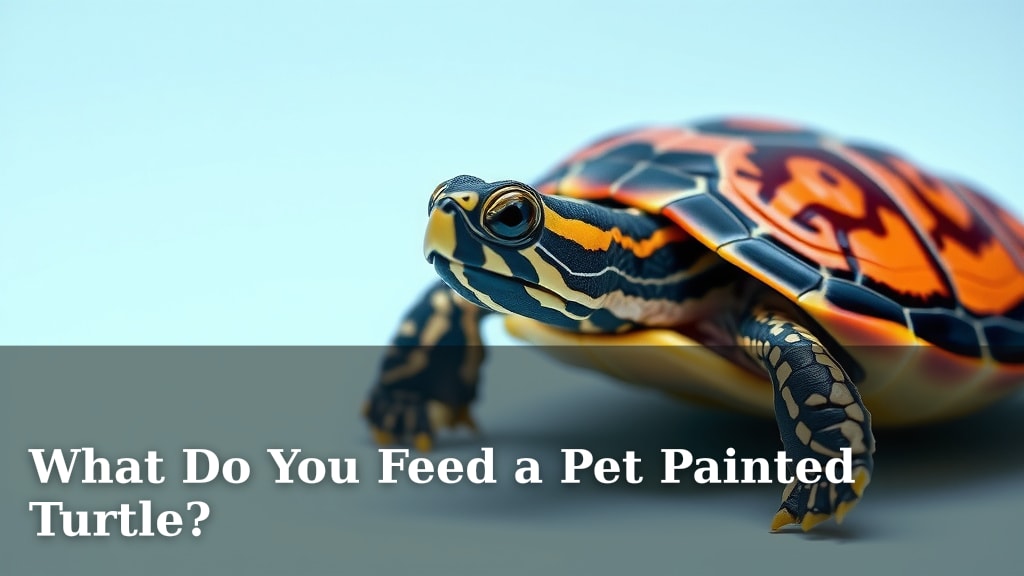
What Do You Feed a Pet Painted Turtle?
Feeding your pet painted turtle involves offering a balanced diet of commercial turtle pellets, leafy greens, and occasional protein. A varied diet is key to keeping your shelled friend happy and healthy for years to come. We’ve researched the best options to keep your painted turtle thriving.
Your painted turtle’s diet needs to be carefully managed. It’s not just about filling their belly; it’s about providing the right nutrients for growth and shell development. Too much protein can cause shell issues, while not enough vitamins can lead to other health problems. We’ll guide you through the essentials.
- Pellets are a staple for good nutrition.
- Leafy greens provide essential vitamins.
- Protein should be given as a treat.
- Vary their food to keep them interested.
- Always provide fresh, clean water.
Ready to learn exactly what your painted turtle should be munching on? Let’s dive into the specifics of creating the perfect meal plan for your aquatic companion.
Feeding Your Pet Painted Turtle: A Nutritional Guide
Knowing what to feed your pet painted turtle is essential for their health. These amazing creatures need a specific diet. It’s a mix of commercially prepared foods and natural items. We’ve researched the best ways to keep your turtle well-nourished.
Understanding the Painted Turtle Diet
Painted turtles are omnivores. This means they eat both plants and animals. In the wild, their diet changes with the seasons. They might eat insects, small fish, snails, and aquatic plants. As pets, you need to mimic this variety. A balanced diet helps prevent health problems. It also supports good growth and shell development.
The Importance of Commercial Turtle Pellets
High-quality commercial turtle pellets are a great foundation. They are made to provide balanced nutrition. Look for pellets specifically designed for aquatic turtles. Many brands offer formulas with the right protein and calcium levels. This is important for bone and shell health.
Many experts recommend using pellets as a dietary staple. They are formulated to meet specific nutritional needs. This helps ensure your turtle gets essential vitamins and minerals. It’s a convenient way to provide a baseline of good nutrition. Always choose a reputable brand.
Leafy Greens: A Vital Part of Their Diet
Your painted turtle needs plenty of leafy greens. These provide vitamins, minerals, and fiber. They are a great source of calcium. Calcium is super important for healthy shells and bones. Think of greens as their daily salad bar. It’s a healthy addition to their meals.
Best Greens to Offer
Several leafy greens are excellent choices. You can offer dandelion greens, romaine lettuce, and collard greens. Other good options include mustard greens and turnip greens. Avoid iceberg lettuce as it has very little nutritional value. It’s mostly water.
We found that rotating through a few different types of greens is best. This ensures a broader range of nutrients. It also keeps your turtle from getting bored. Offer a generous portion of greens daily. They should be a significant part of their food intake.
Protein Sources: A Treat, Not a Staple
While painted turtles need protein, too much can be harmful. Excessive protein can lead to shell deformities. It can also cause kidney problems in the long run. Therefore, protein should be offered as a treat. It’s like offering dessert to your turtle.
Good Protein Options
You can offer small amounts of protein a few times a week. Good choices include small feeder fish like guppies. You can also provide earthworms or lean, cooked chicken or turkey. Many owners also offer cooked shrimp or mealworms. Ensure any live food is gut-loaded. This means feeding the feeder insects nutritious food.
Many guidelines suggest that protein should make up only a small percentage of their diet. For adult turtles, protein might be fed once or twice a week. Younger, growing turtles can have protein a bit more often. It’s about finding the right balance for your turtle’s age.
Foods to Avoid: What Not to Feed
Just as important as knowing what to feed is knowing what to avoid. Some foods can be harmful to your painted turtle. These can cause digestive issues or other health problems. It’s best to steer clear of these items entirely.
Dangerous Foods for Turtles
Never feed your turtle processed human foods. This includes things like bread, cheese, or sugary snacks. These have no nutritional value for them. They can cause serious health issues. Also, avoid feeding raw meat. It can carry harmful bacteria.
Certain vegetables can also be problematic. High-oxalate vegetables like spinach should be fed sparingly, if at all. This is because oxalates can interfere with calcium absorption. Stick to the recommended safe greens. It’s better to be safe than sorry.
Feeding Schedule and Portion Sizes
Establishing a regular feeding schedule is important. It helps with digestion and waste management. The amount you feed depends on your turtle’s age and size.
How Often Should You Feed?
Young, growing painted turtles need to eat more often. They can be fed daily. As they get older, you can reduce the frequency. Adult turtles do well with feeding every other day. Some owners even feed adults three to four times a week. Always observe your turtle’s behavior and adjust as needed.
How Much to Feed
A good rule of thumb is to feed an amount they can consume in about 5-10 minutes. For pellets, this might be 2-3 pellets per inch of shell length. For greens, offer a piece about the size of their head. Don’t overfeed them. Leftover food can foul the water. This can lead to health problems.
Water: The Most Essential Nutrient
While not food, fresh, clean water is absolutely vital. Your painted turtle needs access to clean water at all times. They drink, swim, and defecate in their water. This is why a good filtration system is so important for their habitat.
We found that changing the water regularly is a must. This prevents the buildup of harmful bacteria. It keeps your turtle healthy and their environment clean. Always use dechlorinated water for their habitat. Chlorine can be harmful to reptiles (CDC).
A Quick Feeding Checklist for Your Turtle
To help you remember the key points, here’s a quick checklist:
- Offer high-quality turtle pellets daily or every other day.
- Provide a generous portion of leafy greens daily.
- Feed protein sources sparingly, 1-3 times a week.
- Avoid processed foods and anything toxic.
- Ensure constant access to fresh, clean, dechlorinated water.
- Remove uneaten food promptly to keep water clean.
Conclusion
You’ve learned that feeding your painted turtle is all about balance. A diet built on quality turtle pellets and daily leafy greens is essential for their health. Remember to offer protein sources as occasional treats, not daily meals. By avoiding dangerous human foods and always providing fresh, clean water, you’re setting your turtle up for a long, happy life. Now, put this knowledge into action by reviewing your turtle’s current diet and making any necessary adjustments!
Frequently Asked Questions
How do I know if I’m feeding my painted turtle too much protein?
If your turtle’s shell is developing soft spots or unusual bumps, it could be a sign of too much protein. We also found that lethargy or changes in appetite can be indicators. It’s best to reduce protein offerings and focus more on greens and pellets if you notice these issues.
Can my painted turtle eat the same leafy greens as my rabbit?
Some overlap exists, but not all greens are suitable for both. While dandelion greens are great for both, avoid feeding your turtle spinach frequently due to its high oxalate content. Always research specific greens to ensure they are safe and beneficial for your turtle.
What’s the best way to introduce new foods to my painted turtle?
Start by offering a very small amount of the new food alongside their regular meal. We found that this gradual approach helps prevent digestive upset. Observe your turtle for any signs of rejection or illness before increasing the quantity.
Why is my painted turtle not eating its pellets?
Your turtle might be bored with the pellets or perhaps prefers fresh foods more. If your turtle is otherwise healthy and active, try mixing a small amount of their favorite greens into the pellets. Ensure the pellets are fresh and haven’t expired, as older pellets can lose their appeal.
How can I make sure the water in my turtle’s tank stays clean?
Regular water changes are key, and a powerful filter is your best friend. We also found that removing uneaten food promptly prevents waste buildup. Consider a water testing kit to monitor ammonia and nitrate levels, which can indicate when filtration or water changes are needed.