Turtle Care 101: How to Feed Your Pet Turtle the Right Way
So you’ve decided to bring home a turtle. Whether it’s your first reptile or you’re adding to an existing collection, one of the most critical aspects of turtle ownership is understanding how to feed them properly. I get it—feeding a turtle seems straightforward, right? Just toss some food in the tank and you’re done. But here’s the thing: what you feed your turtle, how often, and in what quantities can literally make the difference between a thriving pet and one that struggles with health issues down the line.
In this comprehensive guide, I’m going to walk you through everything you need to know about feeding your pet turtle. We’ll explore different dietary options, feeding schedules, portion sizes, and some common mistakes that well-meaning turtle owners make. By the end, you’ll have the confidence to provide your shelled friend with optimal nutrition.
Understanding Your Turtle’s Natural Diet
Before we dive into what to put in your turtle’s food bowl, let’s talk about what they’d be eating if they were living in the wild. Turtles have been around for over 200 million years, and their dietary habits have been refined through countless generations of evolution. Think of their natural diet as a blueprint—it’s what we’re trying to replicate in captivity.
In nature, turtles are opportunistic feeders. They eat whatever they can find that fits in their mouths. This might include insects, small fish, crustaceans, aquatic plants, algae, and fallen fruits. The specific composition depends heavily on the species and the environment where they live. A turtle in a tropical wetland will eat differently than one in a temperate lake.
The Species Matter More Than You Think
Here’s something that catches a lot of new turtle owners off guard: not all turtles eat the same thing. A red-eared slider, for instance, is omnivorous and enjoys both animal and plant matter. A box turtle might be more herbivorous, while a snapping turtle tends to be more carnivorous. Before you bring your turtle home, you absolutely must research your specific species’ dietary preferences. This single step will save you from making costly nutritional mistakes.
The Omnivore vs. Herbivore Debate
This is where many turtle owners find themselves confused. Your turtle might be labeled as “omnivorous,” but what does that actually mean for your feeding strategy?
An omnivorous turtle, like the popular red-eared slider, benefits from a balanced diet that includes both protein and vegetables. However, the balance shifts as they age. Young turtles tend to need more protein because they’re growing rapidly. Adult turtles often thrive on a diet that’s heavier in vegetables and greens. It’s like how human children need more calories and different nutrients than adults do.
Young Turtles: The Protein Priority Years
If you have a juvenile turtle, protein should be the star of their diet. I’m talking about 50 to 75 percent of their food intake coming from protein sources. This makes sense when you think about it—these little guys are building muscle, shell, and organs. They’re growing at a rapid pace, and protein is essential for that growth.
Adult Turtles: Finding the Plant-Protein Balance
As your turtle matures, usually around 5 to 7 years old depending on the species, their dietary needs shift. Adult omnivorous turtles typically thrive on a diet that’s roughly 50 percent vegetables and 50 percent protein. Some even lean more heavily toward vegetables. This mirrors what happens in nature—younger wild turtles pursue live prey more actively, while older turtles spend more time foraging for plants.
Protein Sources for Turtles
Let’s get specific about protein. When it comes to feeding your turtle, you have several options, and each has its pros and cons.
Live Food Options
Many turtle owners swear by live food, and for good reason. Live prey stimulates your turtle’s natural hunting instincts and keeps them mentally engaged. It’s enrichment in its most natural form. The main options include:
- Crickets: Widely available, affordable, and turtles love them. They’re a decent source of protein, though not the most nutrient-dense option out there.
- Earthworms: Excellent nutrition and very accessible if you want to harvest them yourself from your garden.
- Small fish: Feeder fish like guppies and minnows provide good protein and contain calcium from their bones. Just make sure they’re appropriately sized for your turtle.
- Shrimp: Both freshwater and saltwater shrimp work well. They’re high in protein and add variety to your turtle’s diet.
- Snails: These are fantastic because turtles have to work to crack the shell, which provides natural wear on their beak and keeps it trimmed.
Prepared Protein Sources
Not everyone wants to keep live insects or breed feeder fish. That’s completely understandable. Prepared options give you flexibility and convenience:
- Frozen-thawed foods: You can buy frozen crickets, shrimp, and fish. Thaw them before feeding. This option stores well and reduces the hassle of live feeding.
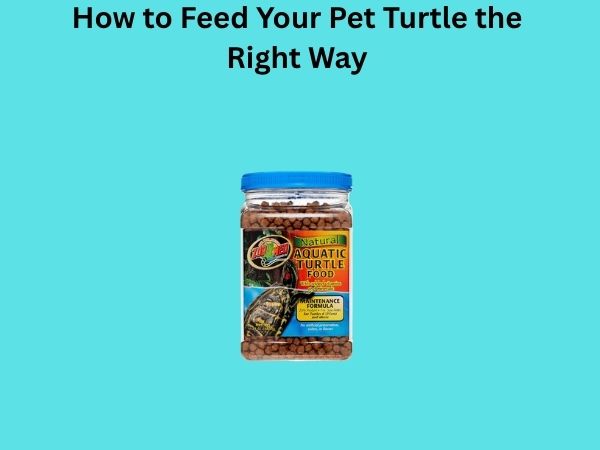
- Turtle pellets: We’ll dive deeper into these shortly, but they’re formulated to provide complete nutrition.
- Cooked chicken: Plain, unseasoned chicken breast can be offered occasionally as a protein boost.
Here’s my honest take: the best approach usually combines both live and prepared foods. Live food provides enrichment and stimulation, while prepared foods offer consistency and nutritional balance.
Vegetables and Greens: An Essential Component
Now let’s talk about the vegetables. This is where a lot of turtle owners cut corners, and it’s a mistake. Vegetables aren’t just filler or a supplement—they’re a crucial part of your turtle’s nutritional intake, especially as they mature.
Dark Leafy Greens Are Your Best Friend
If there’s one vegetable category you should prioritize, it’s dark leafy greens. These are nutritional powerhouses loaded with vitamins and minerals. Here are some excellent choices:
- Collard greens
- Mustard greens
- Kale (in moderation)
- Dandelion greens
- Watercress
- Turnip greens
These greens are high in calcium and vitamins while being low in oxalates, which can interfere with calcium absorption. They’re basically the vegetables you want your turtle eating most often.
Other Vegetables to Rotate In
Beyond dark leafy greens, you can offer variety with these options:
- Squash (butternut, acorn, zucchini)
- Carrots (grated or chopped)
- Bell peppers
- Cucumber
- Peas
- Green beans
- Sweet potato
The key is rotation. By offering different vegetables, you ensure your turtle gets a broader spectrum of nutrients. It’s like eating the same salad every single day versus changing up your vegetables throughout the week—your body definitely prefers variety.
Vegetables to Avoid or Limit
Not all vegetables are created equal for turtles. Some should be avoided entirely, while others should be given sparingly:
- Spinach: High in oxalates, which bind calcium and make it unavailable to your turtle.
- Iceberg lettuce: Mostly water with minimal nutritional value. It’s turtle junk food.
- Onions and garlic: Can be toxic to turtles.
- Avocado: Contains a compound called persin that’s harmful to many animals, including turtles.
Calcium and Vitamin Supplementation
Here’s something that genuinely saves turtle lives: proper supplementation. Even with the best diet, most captive turtles benefit from additional calcium and vitamins. Why? Because captive environments don’t perfectly replicate nature, where turtles get exposed to natural sunlight and have access to a wider variety of foods.
Calcium: The Foundation of Turtle Health
Calcium is absolutely non-negotiable for turtles. It’s essential for shell development, bone structure, and overall health. Without adequate calcium, your turtle can develop metabolic bone disease, which is a serious and potentially fatal condition. I’ve seen turtles with shell deformities and soft shells—it breaks my heart because it’s entirely preventable.
You should be dusting food with a calcium supplement at least 2 to 3 times per week for juvenile turtles and 1 to 2 times per week for adults. Look for a supplement that includes vitamin D3, which helps your turtle absorb the calcium. Make sure it’s specifically formulated for reptiles.
Vitamins: Filling the Nutritional Gaps
A multivitamin supplement, offered once or twice a week, can help fill any nutritional gaps in your turtle’s diet. This is especially important if you’re relying heavily on commercial pellets, which, while balanced, can’t perfectly replicate the nutrition of a varied natural diet.
UVB Lighting: The Often Forgotten Supplement
Here’s something crucial that I need to emphasize: calcium supplementation works best when your turtle has access to proper UVB lighting. UVB rays help your turtle synthesize vitamin D3, which is essential for calcium absorption. Without it, even the best supplements won’t work as effectively. You should be providing UVB lighting for 10 to 12 hours daily.
Feeding Schedules by Turtle Age
The frequency of feeding depends heavily on your turtle’s age. This is one of the most important variables to get right.
Hatchlings and Young Juveniles (0 to 2 Years)
These little turtles are growing machines. They need to eat frequently to support their rapid development. Plan on feeding them once or even twice daily. Their diet should be heavily protein-focused—around 75 percent protein and 25 percent vegetables.
Older Juveniles (2 to 5 Years)
As your turtle grows, you can start reducing feeding frequency. Move to feeding once daily, with the diet gradually shifting toward a more balanced split. By the end of this period, you’re aiming for around 50 percent protein and 50 percent vegetables.
Adults (5 Years and Beyond)
Mature turtles can thrive on feeding schedules of every other day or even three times per week, depending on the species. Their dietary composition should lean more heavily toward vegetables—think 40 to 50 percent protein and 50 to 60 percent vegetables. Some herbivorous species might need even less protein.
Portion Control and How Much to Feed
One of the biggest mistakes I see turtle owners make is overfeeding. It’s tempting, I know—your turtle seems eager, and it’s fun to watch them eat. But overfeeding leads to obesity, which brings a cascade of health problems.
The General Rule of Thumb
A good starting point is to feed your turtle an amount equivalent to the size of their head. If you’re feeding vegetables, you can be slightly more generous because they’re lower in calories. If you’re feeding protein, stick closer to that head-size guideline.
Adjusting Based on Body Condition
Watch your turtle’s body. You should be able to feel their shell but not see their ribs or hip bones protruding. If your turtle is looking chunky and the head seems small relative to the body when retracted into the shell, you’re probably feeding too much. Conversely, if you can clearly see the shell is too large for the body inside, your turtle might be underfed.
Uneaten Food Removal
With live food, your turtle will typically eat everything. But with vegetables or prepared foods, remove uneaten portions after 30 minutes to an hour. Decomposing food in the water ruins water quality and can harbor bacteria harmful to your turtle.
Live Food vs. Prepared Food
This is a debate that comes up frequently in turtle owner communities. Both options have legitimate advantages and disadvantages.
The Case for Live Food
Live food provides mental stimulation and physical enrichment. Watching your turtle hunt triggers natural behaviors and keeps them engaged. There’s also the nutritional angle—live prey is often more nutrient-dense than processed alternatives, and your turtle absorbs more nutrients from fresh food. Plus, there’s something deeply satisfying about providing food that way.
The Case for Prepared Food
Convenience is the obvious advantage. You’re not maintaining colonies of crickets or breeding feeder fish. There’s no cleanup, no noise, and no ethical concerns about feeding live animals. Prepared foods are also more consistent in their nutritional content, making it easier to ensure your turtle gets balanced nutrition.
My Recommendation: A Hybrid Approach
Here’s what works best for most turtle owners: combine both. Maybe you offer live food twice a week and prepared food the other feeding days. This gives your turtle enrichment and variety without requiring you to become a cricket breeder. You get the benefits of both approaches.
Commercial Turtle Pellets Explained
Commercial turtle pellets deserve their own section because they’re so prevalent and because there’s a lot of confusion about them. These are manufactured foods formulated to provide complete nutrition for turtles.
The Good Things About Pellets
Quality commercial pellets are formulated by veterinarians and nutritionists specifically to meet turtle nutritional needs. They’re convenient, shelf-stable, and affordable. They won’t transmit parasites or diseases like live food sometimes can. For busy owners or those on a budget, they’re a legitimate option.
The Limitations
Pellets shouldn’t be the entire diet. They’re processed food, and while balanced, they lack the variety and enrichment value of a diverse diet. Some pellets are also higher quality than others. Read the ingredient list—you want to see whole food ingredients, not just fillers.