How to Clean a Stainless Steel Cat Water Fountain
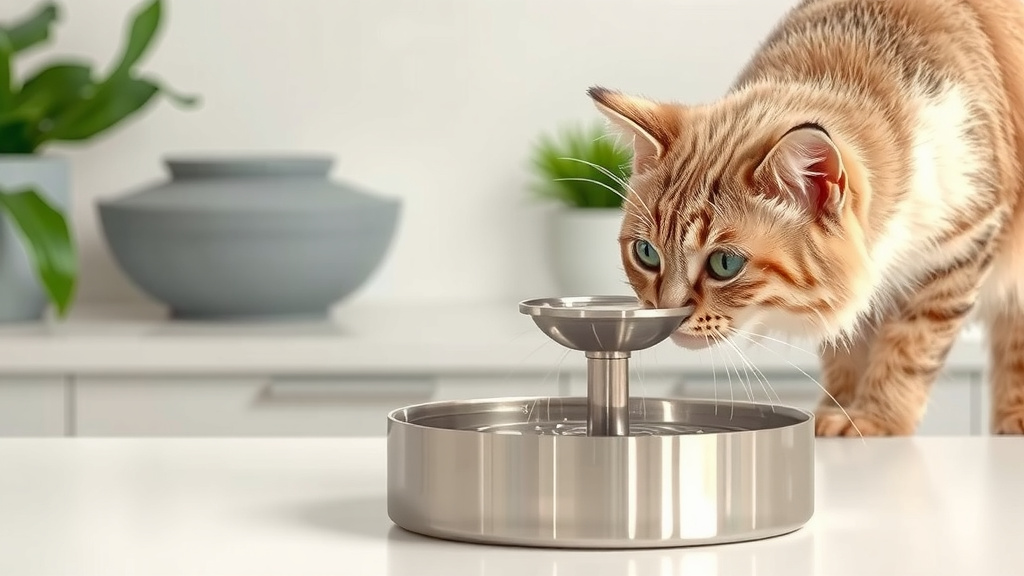
The easiest way to clean a stainless steel cat water fountain is to take it apart and wash every piece in warm, soapy water every one to two weeks. You should never put the motor or pump in the dishwasher, and you need to remove mineral buildup with a little white vinegar. This keeps the water fresh, the pump running smoothly, and your cat healthy and hydrated.
Stainless steel is a great choice for fountains because it’s durable and less likely to harbor bacteria than plastic. However, we found that hard water and cat saliva can still leave a slimy film and crusty deposits. A quick daily rinse and a weekly deep clean are the secrets to keeping that shiny surface spotless and the motor working like new.
- Clean it weekly: Disassemble the fountain completely and wash all parts with hot, soapy water.
- Never submerge the pump: Wipe the pump motor with a damp cloth instead of dunking it in water.
- Use vinegar for buildup: Soak the stainless steel parts in white vinegar to dissolve hard water scale.
- Rinse everything thoroughly: Make sure no soap or vinegar residue is left behind before reassembling.
- Replace the filter: Swap out the sponge filter every 2 to 4 weeks to keep the water tasting clean.
Below, we break down exactly how to clean your stainless steel cat water fountain step by step, plus the common mistakes you’ll want to avoid to keep that pump running for years.
Getting Your Stainless Steel Fountain Sparkling Clean
You want a clean fountain, but you also want to keep your cat safe. The good news? Research shows that stainless steel resists bacterial growth better than plastic, which makes it a top choice for pet health (NCBI). Still, even the best material needs regular attention. Think of this as a simple chore, like wiping down your kitchen counters. Once you get the hang of it, the whole process takes less than ten minutes.
Why Stainless Steel Needs a Specific Cleaning Method
Stainless steel is tough, but it’s not indestructible. Harsh scrubbing pads can scratch the surface, leaving tiny grooves where bacteria love to hide. Also, hard water leaves white, crusty mineral spots that soap alone won’t touch. We found that understanding these two quirks helps you choose the right tools and avoid frustration.
What You’ll Need Before You Start
Gathering your supplies first makes the job painless. You probably already have most of these items in your kitchen. Here is your cleaning kit:
- A soft sponge or microfiber cloth (never steel wool)
- Mild dish soap (free of dyes and strong perfumes)
- White vinegar (for tackling mineral buildup)
- A small soft-bristled brush (a clean baby toothbrush works great)
- A bowl or sink filled with warm water
Step-by-Step Plan for a Deep Clean
Follow this simple routine every single week. We suggest setting a reminder on your phone, like you do for watering your plants. Consistency is the secret to preventing slimy films and stubborn scale.
Step 1: Unplug and Disassemble the Fountain
Safety first. Always pull the plug before you touch anything near the water. Then, carefully take the fountain apart. Remove the pump, the filter, and any plastic tubing or spout pieces. Place the motor and electrical parts to the side on a dry towel. You’ll handle them separately.
Keep Track of Small Parts
Those little rubber feet and O-rings are easy to lose down the drain. We recommend placing all the small parts in a mesh bag or a colander. This way, they get washed, but they can’t disappear. Your future self will thank you.
Step 2: Wash the Bowl and Lid in Soapy Water
Fill your sink with hot water and add a squirt of dish soap. Use your soft sponge to wash every inch of the stainless steel bowl, the lid, and the top tier. Pay special attention to corners and seams where biofilm builds up. Rinse each part thoroughly under running water. You want zero soap residue, as it can upset your cat’s stomach.
Step 3: Tackle the Tricky Water Spots
Does your fountain look cloudy or crusty after drying? That is hard water scale. Soap won’t solve this problem. Instead, use white vinegar. The acidity dissolves the minerals without scratching the metal.
How to Soak the Stainless Steel Parts
Mix one part white vinegar with two parts warm water in your sink. Submerge the stainless steel bowl and lid for about 10 to 15 minutes. After soaking, scrub gently with your sponge. You will see the mineral buildup lift right off. Rinse everything again with clean, hot water.
Cleaning the Pump Without Ruining It
This is the most common mistake we see. Do not run the pump under the faucet. Do not drop it in the soapy sink. Water inside the motor can cause a short circuit. Instead, wipe the outside of the pump with a damp soapy cloth. If the pump intake looks clogged, use your soft brush to gently dislodge the gunk. Many expert guides confirm that keeping the pump shaft clean is key to longevity (PetMD).
Step 4: Rinse and Air Dry Completely
After cleaning and vinegar soaking, a final rinse is non-negotiable. We recommend running fresh water over every piece for at least 30 seconds. Then, place all the parts on a clean drying rack. Let them air dry completely. Residual moisture can breed bacteria, so wait until everything is dry to the touch.
Common Mistakes That Damage Your Fountain
We want you to avoid making these errors that cost you money in replacement parts. Many people unknowingly use the wrong technique and cause permanent damage. Let’s look at the biggest offenders.
Putting the Pump in the Dishwasher
It seems convenient, but it is a disaster waiting to happen. The high heat and harsh detergents can melt the internal seals. This ruins the motor and voids the warranty. Always wash the pump by hand.
Using Abrasive Cleaners or Bleach
Bleach is toxic for your cat, even in tiny residues. Abrasive powders scratch the bowl’s surface. Once scratched, stainless steel becomes a magnet for bacteria and your cat’s favorite hiding place for grime. Stick to mild soap and vinegar.
Skipping the Daily Rinse
You wash your dishes, right? Your cat’s fountain gets slimy from saliva. A quick daily rinse keeps the weekly deep clean much easier. Just pour out the old water, rinse the bowl under the tap, and fill it fresh. This takes 30 seconds and makes a huge difference.
Choosing the Right Filter and Maintaining Water Quality
The water pump and the filter work together as a team. The pump moves the water; the filter catches hair and debris. If you neglect the filter, the water will taste bad, and your cat might stop drinking altogether. Dehydration is a serious health risk for felines, so keeping the water enticing is crucial (Cornell Feline Health Center).
How Often to Swap Out the Filter
Most manufacturers recommend changing the filter every two to four weeks. If you have multiple cats or a very hairy breed, change it more often. A clogged filter reduces water flow, which makes the pump work harder and burn out faster.
Freshening Up the Water Between Cleanings
Do not just “top off” the water. Stagnant water and old saliva accumulate in the lower basin. We recommend fully emptying the fountain and adding fresh water every two days. This simple habit keeps the water oxygenated and clean.
Quick Reference: Weekly Cleaning Routine Checklist
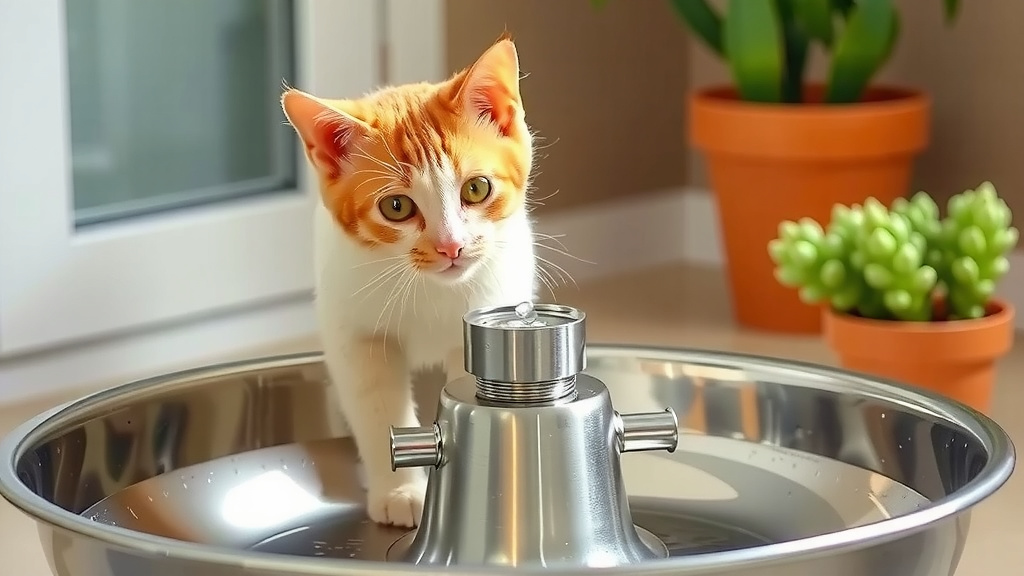
Here is a handy list you can screenshot or print out. Keep it near your fountain or on the fridge. Soon, this routine will feel automatic, and you’ll do it without even thinking.
- Unplug the fountain and remove the pump and filter.
- Hand wash all non-electrical parts in warm, soapy water.
- Soak parts in a vinegar solution to dissolve mineral scale.
- Wipe down the pump motor with a damp cloth only.
- Rinse every piece thoroughly to remove soap and vinegar residue.
- Air dry completely before reassembling and adding fresh water.
When to Replace Your Stainless Steel Fountain
Stainless steel is built to last, but even the best items wear out. If you notice rust spots, deep scratches, or a persistent odor after cleaning, it is time for a new one. Also, if the pump makes a loud grinding noise even after a vinegar soak, the motor might be dying. Replacing a worn fountain is cheaper than a vet visit related to poor water intake.
Take a look at your fountain today. Does it have any areas that feel rough? Are there spots you can’t get clean? If you answered yes to either, consider upgrading. Your cat deserves a fresh, clean water source that makes staying hydrated easy. A clean fountain encourages your cat to drink more, which prevents urinary tract issues down the road.
Conclusion
Keeping your stainless steel cat fountain clean doesn’t have to be a chore. You now know that a quick daily rinse plus a weekly deep clean keeps your cat’s water fresh and your pump running smoothly. Stick to mild soap, white vinegar for hard water spots, and never put the motor in water or the dishwasher. These simple habits protect your investment and your cat’s health.
Set a reminder on your phone for this Sunday. Take apart your fountain, gather your soft sponge and vinegar, and give it a thorough clean. Your cat will notice the difference in taste and freshness right away. A little effort each week means a healthier, happier cat and a fountain that lasts for years.
Frequently Asked Questions
Can I use baking soda to clean my stainless steel cat fountain?
Yes, baking soda works well for stubborn grime. Make a paste with a little water and gently scrub with a soft sponge. Just be sure to rinse every piece completely so no gritty residue remains.
Why does my cat’s fountain get slimy after just a few days?
That slimy film comes from your cat’s saliva mixing with bacteria in the water. It builds up fast, especially in warm conditions. A daily rinse breaks up the biofilm before it gets out of hand.
Is it safe to clean the fountain with vinegar while the pump is still inside?
No, you should always remove the pump before using vinegar. The acid can damage the motor’s internal seals over time. Take the pump out, wipe it with a damp soapy cloth, and handle the stainless steel parts separately.
How do I get rid of that metallic taste from a new stainless steel fountain?
Wash all parts with warm soapy water, then rinse well. After that, fill the fountain with a 50/50 mix of white vinegar and water and let it run for about 10 minutes. Empty, rinse, and refill with fresh water.
Can I use a water conditioner or additive to reduce mineral buildup?
Some pet-safe water additives can help reduce scale, but they won’t replace regular cleaning. You still need to wipe down the bowl and soak parts in vinegar weekly. Check with your vet before adding anything to your cat’s drinking water.