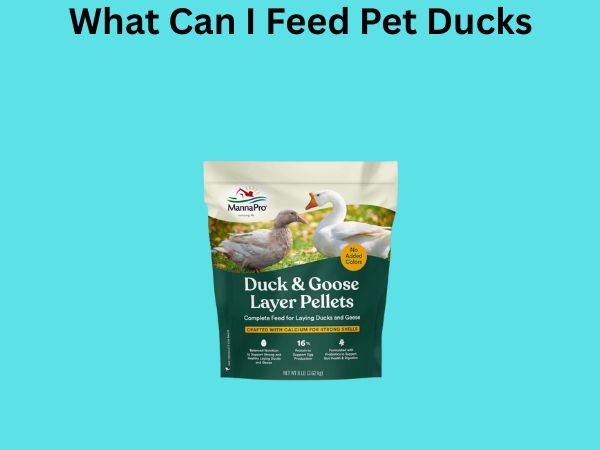
What Can I Feed Pet Ducks? The Complete Safe Foods and Feeding Guide
If you’ve recently brought home some adorable pet ducks, you’re probably wondering what exactly you should be putting in their food bowls. It’s a question that deserves a thoughtful answer because, honestly, duck nutrition is more nuanced than you might think. These charming waterfowl have specific dietary needs that differ from chickens, geese, or other poultry you might be familiar with.
In this comprehensive guide, we’re going to explore everything you need to know about feeding your pet ducks. We’ll cover safe foods, harmful substances to avoid, seasonal feeding strategies, and practical tips that’ll make you feel confident every time you feed your flock.
Understanding Duck Nutritional Needs
Before we dive into the specifics of what to feed your ducks, let’s talk about what they actually need nutritionally. Think of it like this: just as humans need a balanced diet with carbohydrates, proteins, and fats, ducks need a similar balance to thrive.
Ducks require adequate protein for muscle development and egg production if you have females. They also need vitamins and minerals like calcium, phosphorus, and niacin. The amount varies depending on whether your ducks are ducklings, laying hens, or meat birds, but the fundamental principle remains the same: balance is key.
Protein Requirements
Ducklings need about 20 to 22 percent protein in their diet during their first few weeks of life. Adult ducks typically need around 15 to 16 percent protein, though laying ducks benefit from slightly higher amounts, around 16 to 18 percent. This protein supports everything from feather growth to egg production.
Energy and Fats
Ducks are active birds, and they need sufficient calories to maintain their energy levels. They naturally seek out foods high in healthy fats, especially during colder months when they need extra insulation and warmth. However, too much fat can lead to obesity, so moderation is crucial.
The Best Commercial Feed Options for Your Flock
The easiest way to ensure your ducks get balanced nutrition is through quality commercial duck feed. But here’s the thing: not all poultry feeds are created equal, and using chicken feed exclusively isn’t ideal for ducks.
Waterfowl Starter Feed
If you’re raising ducklings, waterfowl starter feed is your best friend. This specialized formulation includes the higher niacin levels that ducklings require—something chicken starter feeds often lack. Niacin is essential for preventing leg problems and ensuring proper growth. Feed this from hatching until about two to three weeks of age.
Waterfowl Grower Feed
As your ducklings mature, transition them to grower feed, which typically contains 16 to 18 percent protein. This stage lasts from about three weeks until they reach laying age or market weight, depending on your purpose for raising them.
Layer Feed for Adult Ducks
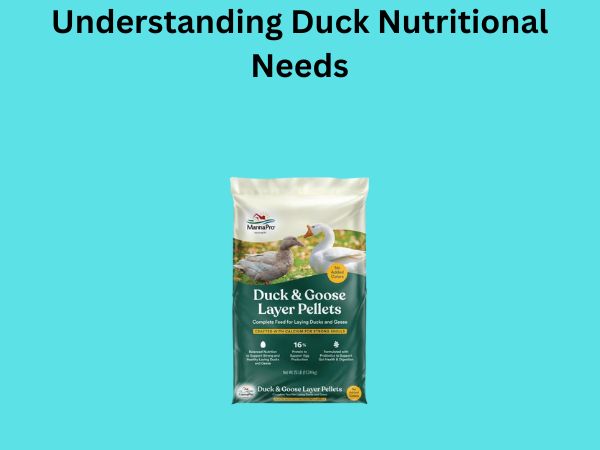
Once your ducks reach laying age (usually around 16 to 20 weeks), switch to a quality layer feed designed for waterfowl. This feed contains the calcium and other nutrients necessary for strong eggshell production. Duck layer feed typically has around 16 percent protein and adequate calcium levels.
Maintenance or Flock Raiser Feed
If you have a mixed flock with both layers and non-layers, or if your ducks aren’t producing eggs, a maintenance feed works well. This provides balanced nutrition without excess calcium that non-laying ducks don’t need.
Safe Vegetables Your Ducks Can Enjoy
Vegetables are wonderful supplements to your duck’s diet, providing essential vitamins, minerals, and fiber. Your ducks will likely waddle over eagerly when they see you with vegetable scraps.
Leafy Greens
Lettuce, kale, spinach, and other leafy greens are safe and nutritious for ducks. They love pecking at these, and greens provide valuable vitamins without adding significant calories. You can offer them fresh or slightly wilted—ducks aren’t picky eaters when it comes to greens.
Root Vegetables
Carrots, beets, parsnips, and turnips are all excellent choices. You can feed them raw or cooked, though raw is generally fine. Many duck owners enjoy watching their birds dig for root vegetables, which also provides enrichment and natural foraging behavior.
Squash and Pumpkins
These are particularly great seasonal treats, especially in fall. Ducks absolutely love pumpkin flesh, and it’s packed with beneficial nutrients. You can even let them have the seeds—they’re completely safe and provide protein and healthy fats.
Cucumbers and Melons
These watery vegetables are perfect for hot days when your ducks need extra hydration. They’re low in calories but high in water content, making them refreshing treats during summer months.
Corn and Peas
Both fresh and frozen corn and peas are safe for ducks. They’re slightly higher in calories than leafy greens, so offer them in moderation. Frozen vegetables work just fine and can be particularly soothing during hot weather.
Fruits Your Ducks Will Absolutely Love
Fruits are nature’s candy, and your ducks will treat them that way. However, most fruits are high in natural sugars, so they should be offered as treats rather than dietary staples.
Berries and Small Fruits
Grapes, blueberries, strawberries, and raspberries are all safe and nutritious. Your ducks will love pecking at these, and they’re packed with antioxidants. You can serve them whole, and your ducks will have fun hunting for them in their enclosure.
Melons and Stone Fruits
Watermelon, cantaloupe, and similar melons are safe. Ducks also enjoy peaches, plums, and apples. For apples, make sure to remove the seeds, as apple seeds contain cyanogenic compounds. The flesh is completely safe though.
Bananas and Other Tropical Fruits
Bananas are safe for ducks and provide good potassium levels. However, because they’re calorie-dense, offer them sparingly. Other tropical fruits like mangoes and papayas are also safe but should be treats only.
Protein-Rich Foods Beyond Commercial Feed
If you want to supplement your duck’s protein intake naturally, several food options work wonderfully.
Insects and Larvae
This is where ducks truly shine. They naturally forage for insects, and these are protein powerhouses. Crickets, mealworms, earthworms, and black soldier fly larvae are all fantastic sources of protein. If you have access to a yard or pond, your ducks will find plenty naturally.
Fish and Seafood Scraps
Ducks love fish, and it provides excellent protein and omega-3 fatty acids. You can offer cooked fish scraps or even raw fish in moderation. Just ensure there are no bones that could be choking hazards.
Eggs
Yes, you can feed your ducks eggs, including their own eggs. Cooked eggs provide excellent protein, but avoid feeding raw eggs as it can encourage egg-eating behavior in your flock. Scrambled or boiled eggs are perfect.
Legumes and Beans
Cooked beans and lentils are safe and nutritious for ducks. Always cook them thoroughly, as raw beans contain compounds that can be harmful. Cooked beans are excellent protein sources and can be mixed into their regular feed.
Grains and Seeds Safe for Ducks
Grains form a natural part of a duck’s diet and can be offered as supplements or treats.
Common Grains
Oats, barley, wheat, and corn are all safe for ducks. These can be offered cooked or raw, though cooked grains are easier to digest. Cracked corn is particularly popular, though it should be offered in moderation as it’s calorie-dense and lower in protein than commercial feeds.
Seeds
Sunflower seeds, millet, and other small seeds are safe and enjoyed by ducks. Sunflower seeds are especially good sources of healthy fats and vitamins. You can scatter seeds on water or land—ducks will enthusiastically hunt for them.
Sprouted Grains
Sprouted grains are incredibly nutritious, containing increased vitamins and minerals compared to dry grains. If you’re willing to sprout grains at home, your ducks will benefit from the enhanced nutrition.
Foods to Absolutely Avoid Feeding Your Ducks
Not everything is safe for ducks, and some foods can cause serious health problems. Let’s talk about what you should never feed your flock.
Toxic Plants and Seeds
Avocado contains persin, which is toxic to ducks. Similarly, chocolate contains theobromine, which ducks cannot process safely. Salt and high-sodium foods should be avoided as they can cause kidney damage in waterfowl. Avoid feeding any moldy or spoiled food, as mold can produce dangerous toxins.
Pesticide-Treated Foods
Never feed ducks fruits or vegetables that have been treated with pesticides unless you’ve thoroughly washed them. Better yet, source organic produce when possible. Ducks are susceptible to pesticide accumulation, which can harm their long-term health.
Bread and Processed Foods
While many people feed ducks bread, it’s not ideal. Bread provides little nutritional value and is mostly empty calories. Additionally, moldy bread is dangerous. If you must offer bread, make sure it’s fresh and feed it sparingly as a treat only.
Medications and Harmful Substances
Never intentionally feed your ducks medications meant for other animals, and keep pesticides, herbicides, and cleaning products far away from areas where ducks feed or drink.
Establishing a Proper Feeding Schedule
Consistency matters when feeding ducks. They thrive on routine, and a proper schedule ensures they receive adequate nutrition throughout the day.
Daily Feeding Amounts
Adult ducks typically need about 150 to 170 grams of feed per day, depending on their size, breed, and whether they’re laying. A good rule of thumb is to provide enough feed that they’ll finish in about 15 to 20 minutes. Ducklings need smaller amounts more frequently—usually three to four meals daily until they’re several weeks old.
Meal Timing
Feed your ducks in the morning after they’ve had access to water. Many duck owners feed again in the afternoon or evening. Consistency is important—ducks will expect food at roughly the same times each day.
Adjusting for Activity Levels
If your ducks have access to a pond or yard where they can forage, they’ll naturally supplement their diet with insects, plants, and other natural foods. In this case, you might reduce commercial feed quantities slightly. Conversely, ducks in confined spaces rely entirely on what you provide.
Water and Hydration: Just as Important as Food
Here’s something many new duck owners underestimate: water is absolutely critical for duck health. Ducks aren’t just water-loving birds; they need water for drinking, cleaning their eyes and nostrils, and maintaining overall health.
Fresh Water Daily
Provide clean, fresh water constantly. Ducks will drink throughout the day, and their water should be changed daily to prevent bacterial growth and contamination. If you live in cold climates, ensure water doesn’t freeze completely during winter.
Water for Eating
Ducks need water when eating to help with digestion. They naturally dunk their feed in water, so having water available during feeding times is important. Some people provide a shallow bowl of water specifically for eating.
Optional Water Features
While ducks don’t require a large pond, access to water for swimming and diving is wonderful for their physical and mental health. Even a large tub or kiddie pool provides significant enrichment and allows them to express natural behaviors.
Seasonal Feeding Considerations
Duck nutrition needs shift with the seasons, and being aware of these changes helps you adjust their diet appropriately.
Winter Feeding Adjustments
During cold months, ducks need extra calories to maintain body heat. Increase their portions of calorie-dense foods like cracked corn and grains. Your ducks will naturally develop thicker feathers, but the extra food helps them stay warm and healthy through freezing temperatures.
Spring and Summer Feeding
As temperatures rise, your ducks will naturally forage more and may eat less commercial feed. This is perfectly fine as long as they’re healthy and maintaining weight. Increase access to fresh vegetables and fruits to provide hydration and nutrients.
Breeding Season Nutrition
If you’re breeding ducks, increase protein intake a few weeks before breeding season begins. Laying ducks especially need higher protein and calcium levels to produce healthy eggs and maintain their health during egg production.
Treats and Snacks Done Right
Treats are fun and can strengthen your bond with your ducks, but they should never replace balanced nutrition from commercial feed and vegetables.
Treat Guidelines
Treats should make up no more than 10 percent of your duck’s daily caloric intake. This ensures they’re still consuming adequate nutrition from their primary diet. Too many treats can lead to obesity and nutritional imbalances.
Healthy Treat Ideas
Instead of unhealthy options, offer treats like watermelon pieces on hot days, vegetable scraps from your kitchen, mealworms as a protein boost, or sprouted grains. These provide nutrition and enrichment without the empty calories of bread or processed foods.
Making Treats Interactive
Hide treats in their enclosure or float them in their water to encourage natural foraging behaviors. This keeps your ducks entertained and mentally stimulated, which contributes to overall well-being.