How Much to Feed a Pet Rabbit: Portion Guide
Feeding your pet rabbit the right amount is key to their health. A good rule of thumb is to offer about 1/4 cup of high-quality rabbit pellets per 5 lbs of body weight daily. Always provide unlimited fresh hay and a serving of leafy greens each day. This approach ensures your bunny gets essential nutrients.
Beyond pellets, hay forms the backbone of a rabbit’s diet. It aids digestion and prevents dental issues. Leafy greens offer vitamins and minerals. Monitoring your rabbit’s weight and adjusting portions based on their activity level and health is also important.
- Feed about 1/4 cup of pellets per 5 lbs of body weight daily.
- Unlimited access to fresh hay is essential for digestion and teeth.
- Offer a daily portion of fresh leafy greens.
- Adjust portions based on your rabbit’s weight and activity.
Let’s break down exactly how much of each food type your rabbit needs for a happy, healthy life.
Understanding Your Rabbit’s Portion Needs
Figuring out how much to feed your adorable bunny can feel like a puzzle. You want them to be happy and healthy, right? It’s a balance between giving them enough to thrive and avoiding overfeeding. We’ve found that a good starting point is to consider their weight and age. This guide will help you dial in the perfect portions for your furry friend.
The Foundation: Hay, Hay, and More Hay!
When we talk about feeding rabbits, hay is the undisputed champion. It’s not just a filler; it’s the bedrock of their digestive health. Think of it like roughage for humans – it keeps everything moving smoothly through their system. Experts agree that hay should make up about 80% of your rabbit’s diet (American Rabbit Breeders Association).
Why So Much Hay?
Several key reasons make hay indispensable:
- Digestive Health: The high fiber content in hay is crucial for a rabbit’s sensitive digestive tract. It helps prevent serious issues like GI stasis, where the gut slows down or stops completely. This condition can be life-threatening.
- Dental Care: Rabbit teeth never stop growing! Chewing hay wears their teeth down naturally. If their teeth aren’t kept in check, they can grow too long, causing pain and difficulty eating.
- Enrichment: Rabbits naturally spend a lot of time foraging and chewing. Providing hay gives them something appropriate to do, preventing boredom and destructive behaviors.
How Much Hay is “Unlimited”?
For adult rabbits, “unlimited” means they should always have a fresh supply. A good rule of thumb is to offer a pile of hay that’s at least as big as your rabbit daily. If you can, measure it out: aim for about one to two inches of fresh hay on top of their regular pellet and green servings every day. You should also have a hay rack or place a generous amount in their litter box, as they love to eat while they potty!
Which Hay is Best?
For adult rabbits, a grass-based hay is ideal. Timothy hay is the most common and highly recommended choice. Orchard grass and oat hay are also excellent options. Alfalfa hay is higher in calcium and protein and is generally only recommended for young, growing rabbits or nursing mothers. We’ve found that offering a mix of different grass hays can also be beneficial and keep things interesting for your rabbit!
Pellets: The Nutrient Boost
Pellets are like a vitamin supplement for your rabbit. They provide concentrated nutrients that might be harder to get solely from hay and greens. However, too many pellets can lead to obesity and other health problems. It’s all about moderation here.
Choosing the Right Pellets
Look for plain, high-fiber pellets. Avoid any mixes that contain seeds, nuts, dried fruit, or colorful bits. These are essentially junk food for rabbits and can lead to an unhealthy diet. The best pellets are typically made from Timothy hay for adult rabbits and should have a fiber content of 18% or higher. Protein should be around 14-16%, and fat content below 3% (House Rabbit Society).
Portioning Pellets by Weight
As mentioned in the intro, a general guideline is about 1/4 cup of pellets per 5 pounds of body weight daily for adult rabbits. However, this can vary. Some rabbits need a little more, and some need less.
Here’s a quick breakdown you can use:
| Rabbit Weight | Daily Pellet Portion (Approx.) |
|---|---|
| 2-3 lbs | 1/8 cup |
| 4-5 lbs | 1/4 cup |
| 6-7 lbs | 3/8 cup |
| 8-10 lbs | 1/2 cup |
Remember, these are just starting points. Your veterinarian can provide the most accurate recommendations based on your rabbit’s specific needs.
When to Adjust Pellet Portions
Factors like age, activity level, and reproductive status play a role. For example, a very active young rabbit might need slightly more pellets than a sedentary older one. Nursing mothers will also require more. If your rabbit is overweight, you’ll need to reduce their pellet intake. Conversely, if they seem underweight and are otherwise healthy, a small increase might be warranted. We always recommend discussing any significant changes with your vet.
Fresh Leafy Greens: Vitamins and Variety
Leafy greens are a wonderful source of vitamins, minerals, and hydration. They add variety and encourage natural foraging behaviors. Think of them as your rabbit’s daily salad bar!
How Much is Enough Greens?
For adult rabbits, aim for about 1 cup of packed leafy greens per 2 pounds of body weight per day. This can be offered in one or two servings throughout the day. It’s best to divide this amount into at least three different types of greens to ensure a broad range of nutrients.
Great Greens for Your Rabbit
A safe and healthy rotation of greens might include:
- Romaine lettuce (avoid iceberg, as it has little nutritional value)
- Kale (in moderation, due to high calcium)
- Spinach (in moderation, due to high oxalates)
- Dandelion greens (make sure they are pesticide-free!)
- Parsley
- Cilantro
- Mint
- Basil
- Arugula
Always introduce new greens one at a time and in small amounts to watch for any digestive upset.
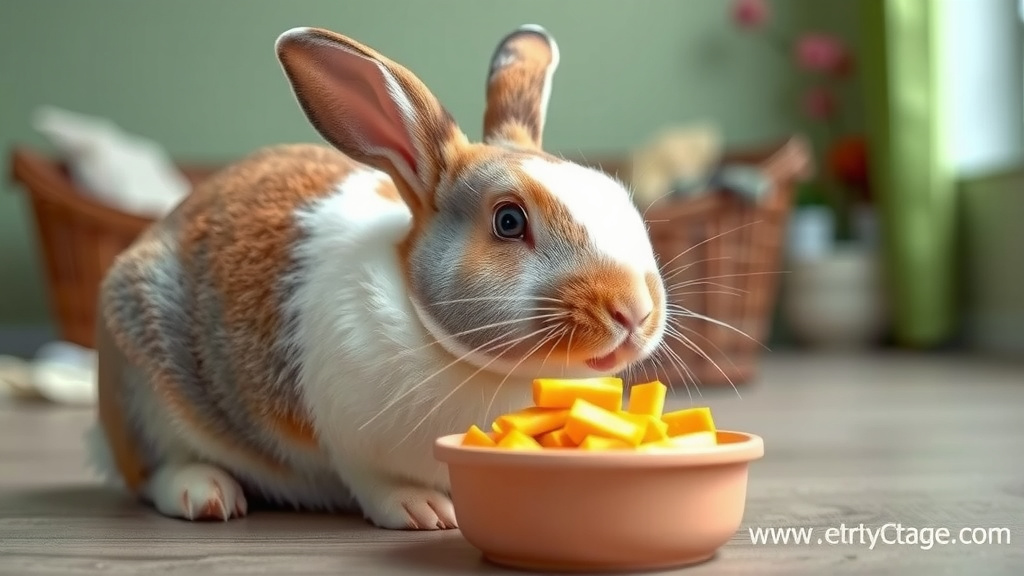
Treats: A Little Goes a Long Way
While it’s tempting to spoil your bunny, treats should be given sparingly. They are not a dietary staple and too many can cause health problems like obesity, digestive issues, and tooth decay.
Healthy Treat Options
When you do want to offer a treat, opt for:
- Small pieces of rabbit-safe fruits (apple slices without seeds, berries, banana slices) – limit to 1-2 tablespoons per day maximum.
- Small pieces of carrot – also limit due to sugar content.
Remember, a small piece of a favorite leafy green can also be a treat for your rabbit!
Monitoring and Adjusting
The best way to know if you’re feeding your rabbit the right amount is to observe them. Are they maintaining a healthy weight? Is their coat shiny? Are they active and alert? If you notice your rabbit gaining too much weight, you might need to reduce their pellets and increase their hay. If they seem thin, ensure they have constant access to hay and consider slightly increasing pellets or offering a wider variety of healthy greens, after consulting your vet.
Here’s a quick checklist to help you stay on track:
- Always provide fresh hay.
- Measure pellets carefully.
- Offer a variety of leafy greens daily.
- Limit treats significantly.
- Monitor your rabbit’s weight regularly.
- Consult your vet for personalized advice.
Conclusion
You’ve learned the essentials for feeding your rabbit a balanced diet. Remember that hay is the star, making up most of their food for good digestion and healthy teeth. Pellets offer a nutrient boost, but portion control is key. Fresh greens provide vitamins and hydration, while treats should be very limited. By observing your rabbit and making slight adjustments, you’ll keep them happy and healthy. Your next step is to review your rabbit’s current food portions and make any necessary changes based on this guide.
Frequently Asked Questions
How often should I give my rabbit fresh greens?
You should offer fresh leafy greens daily, ideally in one or two servings. Aim for about 1 cup of packed greens per 2 pounds of your rabbit’s body weight each day.
Can my rabbit eat too much hay?
It’s very difficult for a rabbit to eat too much hay. Hay is high in fiber and essential for their digestive and dental health, so they should always have unlimited access to it.
What kind of pellets are best for adult rabbits?
Look for plain, high-fiber pellets made from Timothy hay. These should have a fiber content of 18% or higher and avoid any mixes with seeds, nuts, or dried fruit.
How do I know if I’m feeding my rabbit too many pellets?
If your rabbit is gaining weight and seems less active, they might be getting too many pellets. Reducing their pellet portion slightly and ensuring they have plenty of hay can help.
Can I feed my rabbit an all-hay diet?
While hay is the most important part of their diet, adult rabbits also benefit from a small amount of high-quality pellets and a variety of fresh leafy greens for essential vitamins and minerals.