How Much to Feed Pet Rats: Portion Guide
Determining how much to feed pet rats involves understanding their age, activity level, and specific dietary needs. Generally, adult rats eat about 15-20 grams of food per day, split into one or two meals. Younger rats, growing rapidly, may need slightly more, while older or less active rats might eat a little less. It’s always best to monitor your rat’s weight and adjust portions as needed to maintain a healthy body condition.
Providing the right portion sizes is key to your rat’s overall well-being. Overfeeding can lead to obesity and related health issues, while underfeeding can cause malnutrition. Research suggests a balanced diet, combined with appropriate portions, helps ensure your pet rat enjoys a long and happy life. We found that consistent feeding times also help regulate their digestion.
- Adult rats typically eat 15-20 grams daily.
- Adjust portions based on age, activity, and weight.
- Monitor your rat’s body condition regularly.
- Obesity is a common health concern in pet rats.
- Consistent feeding schedules support good digestion.
Let’s walk through exactly how to figure out the perfect amount of food for your own little squeakers.
Understanding Your Rat’s Daily Food Needs
Figuring out the right amount of food for your pet rat is simpler than you might think. It boils down to a few key factors: age, activity level, and overall health. We found that most adult rats thrive on about 15 to 20 grams of food each day. Think of it like planning meals for yourself; you wouldn’t give a marathon runner the same portion as someone relaxing at home, right?
Age Matters: From Pipsqueaks to Seniors
Your rat’s age plays a big role in their appetite. Baby rats, or “pipsqueaks,” are growing like weeds! They need plenty of fuel to develop strong bones and muscles. We found that young, rapidly growing rats may eat a bit more per pound than their adult counterparts. Keep a close eye on their energy levels and growth. If they seem hungry, offering a little extra is often a good idea.
As rats reach adulthood, their energy needs stabilize. This is when the 15-20 gram daily range typically applies. Senior rats, however, might start to slow down. Their metabolism can change, and they may not need quite as many calories. You might notice your older friend eating a little less, and that’s perfectly normal. Just ensure they are still maintaining a healthy weight. Many experts suggest regular weigh-ins are essential for all life stages (Veterinary Partner).
The Growing Phase: More Fuel Needed
From weaning until they are about six months old, rats are in their prime growth spurt. Their bodies are working overtime to build structure. You may need to increase their food intake slightly during this period. It’s about providing enough building blocks for healthy development. Don’t be alarmed if they seem to be eating more than a fully grown rat.
Senior Years: Adjusting for a Slower Pace
Once your rat enters their senior years, usually around 18 months to 2 years, their activity often decreases. This means they might require fewer calories. Your feeding should adjust to prevent weight gain. It’s a balancing act, ensuring they get enough nutrients without excess calories. We found that a slight reduction in portion size is often sufficient.
Activity Level: The Energizer Bunny vs. The Couch Potato
Just like us, a rat’s daily activity level directly impacts how much food they need. Is your rat a furry whirlwind, constantly exploring and playing? Or are they more of a relaxed companion, happy to snooze in a hammock? An active rat burns more calories throughout the day.
If your rat is super energetic, they might naturally eat at the higher end of the suggested portion range. They need that extra energy to fuel their adventures! Conversely, a less active or older rat will require fewer calories. We found that making sure your rat gets enough exercise helps them maintain a healthy weight and appetite.
Body Condition Score: Your Best Friend’s Weight Watcher
The most reliable way to know if you’re feeding your rat the right amount is to regularly check their body condition. This means learning to feel your rat’s body and assess their weight. You want them to be neither too thin nor too chubby. Think of it as a gentle hug to feel their ribs and spine.
Feeling for Health: A Simple Guide
When you gently feel your rat’s sides, you should be able to feel their ribs without them being sharply visible. You should also be able to feel their spine, but it shouldn’t be sticking out. If you can’t feel their ribs at all, they might be carrying too much weight. If their bones are very prominent, they might be underweight. We found that many pet owners can easily learn to do this with a little practice.
When to Adjust Portions
If you notice your rat is gaining too much weight, it’s time to slightly reduce their food portions. If they seem too thin and you’re concerned, gradually increase their food. It’s always a good idea to consult your veterinarian if you’re unsure about your rat’s weight or body condition. They can provide personalized guidance.
What Kind of Food Should You Be Offering?
The quality and type of food you offer are just as important as the quantity. A high-quality commercial rat food should form the base of their diet. Many experts recommend a pellet formulated specifically for rats, rather than a seed mix. Seed mixes can lead to selective feeding, where rats pick out the tasty bits and leave the nutritious ones.
The Importance of a Balanced Diet
A good rat pellet provides a balanced mix of protein, fats, carbohydrates, vitamins, and minerals. This ensures your rat gets all the nutrients they need for a healthy life. We found that consistent, high-quality food is key to preventing many common health issues in pet rats. Research suggests a diet lacking essential nutrients can lead to skin problems and weakened immunity (The RSPCA).
Beyond Pellets: Healthy Treats
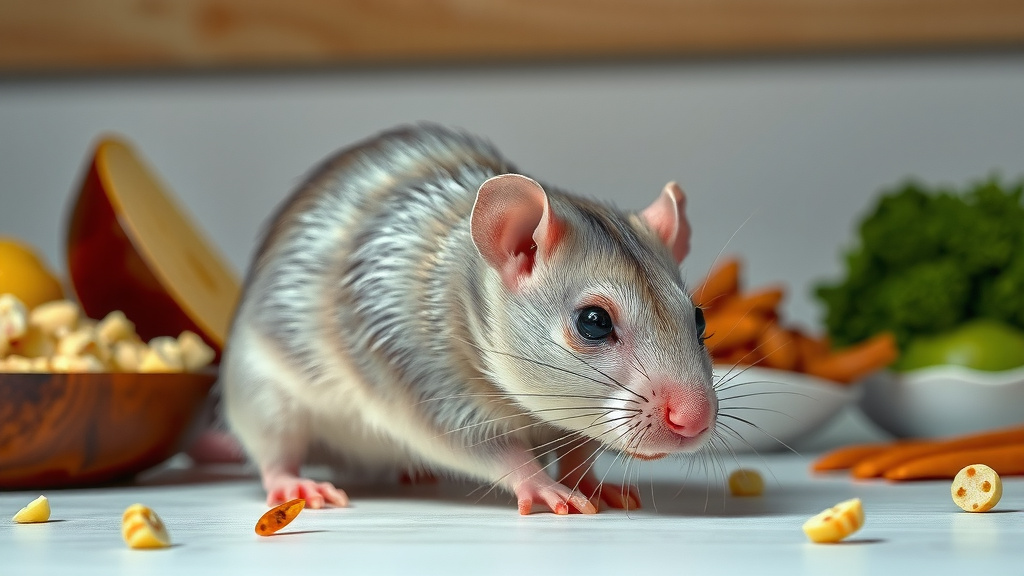
While pellets should be their staple, you can offer small amounts of healthy treats. Fresh vegetables like broccoli, carrots, and peas are great choices. Small pieces of fruit can also be given sparingly. Always introduce new foods slowly and in tiny amounts to avoid upsetting their digestion. Avoid sugary or fatty human foods. Many common human foods can be harmful to rats.
Putting It All Together: Your Feeding Checklist
So, how do you ensure your furry friend is getting just the right amount? Here’s a quick checklist to help you stay on track:
- Weigh your rat regularly to monitor their body condition.
- Offer a high-quality, rat-specific commercial pellet food.
- Measure out approximately 15-20 grams of food daily for adults.
- Adjust portions based on your rat’s age and activity level.
- Observe your rat’s eating habits and energy levels.
- Consult your vet if you have concerns about their weight or diet.
Conclusion
You’ve learned that feeding your pet rat the right amount is a balance of science and observation. We’ve covered the general guidelines for adult rats, remembering that age and activity level will shift those needs. Regularly checking your rat’s body condition is your most reliable tool. By providing a high-quality diet and making small adjustments as needed, you’re setting your furry friend up for a healthy and vibrant life. Now, put this knowledge into practice and enjoy watching your happy, well-fed rat thrive!
Frequently Asked Questions
How can I tell if my rat is overweight?
You can tell if your rat is overweight by feeling their body. You should be able to feel their ribs and spine without them being too prominent. If you can’t feel their ribs easily, they are likely carrying too much weight. Overweight rats may also appear broader around the middle.
Can I feed my rat the same food as my hamster or gerbil?
No, you should not feed your rat the same food as hamsters or gerbils. Rat diets have different nutritional requirements, particularly regarding protein content. A high-quality, rat-specific commercial pellet food is formulated to meet their unique needs for a balanced diet.
What should I do if my rat isn’t eating much?
If your rat is suddenly eating less, monitor their weight and body condition closely. Ensure they have access to fresh water and that their food is appealing. If the reduced appetite persists or you notice other signs of illness, it’s best to consult your veterinarian promptly.
Are treats okay for pet rats, and how much can I give them?
Small, healthy treats like tiny pieces of fruit or vegetables can be given sparingly. These should only make up a very small portion of their overall diet. Always introduce new treats slowly and in tiny amounts to avoid digestive upset. Avoid sugary or fatty human foods.
How often should I feed my pet rat?
Most adult pet rats do well with their daily portion split into one or two meals. Consistent feeding times can help regulate their digestion. It’s more about providing the correct daily total amount rather than a strict schedule, but regularity is beneficial for them.