How Often Should I Feed My Pet Rabbit?
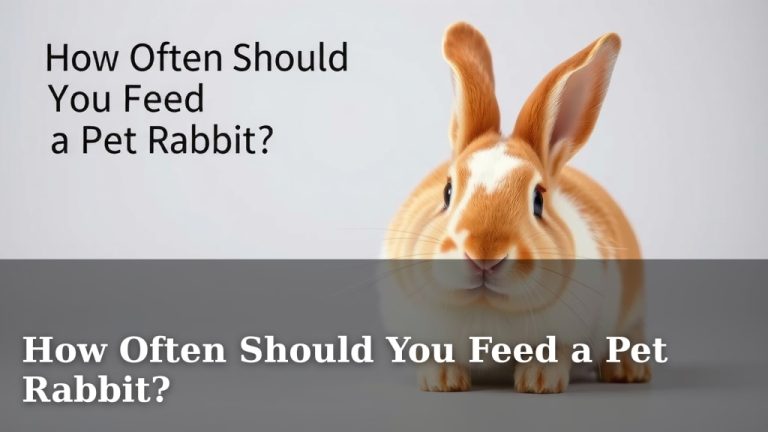
Feeding your pet rabbit the right amount is key to their health. Rabbits need a diet of mostly hay, supplemented with fresh greens and a small amount of pellets. You should offer unlimited fresh hay daily, along with about one cup of leafy greens per two pounds of body weight. A small portion of pellets, roughly 1/8 cup per five pounds of body weight, is also recommended.
Understanding your rabbit’s dietary needs goes beyond just knowing how often to feed them. Their digestive system is quite delicate, and a consistent, appropriate diet prevents common health issues. We found that focusing on hay as the main food source supports their natural foraging behaviors and keeps their gut working smoothly. This approach is highly recommended by veterinary professionals.
- Offer unlimited fresh hay daily.
- Feed about 1 cup of leafy greens per 2 lbs of body weight.
- Provide a small amount of rabbit pellets (approx. 1/8 cup per 5 lbs).
- Fresh water should always be available.
- Avoid sugary treats.
Let’s get into the details of creating the perfect meal plan for your furry friend. We’ll cover what to feed, when to feed it, and why these choices matter for your bunny’s happiness and health.
Crafting Your Rabbit’s Daily Feeding Schedule
Figuring out how often to feed your rabbit is more about what and how much they eat throughout the day. Rabbits are grazers, meaning they nibble throughout the day and night. Their digestive systems are designed for this constant intake. So, instead of strict meal times, think about providing constant access to their main food source.
The Unshakeable Foundation: Hay, Hay, and More Hay
The cornerstone of your rabbit’s diet is unlimited, fresh hay. This should be available at all times. We found that rabbits need constant access to hay to keep their digestive system moving properly. It’s not just about calories; hay provides essential fiber. This fiber is crucial for preventing serious health issues like gut stasis.
Your rabbit should always have a pile of hay in their enclosure. Think of it like their pantry being perpetually stocked. You’ll want to replenish it daily, ensuring it’s clean and fresh. Different types of hay are available, like timothy, orchard grass, or oat hay. A mix can be a good idea, but timothy hay is often recommended for adult rabbits (American Rabbit Breeders Association).
Fresh Greens: A Daily Treat and Nutrient Boost
Once your rabbit is about three to four months old, you can start introducing fresh leafy greens. These offer vitamins, minerals, and hydration. The amount depends on your rabbit’s weight, as mentioned in the introduction. A good rule of thumb is about one cup of greens per two pounds of body weight each day. It’s best to offer a variety of greens.
Introducing New Greens Safely
When introducing new greens, do it one at a time. This helps you monitor for any digestive upset. Some common, safe greens include romaine lettuce, parsley, cilantro, and dandelion greens. Avoid iceberg lettuce, as it has very little nutritional value and can cause diarrhea. Many experts suggest avoiding or strictly limiting gas-producing vegetables like broccoli or cauliflower (House Rabbit Society).
What Greens to Offer and Why
A varied diet of greens is beneficial. For instance, dark, leafy greens like kale and spinach are packed with nutrients. However, they should be given in moderation due to their high vitamin A and calcium content, respectively. We found that a rotation of romaine, green leaf lettuce, and herbs like mint or dill works well for many bunnies.
Pellets: A Supplement, Not a Staple
Rabbit pellets are a concentrated source of nutrients, but they should only make up a small portion of your rabbit’s diet. Overfeeding pellets can lead to obesity and discourage hay consumption. The recommended amount is generally about 1/8 cup per five pounds of body weight daily for adult rabbits. For younger, growing rabbits, the amount might be slightly higher, but it’s always best to consult your vet.
It’s important to choose high-quality pellets. Look for ones that are primarily hay-based with a high fiber content (minimum 18-20%) and moderate protein levels (12-14%). Avoid pellets with added seeds, nuts, or colorful bits, as these are unhealthy treats. We found that plain, high-fiber pellets are the safest bet for long-term health.
| Food Type | Amount | Frequency | Notes |
|---|---|---|---|
| Fresh Hay | Unlimited | Always Available | Timothy, orchard, or oat hay. Essential for digestion. |
| Leafy Greens | 1 cup per 2 lbs body weight | Once Daily | Variety is key; introduce new greens slowly. |
| Pellets | 1/8 cup per 5 lbs body weight | Once Daily (or split into two small portions) | High-fiber, plain pellets only. |
| Fresh Water | Unlimited | Always Available | Clean and fresh, changed daily. |
The Importance of Consistent Water Access
Just like with food, your rabbit needs constant access to fresh, clean water. Dehydration can be very dangerous for rabbits. You can offer water in a heavy ceramic bowl or a sipper bottle. Many owners find that rabbits drink more from a bowl, as it feels more natural to them. Whichever you choose, make sure it’s cleaned and refilled daily.
Timing: When to Offer Supplements
While hay is always available, you can offer the greens and pellets at specific times. Many people give the fresh greens in the morning or evening. Pellets can be given at the same time or split into two smaller servings to mimic a more natural grazing pattern. The key is consistency so your rabbit knows what to expect.
A Sample Feeding Routine
Imagine your rabbit waking up. They’ll likely head straight for their hay. Later in the morning, you might offer their portion of fresh greens. In the evening, you could provide their measured amount of pellets. This routine helps keep their digestive system stimulated throughout the day and night. It’s less about clock-watching and more about providing the right food at the right times.
Treats: Sparingly and Wisely
Occasional treats can be given, but they should be very limited. Small pieces of fruit like apple (no seeds!) or a tiny slice of carrot can be offered once or twice a week. These are high in sugar and should not be a daily part of the diet. We found that training treats made specifically for rabbits, given in tiny amounts, are a safer bet than human foods.
Rethinking “How Often” into “How Much” and “What”
Ultimately, the question isn’t so much about strict feeding times. It’s about ensuring your rabbit has a constant supply of their primary food source – hay. Then, supplementing that with the right amount of greens and pellets. This approach supports their natural behaviors and keeps their delicate digestive systems happy and healthy. Remember, when in doubt, your rabbit-savvy veterinarian is your best resource for personalized dietary advice.
Your Rabbit’s Daily Checklist:
- Hay Check: Is there always fresh hay available?
- Greens Prep: Did you measure out the correct amount of fresh greens?
- Pellet Portion: Is the pellet portion accurately measured?
- Water Refresh: Is their water bowl or bottle clean and full?
- Treat Alert: Were any treats given sparingly and appropriately?
Conclusion
You’ve learned that feeding your rabbit isn’t about strict meal times. It’s about providing constant access to fresh hay, which is their digestive system’s best friend. You can then supplement this with measured amounts of leafy greens and high-fiber pellets. This approach supports your rabbit’s natural grazing behavior and keeps them healthy and happy. By focusing on these key components, you’re setting your bunny up for a long, vibrant life. Your next step is to review your rabbit’s current diet and ensure you’re meeting these essential needs consistently.
Frequently Asked Questions
Can I feed my rabbit treats every day?
It’s best to avoid daily treats for your rabbit. Treats, especially those high in sugar like fruits, should be given sparingly, perhaps once or twice a week. Too many treats can lead to digestive upset and obesity, interfering with their primary diet of hay and greens.
What should I do if my rabbit isn’t eating enough hay?
If your rabbit is showing disinterest in hay, first check its freshness and try offering different types. Ensure their hay is always accessible and plentiful. A decrease in hay consumption can signal a health issue, so it’s wise to consult your veterinarian if the behavior persists.
How do I know if I’m feeding my rabbit the right amount of greens?
A general guideline is about one cup of leafy greens per two pounds of your rabbit’s body weight daily. You can monitor your rabbit’s weight and adjust slightly if needed, always watching for signs of digestive issues. Offering a variety of safe greens is also important for a balanced nutrient intake.
Is it okay to leave pellets in my rabbit’s bowl all day?
No, it’s not recommended to leave pellets available all day. Pellets are a concentrated food source and should be given in a measured amount once or twice daily. Free-feeding pellets can lead to overeating, obesity, and a reduced intake of essential hay.
Should I give my young rabbit different food than an adult?
Yes, young, growing rabbits have slightly different nutritional needs. They may benefit from more protein and calcium, often found in specific young rabbit pellets. However, it’s crucial to transition them slowly to adult rabbit food and consult your veterinarian for tailored advice on feeding your growing bunny.