What Can You Feed a Pet Turtle? A Beginner-Friendly Food Guide
So you’ve decided to bring home a pet turtle. Congratulations on taking on this rewarding responsibility! But now comes the question that’s probably keeping you up at night: what exactly should you feed your shelled friend? If you’re scratching your head wondering whether turtles eat lettuce, meat, or something else entirely, you’re in the right place. I’m here to walk you through everything you need to know about turtle nutrition, and trust me, it’s more nuanced than just tossing some random food into the tank.
Feeding a pet turtle correctly is one of the most crucial aspects of keeping them healthy and happy. Get it right, and your turtle could live for decades. Get it wrong, and you might be looking at serious health issues down the road. The good news? Once you understand the basics, feeding your turtle becomes second nature.
Understanding Your Turtle’s Natural Diet
Before we dive into what you should feed your turtle, let’s talk about what turtles eat in nature. Think of this as understanding the original recipe before you create your own version. In the wild, turtles are opportunistic eaters, meaning they’ll consume whatever is available to them in their environment.
Depending on the species, wild turtles might munch on aquatic plants, insects, small fish, crustaceans, and even carrion. They’re not picky eaters, but they’re also not randomly grabbing everything they see. There’s a method to their madness. Aquatic turtles tend to be more omnivorous than terrestrial turtles, though this varies by species. Some turtles are primarily herbivorous, while others lean heavily toward carnivorous diets.
The key takeaway here is that your pet turtle’s diet should mimic what it would eat in nature as closely as possible. This doesn’t mean you need to set up an elaborate ecosystem in your home, but it does mean you should aim for variety and nutritional balance.
The Three Main Food Categories for Pet Turtles
When it comes to feeding your pet turtle, you’re essentially working with three main food categories. Think of these as the pillars of turtle nutrition. Each plays a vital role in keeping your turtle healthy and thriving.
Category One: Protein-Based Foods
Turtles need protein, and the sources matter significantly. This is where you’ll find both live prey and pre-made options that your turtle can sink its teeth into.
Category Two: Vegetables and Leafy Greens
These are the nutritional powerhouses that keep your turtle’s system running smoothly. Vegetables provide essential vitamins, minerals, and fiber that your turtle can’t get from protein alone.
Category Three: Fruits and Occasional Treats
While fruits can be part of a turtle’s diet, they’re more like the cherry on top of the sundae rather than the main ingredient. They provide nutrients but should be fed sparingly.
Protein Sources: What Your Turtle Actually Needs
Protein is fundamental to your turtle’s diet. It supports muscle growth, shell development, and overall body function. But not all protein sources are created equal, and some are definitely better than others.
Live Prey Options
Many turtle owners swear by live prey. There’s something natural about watching your turtle hunt, and live prey provides mental stimulation as well as nutrition. Here are the best options:
- Crickets: These are probably the most popular live food for turtles. They’re protein-packed and relatively easy to source from pet stores.
- Earthworms: Rich in nutrients and a favorite for many turtle species, earthworms can be found in your garden or purchased from bait shops.
- Small Fish: Feeder fish like guppies and minnows are excellent protein sources. They also provide the added benefit of encouraging natural hunting behavior.
- Shrimp: Freshwater shrimp are nutritious and can be fed live or frozen.
- Snails: If you don’t mind the natural cycle, snails can be a wonderful addition to your turtle tank and provide both food and tank cleaning benefits.
- Dubia Roaches: Though they might sound unappetizing to us, these roaches are nutritious and increasingly popular among turtle keepers.
Pre-Made Protein Options
If live prey isn’t your thing, there are plenty of alternatives. Frozen options are often just as nutritious and eliminate the need to maintain live insects or fish.
- Frozen Fish: Thaw before feeding. Options include anchovies, sardines, and specialized turtle food fish.
- Frozen Shrimp: A solid protein source that many turtles find appealing.
- Canned Fish: In moderation, canned options can work, though fresh is generally better.
- Cooked Chicken: Plain, boneless, and skinless chicken can be offered occasionally, though it’s not a primary food source.
- Turtle Pellets: We’ll discuss these more in depth, but commercial pellets are formulated to provide complete nutrition.
Vegetables and Leafy Greens: The Nutritional Powerhouses
Here’s where a lot of new turtle owners get confused. You might think that because turtles eat meat in nature, they don’t need vegetables. But you’d be wrong. Vegetables are absolutely essential, and they should make up a significant portion of your turtle’s diet, especially as they age.
Best Vegetables for Your Turtle
Not all vegetables are created equal when it comes to turtle nutrition. Some are nutritional gold, while others should be limited.
- Dark Leafy Greens: Collard greens, mustard greens, and turnip greens are excellent choices. They’re low in oxalates, which means your turtle can absorb the calcium they contain.
- Kale: High in calcium and other nutrients, though it should be balanced with other greens.
- Dandelion Greens: If you can find them, these are nutritional powerhouses for turtles.
- Squash: Butternut squash and other varieties provide vitamins and are generally safe.
- Carrots: Both raw and cooked are fine, though they’re higher in sugar so feed moderately.
- Bell Peppers: A colorful addition that many turtles enjoy.
- Zucchini: Low in nutrients but safe and often enjoyed by turtles.
- Pumpkin: Great for fiber and generally well-tolerated.
Vegetables to Limit or Avoid
Just as important as knowing what to feed your turtle is knowing what to limit. Some vegetables are high in oxalates, which bind to calcium and prevent absorption.
- Spinach: While nutritious for humans, spinach is too high in oxalates for regular turtle feeding.
- Swiss Chard: Similar issue to spinach.
- Beet Greens: Also high in oxalates.
- Iceberg Lettuce: Virtually no nutritional value for turtles. It’s mostly water.
Fruits: Treats, Not Staples
Turtles love fruit, and it’s okay to let them enjoy it occasionally. But here’s the thing: fruits are high in sugar and should never become a primary food source. Think of fruit as the dessert in your turtle’s diet.
Safe Fruits for Turtles
- Berries: Strawberries, blueberries, and raspberries are good options in moderation.
- Melon: Watermelon, cantaloupe, and honeydew are mostly water and safe.
- Apple: Occasional apple slices are fine, though remove any seeds.
- Mango: A small piece occasionally is acceptable.
- Papaya: Some turtles enjoy this tropical fruit.
How Often to Offer Fruit
Here’s a general rule of thumb: fruits should make up no more than five to ten percent of your turtle’s diet. For a young, actively growing turtle eating regularly, that might mean fruit once a week or even less. For an adult turtle, similar frequency applies.
Commercial Turtle Pellets: Are They Worth It?
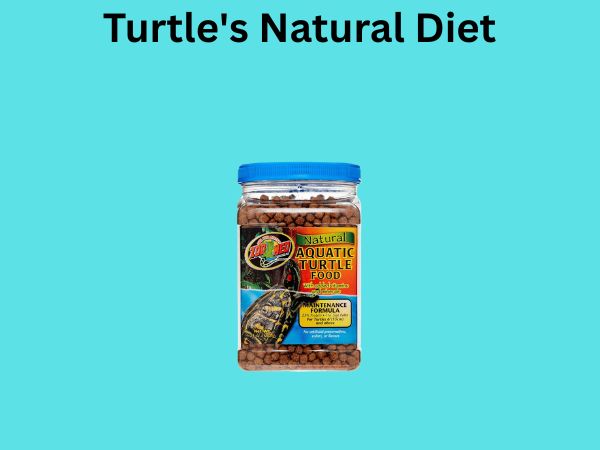
Commercial turtle pellets are a convenient option, and they do have their place in a turtle’s diet. These pellets are formulated to provide balanced nutrition including proteins, vitamins, and minerals. However, they shouldn’t be your turtle’s entire diet.
Choosing Quality Pellets
Not all pellets are created equal. When shopping for turtle food, look for brands that:
- List a protein source as the first ingredient
- Include essential vitamins and minerals
- Are specifically formulated for your turtle’s species
- Don’t rely too heavily on fillers
How Much to Feed
If you’re using pellets as part of your turtle’s diet, they should typically make up about twenty-five percent of the food. The rest should come from vegetables and live or fresh protein sources. This balance ensures your turtle gets variety and maximum nutrition.
Feeding Frequency and Portion Sizes
One of the biggest mistakes new turtle owners make is overfeeding. Turtles are surprisingly good at manipulating their owners into giving them more food. That begging behavior you see? They’re basically asking for dessert, not expressing genuine hunger.
For Young Turtles
Juvenile and young adult turtles are growing rapidly and need more frequent feeding. A general guideline is to feed young turtles every day. The amount should be roughly the size of their head or about what they can consume in fifteen minutes of active eating.
For Adult Turtles
As turtles mature, their growth rate slows, and they don’t need to eat as frequently. Most adult turtles do well with feeding every two to three days. Some keepers prefer a schedule of feeding five days a week, which also gives the turtle’s digestive system regular breaks.
Portion Size Guidelines
A good rule of thumb is to offer an amount of food equal to the size of your turtle’s head. This prevents overfeeding and helps maintain a healthy weight. Remember, a turtle’s shell should fit smoothly within its body, not protrude or bulge excessively.
Foods to Absolutely Avoid
Just as important as knowing what to feed your turtle is understanding what could harm them. Some foods are toxic or dangerous to turtles and should never be offered.
- Avocado: Contains persin, which is toxic to turtles and many other animals.
- Chocolate: Toxic to turtles just as it is to dogs and cats.
- Salt: Turtles cannot process excess salt. Never feed salty foods.
- Processed Foods: Anything made for human consumption with added preservatives, salt, or sugar.
- Dairy: Turtles cannot digest lactose, so no cheese, milk, or yogurt.
- Pesticide-Treated Foods: Always wash vegetables thoroughly or buy organic when possible.
- Raw Beans: Can be toxic to turtles. If you offer beans at all, they must be cooked.
- Rhubarb: High in oxalates and potentially harmful.
- Food Dyes and Additives: Stick to natural, whole foods.
Supplements and Vitamins Your Turtle Needs
Even with a varied diet, most turtles benefit from supplementation. This is especially true if you’re not providing live prey regularly or if your turtle is exclusively eating prepared foods.
Calcium Supplementation
Calcium is absolutely critical for shell and bone health. Without adequate calcium, your turtle can develop metabolic bone disease, a serious condition. Calcium supplements come in powder form and can be dusted onto food.
Vitamin A
Many turtles, especially those eating prepared foods, can become deficient in vitamin A. This can lead to eye problems and respiratory issues. Vitamin A supplements should be provided, but be careful not to overdo it, as excess vitamin A can also be problematic.
Multivitamins
A quality multivitamin designed for reptiles can help fill nutritional gaps. These typically include not just vitamins A and calcium but also other essential nutrients like vitamin D3, which helps with calcium absorption.
How Often to Supplement
A common recommendation is to dust food with calcium two to three times per week and use a multivitamin once weekly. However, always follow the specific product instructions and consult with a reptile veterinarian about your individual turtle’s needs.
Water Quality and Its Role in Nutrition
Here’s something many people don’t consider: the water your turtle lives in directly impacts its nutrition and health. Your turtle absorbs minerals from its water, and poor water quality can actually prevent proper nutrient absorption.
pH and Hardness
Turtle water should ideally have a pH between 6.5 and 8.0, depending on your species. Water hardness is also important, as it affects mineral availability. Hard water naturally contains minerals that support shell and bone health.
Changing Water Regularly
Fresh water isn’t just about cleanliness; it’s also about nutrition. Regular water changes ensure that your turtle has access to clean water without accumulated waste products that could interfere with nutrient absorption.
Seasonal Feeding Changes
Just like wild turtles adjust their diet seasonally, your pet turtle might benefit from seasonal