What Can You Feed Pet Ducks? A Complete Guide to Healthy Duck Nutrition
So you’ve decided to raise pet ducks. Whether you’re keeping them in your backyard or on a small farm, you’re probably wondering what these feathered friends should actually eat. I get it—there’s a lot of conflicting information out there, and you want to make sure you’re feeding your ducks right. Let me walk you through everything you need to know about duck nutrition, the foods they thrive on, and the dangerous mistakes that many well-meaning duck owners make.
Understanding Duck Dietary Needs: Why Proper Nutrition Matters
Ducks are fascinating creatures with unique nutritional requirements. Unlike chickens or other poultry, ducks have specific needs that change throughout their lives. When you bring home a duckling or adult duck, understanding their dietary needs isn’t just about keeping them alive—it’s about helping them live their best life. A well-fed duck produces better eggs, maintains healthier feathers, and has a stronger immune system to fight off illness.
Think of duck nutrition like building a house. You wouldn’t use the same materials for the foundation as you would for the roof, right? Similarly, ducklings need different nutrition than adult ducks. And breeding ducks need something different from ducks kept purely as pets.
What Do Ducks Eat in Nature? Understanding Their Natural Diet
Before we talk about feeding pet ducks, let’s look at what wild ducks actually eat in their natural habitat. Wild ducks are opportunistic foragers—they eat whatever they can find throughout the day. In nature, ducks spend hours dabbling in water and pecking at the ground, consuming a diverse range of foods.
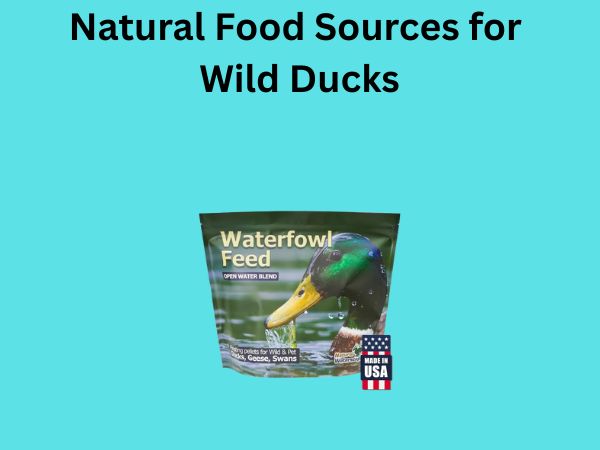
Natural Food Sources for Wild Ducks
- Aquatic plants and vegetation
- Insects, larvae, and dragonflies
- Small fish and tadpoles
- Snails and small crustaceans
- Seeds and grains
- Algae and duckweed
This natural diet is high in protein, diverse in nutrients, and keeps wild ducks incredibly active. When you’re feeding pet ducks, your goal should be to mimic this natural variety as closely as possible within your setting.
Commercial Duck Feed: The Foundation of Proper Nutrition
Let’s be honest—you can’t replicate a natural pond ecosystem in your backyard. That’s why commercial duck feed exists. Quality commercial feed serves as the nutritional foundation for your ducks’ diet. It contains the right balance of proteins, fats, minerals, and vitamins that ducks need to thrive.
Types of Commercial Duck Feed Available
The duck feed market offers several options, and choosing the right one depends on your ducks’ age and purpose.
Starter Feed for Ducklings
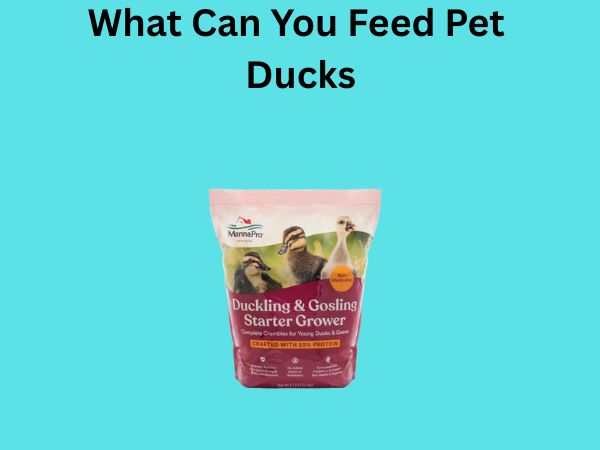
Ducklings are little eating machines. They grow incredibly fast and need feed with higher protein content, usually between 20 to 24 percent. Starter feed is specially formulated to support rapid growth, feather development, and bone strength. You’ll want to feed ducklings starter feed from hatch until around 3 to 4 weeks of age.
Grower Feed for Young Ducks
Between 4 and 20 weeks old, ducks transition to grower feed. This feed has slightly lower protein (around 16 to 18 percent) and helps ducks continue developing without overfeeding them as they mature. It’s the bridge between the intense nutrition of starter feed and adult maintenance.
Layer Feed for Egg-Producing Ducks
If your ducks are producing eggs, layer feed is essential. With calcium levels optimized for egg production, layer feed helps ensure strong eggshells and consistent laying. This feed is specifically designed for ducks that are at least 16 weeks old and actively producing eggs.
Maintenance Feed for Adult Ducks
Not all pet ducks lay eggs. If you’re keeping ducks purely as pets or companions, maintenance feed is your answer. It provides balanced nutrition without the extra calcium that layer feed contains, making it appropriate for adult ducks that aren’t producing eggs.
Vegetables and Greens: The Nutritional Powerhouses
Here’s where you can really enhance your ducks’ diet. Vegetables and leafy greens aren’t just supplements—they’re nutritional powerhouses that keep your ducks healthy and entertained. I’ve found that ducks absolutely love fresh produce, and it’s one of the best ways to provide enrichment.
Best Vegetables for Your Pet Ducks
- Lettuce and dark leafy greens like kale and spinach
- Pumpkin and squash (they love the seeds too)
- Cucumber and zucchini
- Peas and corn
- Carrots and beets
- Broccoli and cauliflower
- Cabbage and Brussels sprouts
- Swiss chard and collard greens
The beauty of feeding vegetables to your ducks is that you can use kitchen scraps. Those vegetable peels and leftover produce that you’d normally throw away? Your ducks will gobble them up. It’s a win-win situation—you reduce waste, and your ducks get nutrient-dense food.
How Much Vegetation Should You Feed?
Vegetables should make up about 10 to 15 percent of your ducks’ daily diet. The rest should come from commercial feed and other appropriate foods. You want vegetables to supplement their diet, not replace it. Think of it as adding garnish to a meal—it enhances the dish, but the main course provides the foundation.
Protein-Rich Foods: Building Strong, Healthy Ducks
Ducks are surprisingly efficient at converting protein into eggs and body mass. That’s why providing adequate protein is crucial for their development and productivity.
Excellent Protein Sources for Ducks
Insects and Grubs
If you want to see your ducks absolutely thrilled, let them loose in an area with plenty of insects. Black soldier fly larvae, mealworms, and crickets are protein goldmines. Many duck owners actually farm mealworms specifically to supplement their ducks’ diet. It’s remarkably easy and cost-effective. Your ducks will forage naturally, and you’ll observe them doing what they love most—hunting for food.
Fish and Aquatic Protein
Fish meal and fish scraps are excellent protein sources. If you’re cleaning fish, don’t throw away those scraps—your ducks will find them delicious. Some owners even keep small feeder fish in their duck ponds specifically to give ducks live prey to hunt.
Legumes and Beans
Cooked beans and lentils provide plant-based protein that ducks digest well. Soybeans are particularly high in protein and are actually a common ingredient in commercial duck feed. You can cook dried beans and offer them as treats.
Worms and Earthworms
If you have a garden or compost pile, earthworms are free protein. Ducks will eat them eagerly, and they’re full of nutrients. Plus, when ducks dig for worms, they’re naturally aerating your soil—another benefit of keeping ducks.
Grains and Seeds: Energy and Enjoyment
Grains are tasty, relatively inexpensive, and ducks genuinely enjoy them. However, they’re not nutritionally complete on their own, so they should be offered as treats or supplements alongside quality feed.
Appropriate Grains for Ducks
- Cracked corn and whole corn kernels
- Barley and oats
- Wheat and rye
- Sunflower seeds
- Millet
- Mixed birdseed
Corn is particularly popular with ducks, especially in winter. It’s energy-dense and helps ducks maintain body heat during cold months. However, corn is relatively low in protein, so it shouldn’t be your primary feed. I like to think of grains as the dessert course of your duck’s meal—enjoyable and occasional, but not the main event.
Foods to Avoid: Dangerous Feeding Mistakes
Now we need to talk about the elephant in the room—the foods that are genuinely dangerous for ducks. I’ve encountered so many duck owners who innocently fed their ducks foods that were harmful. Let’s make sure you don’t make these mistakes.
Absolutely Never Feed Your Ducks These Foods
Avocado
Avocado contains persin, a compound that’s toxic to ducks and many other animals. Even small amounts can cause serious health problems. This is one you really need to be careful about because avocados are sometimes in kitchen scraps.
Chocolate
Just like it’s dangerous for dogs, chocolate is toxic to ducks. Theobromine, the compound in chocolate, can damage their digestive and nervous systems. Keep all chocolate away from your ducks completely.
Moldy or Spoiled Feed
This seems obvious, but I need to emphasize it. Never feed ducks moldy grain or spoiled vegetables. Mold contains mycotoxins that can be fatal. If you wouldn’t eat it, your ducks shouldn’t either. Always check feed for signs of mold before offering it to your birds.
Uncooked or Dried Beans
Raw beans contain hemagglutinin, which can cause serious digestive problems. However, cooked beans are perfectly fine. Always cook beans before feeding them to your ducks.
Bread and Processed Carbohydrates
This is where many people go wrong. While ducks might eat bread eagerly, it’s essentially nutritional junk food. Bread fills them up without providing proper nutrition, and it can lead to nutritional deficiencies and obesity. I know it’s tempting to toss bread to ducks at the park, but it’s genuinely harmful. Please encourage others not to do this.
Salt and Salty Foods
Ducks can tolerate some salt, but excessive salt is dangerous. Avoid feeding them heavily salted snacks or foods. This includes most human processed foods.
Caffeinated Products
Coffee, tea, and other caffeinated beverages should never be given to ducks. Caffeine can cause serious heart and nervous system issues in birds.
Fresh Water: The Most Important Part of Duck Nutrition
I can’t overstate how important water is for ducks. Without adequate fresh water, all the good nutrition in the world won’t help. Ducks use water not just for drinking, but for cleaning their eyes, nostrils, and feathers. Without it, they become stressed and unhealthy.
Ducks should always have access to clean, fresh water. While they don’t necessarily need a large pond to thrive, they do need enough water to submerge their heads regularly. A large trough, kiddie pool, or small pond works beautifully. Change the water frequently to keep it clean and prevent algae and bacterial growth.
Feeding Ducks Throughout the Seasons
Duck nutritional needs change with the seasons. Understanding these seasonal changes helps you maintain optimal health year-round.
Spring Feeding Strategies
Spring is when ducks are most active and starting egg production. Increase protein slightly and provide fresh greens as they become available. Your ducks will naturally find insects and fresh vegetation, so you can reduce supplemental feeding slightly.
Summer Feeding Considerations
Summer abundance means your ducks have access to lots of natural food. They’ll forage actively and require less supplemental feed. However, maintain consistent commercial feed portions to ensure they get complete nutrition. Watch for heat stress—ducks in hot climates may eat less, so provide cool water and shaded areas.
Fall and Winter Feeding
As temperatures drop and food becomes scarce, your ducks’ nutritional needs change. Increase calorie-dense grains like corn to help them maintain body heat. They’ll spend more time eating and less time foraging, so you’ll need to provide more commercial feed and stored vegetables. Quality nutrition is essential for maintaining health during harsh months.
Special Considerations for Different Duck Types
Laying Hens Versus Non-Laying Ducks
Ducks that produce eggs need higher calcium and protein than non-laying ducks. Layer feed specifically addresses these needs. If you’re feeding a mixed flock with both layers and non-layers, you can offer layer feed to everyone safely—the extra calcium won’t harm non-laying ducks significantly.
Ducklings and Growing Ducks
Young ducks have different nutritional requirements at different ages. Starter feed from hatch to 4 weeks, grower feed from 4 to 20 weeks, and then transition to adult feed. Don’t skip these stages—proper nutrition during growth is crucial for developing healthy adult ducks.
Creating a Balanced Daily Feeding Schedule
So what does a typical day of feeding look like? Here’s how I recommend structuring your duck feeding routine.
Sample Daily Feeding Plan
- Morning: Provide fresh commercial feed and ensure access to clean water
- Midday: Ducks forage naturally; provide fresh water
- Afternoon: Offer vegetable scraps or greens as treats
- Evening: Provide additional commercial feed before ducks roost
The key is consistency. Ducks thrive on routine and actually regulate their own intake quite well. If you provide quality feed and fresh water consistently, your ducks will eat what they need and maintain healthy weights.
Common Feeding Mistakes and How to Avoid Them
Even with the best intentions, duck owners make preventable mistakes. Let me share the most common ones I’ve encountered.
Overfeeding Treats
It’s easy to get carried away offering vegetables and grains because ducks love them. But treats should make up no more than 10 percent of their diet. Commercial feed should always be the foundation.
Inconsistent Feeding Times
Ducks are creatures of habit. Feeding them at the same times each day creates a routine they depend on. Inconsistent feeding can lead to stress and behavioral problems.
Inadequate Calcium for Layers
If your ducks are producing eggs but not getting enough calcium, you’ll see soft-shelled or thin-shelled eggs. Layer feed solves this problem, but some owners don’t make the switch properly.
Ignoring Individual Health Needs
Sick or stressed ducks may need special feeding considerations. Always observe your flock and adjust feeding practices