How to Feed a Rabbit as a Pet: Diet Guide
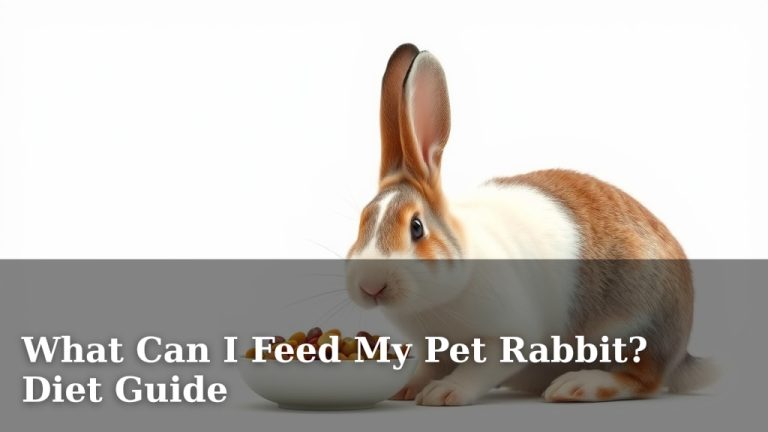
Feeding your pet rabbit the right way is essential for their health and happiness. A healthy rabbit diet primarily consists of unlimited fresh hay, supplemented by specific amounts of fresh vegetables and a limited portion of pellets. This approach ensures they get the necessary fiber and nutrients to thrive.
Understanding your rabbit’s dietary needs goes beyond just offering food. It involves knowing what foods are safe and what to avoid. A well-balanced diet helps prevent common health issues like digestive problems and dental disease. We’ve researched what makes a rabbit diet ideal.
- Feed unlimited timothy hay or other grass hays daily.
- Offer a variety of fresh leafy greens each day.
- Provide a small, measured amount of high-quality rabbit pellets.
- Ensure fresh water is always available.
- Limit sugary treats and starchy foods.
Ready to give your bunny the best life? Let’s walk through exactly what goes into a perfect rabbit meal plan, step by step.
Feeding Your Rabbit: A Healthy Diet Guide
You’ve welcomed a fluffy friend into your home! Now, let’s talk about what keeps that bunny bouncing with joy. A rabbit’s diet is the cornerstone of their well-being. It’s not just about filling a bowl; it’s about providing the right nutrients. Think of it like fueling a tiny, furry athlete.
We found that a proper diet can prevent many common rabbit health issues. Digestive troubles and dental problems are often linked to poor nutrition. So, understanding what your rabbit needs is key.
The Unbeatable Foundation: Hay, Hay, and More Hay!
If there’s one food your rabbit should always have access to, it’s hay. We’re talking unlimited quantities, 24/7. This isn’t just filler; it’s the most important part of their diet. Hay provides essential fiber. This fiber keeps their digestive system moving smoothly.
A rabbit’s teeth grow continuously throughout their lives. Chewing hay wears down these teeth naturally. Without enough hay, their teeth can overgrow. This can lead to pain and serious health problems. Many veterinarians agree (American Veterinary Medical Association). Hay is the undisputed champion of rabbit nutrition.
Which Hays Are Best?
For adult rabbits, timothy hay is a top choice. It’s nutrient-rich but not too high in calories. Other good grass hays include orchard grass, brome, and meadow fescue. Alfalfa hay is also a good option, but it’s richer and higher in calcium. We suggest saving alfalfa for young, growing rabbits or pregnant/nursing does.
Hay should always be fresh, green, and smell sweet. If it smells musty or looks dusty, it’s best to discard it. Your rabbit deserves the best!
The Colorful World of Fresh Greens
Beyond hay, your rabbit will love a daily serving of fresh leafy greens. This adds variety and important vitamins and minerals to their diet. Think of greens as your rabbit’s daily salad bar.
How much should you offer? A good rule of thumb is about 1 packed cup of greens per two pounds of your rabbit’s body weight. This should be given daily. Always introduce new greens slowly to avoid upsetting your rabbit’s stomach.
Safe and Delicious Greens to Try
We found that a mix of different greens is ideal. This ensures a broad spectrum of nutrients. Some excellent choices include:
- Romaine lettuce
- Kale (in moderation due to calcium)
- Spinach (in moderation due to oxalates)
- Parsley
- Cilantro
- Dandelion greens (ensure they are pesticide-free)
- Arugula
- Carrot tops (not the carrots themselves, which are too sugary)
What about iceberg lettuce? While it’s mostly water and safe, it doesn’t offer much nutritional value. It’s better to stick with darker, leafier options.
Pellets: The Supplement, Not the Main Meal
Rabbit pellets are designed to provide concentrated nutrition. However, they should be a small part of your rabbit’s diet, not the main course. Too many pellets can lead to obesity and digestive issues, as they lack the fiber of hay.
What kind of pellets should you choose? Look for high-fiber, timothy-based pellets. Avoid those with seeds, nuts, or colorful bits mixed in. These are essentially junk food for rabbits and can be harmful.
How Much to Feed?
The amount of pellets depends on your rabbit’s age and size. For adult rabbits, we found that about 1/4 cup of pellets per 5 pounds of body weight per day is generally recommended. Some sources suggest even less for very sedentary rabbits. It’s always best to consult with your rabbit-savvy veterinarian.
Remember, this is a guideline. Your rabbit’s individual needs might vary. Monitor their weight and energy levels.
Water: The Essential Nutrient
Just like us, rabbits need constant access to fresh, clean water. Dehydration can be very serious for rabbits. Make sure their water is changed daily, if not more often.
You can offer water in a heavy ceramic bowl or a sipper bottle. Some rabbits prefer bowls, while others get the hang of bottles. We found that offering both initially can help you see which your rabbit prefers. Ensure the sipper bottle nozzle is clean and working properly.
| Food Type | Amount | Notes |
|---|---|---|
| Timothy Hay | Unlimited | Must be available at all times. |
| Fresh Leafy Greens | 1-2 packed cups | A variety of 3+ types daily. |
| High-Quality Pellets | 1/4 cup | Timothy-based, plain pellets. |
| Fresh Water | Unlimited | Changed daily. |
Treats: A Little Goes a Long Way
Rabbits love treats, but they should be given sparingly. Too many treats can lead to health problems. Sugary and starchy foods are particularly problematic.
What are some safe treat options? Small pieces of certain fruits can be offered a couple of times a week. Think tiny slices of apple (no seeds), banana, or berries. A small piece of carrot is also a popular treat, but remember carrots are high in sugar.
Foods to Avoid (The No-No List!)
Some foods are simply not safe for rabbits. We found that avoiding these is critical for their health:
- Bread, crackers, pasta, cereal
- Nuts and seeds
- Chocolate and sugary human snacks
- Avocado
- Onions, garlic, leeks
- Potatoes and rhubarb
- Iceberg lettuce (in large amounts)
When in doubt, it’s always best to err on the side of caution and stick to the proven safe foods.
A Quick Checklist for Your Rabbit’s Diet
Here’s a simple way to ensure you’re on the right track:
- Always have fresh hay available.
- Offer a variety of leafy greens daily.
- Measure out pellets correctly.
- Ensure clean water is always accessible.
- Give treats only in very small amounts.
- Monitor your rabbit for any changes in eating or health.
Feeding your rabbit correctly is a rewarding experience. You’re providing the building blocks for a long, happy, and healthy life together. It takes a little planning, but your bunny will thank you with happy nose twitches and playful hops!
Conclusion
You’ve learned the essentials for feeding your rabbit a healthy diet! Remember, the foundation is unlimited fresh hay, daily greens, and a measured amount of quality pellets. This balanced approach is key to preventing health issues and ensuring your bunny lives a happy, energetic life. Always provide fresh water and be mindful of treats and foods to avoid. Your commitment to proper nutrition builds a strong bond and a healthier companion. Now, go check your bunny’s hay rack and offer a fresh handful!
Frequently Asked Questions
What’s the best type of hay for my adult rabbit?
For adult rabbits, timothy hay is highly recommended. It offers excellent fiber content without being too rich. Orchard grass and other grass hays like brome are also great choices. These should be available at all times for your rabbit to munch on.
Can I give my rabbit fruits as treats?
Yes, you can offer small amounts of fruit as occasional treats. Think tiny pieces of apple (without seeds) or a couple of berries. Fruits are high in sugar, so moderation is key. We suggest giving these treats only a few times a week.
How do I introduce new vegetables to my rabbit?
Always introduce new greens slowly, one at a time. Start with a very small amount and monitor your rabbit for any digestive upset. If their stool looks normal, you can gradually increase the quantity over several days before adding another new food.
What should I do if my rabbit stops eating?
If your rabbit stops eating, it’s a veterinary emergency. Rabbits have sensitive digestive systems that can shut down quickly. Contact your rabbit-savvy veterinarian immediately. This is a sign of a serious health issue that needs prompt attention.
Are pellets really that important for my rabbit’s diet?
Pellets play a supplementary role. They provide concentrated nutrients but should not be the main part of your rabbit’s diet. We found that too many pellets can lead to obesity and digestive problems. Focus on unlimited hay and fresh greens first.