Do Cat Water Fountains Actually Work? 2026 Guide
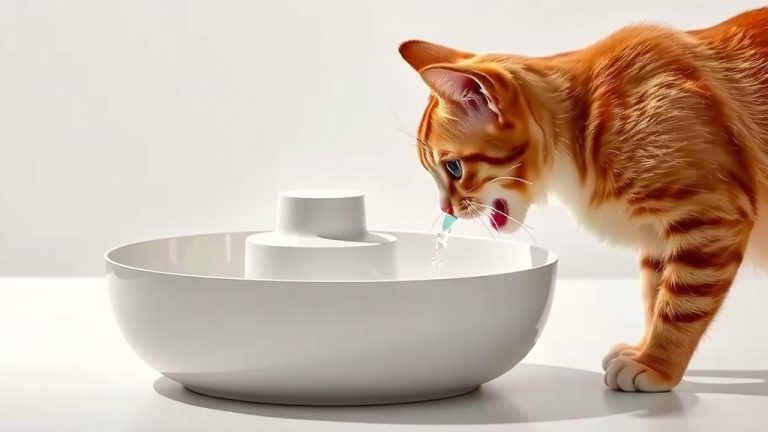
Yes, cat water fountains work for most cats, and they are a great way to get your feline friend to drink more water. The constant flow and fresh taste are simply more appealing to cats than a stagnant bowl of water.
You might have noticed your cat dipping a paw in their bowl or begging at the sink. That is your cat telling you they prefer moving water. We found that a fountain addresses this natural instinct, which is a huge win for their kidney and urinary tract health. Most cats are also chronically dehydrated, so a water fountain is an easy fix for a serious everyday problem.
- They encourage hydration: The movement and sound make water more enticing, so your cat drinks more.
- They filter the water: Built-in filters remove hair, dust, and debris, keeping the water fresher longer.
- They are quieter than you think: Most modern pumps are very silent, so it won’t keep you up at night.
- They require regular maintenance: You must clean them and change the filters to keep your cat interested.
- They aren’t for every cat: Some picky felines simply prefer a plain bowl, so a battery backup or a basic bowl is a good fallback.
Below, we break down the real pros and cons, what to look for when buying one, and the best ways to keep it running smoothly for your furry buddy. Let’s walk through exactly how to make the switch easy for both of you.
Why Your Cat Needs More Water Than You Think
We found that most cats don’t drink nearly enough water. It’s a widespread problem that many pet owners don’t even notice until it becomes a health issue.
Cats have a low thirst drive. That’s a throwback to their desert ancestors who got most of their moisture from prey. Dry kibble only makes the situation worse. It contains around 10% water, while wet food is about 78% water.
When your cat runs on dry food alone, they have to work extra hard to stay hydrated. Chronic dehydration is a leading risk factor for kidney disease and urinary tract problems in felines (Veterinary Centers of America).
So, simply urging your cat to drink more from a bowl isn’t enough. You need to make the water itself more appealing. That is where a fountain changes the game.
The Hidden Instinct Behind the Sink Obsession
Have you ever watched your cat stare at a running faucet like it’s the greatest invention ever? That’s not just a quirk. It’s an instinct to seek out moving water.
In the wild, still water usually means bacteria and contamination. Moving water is usually fresher and safer to drink. Your house cat doesn’t know the water bowl is clean. They just know a puddle of still water feels wrong at a primal level.
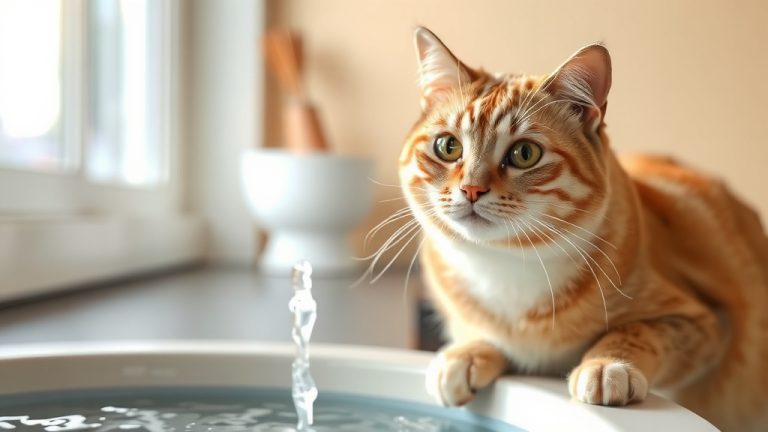
We found that fountains solve this problem instantly. The bubbling stream triggers that natural safety mechanism. It tells your cat, “Hey, this water is fresh, drink up.”
This simple switch can dramatically increase their daily water intake. One study observed that cats drink up to 50% more water when given a fountain compared to a bowl (Journal of Feline Medicine and Surgery).
The Real Benefits of Running Water for Cats
Let’s be honest. You don’t need to buy a fountain just to spoil your cat. There are substantial health benefits that make it a smart purchase. It’s not just a fancy gadget; it’s a health tool.
The primary benefit is the increase in hydration. More water means more diluted urine. That makes it much harder for crystals and stones to form in the bladder.
Fountains also host a healthier drinking environment. Stagnant water in a bowl collects dust, hair, and even bacteria within hours. A fountain keeps the water circulating and passes it through a filter continuously.
We found that this leads to better-smelling water for you and a cleaner drink for them. It’s a win-win for both of you.
The Filtration Factor Explained
Think of the fountain filter as a mini washing machine for the water. It doesn’t just strain out hair. Most filters contain activated carbon.
Activated carbon is a special material that traps odors, chemicals, and bad tastes. This is what keeps the water tasting “mountain fresh” instead of like stale tap water.
This filtration process is crucial. Cats have an incredibly sensitive sense of smell. If the water has a funky odor, they will refuse to drink it, even if they are thirsty.
The filter removes the microscopic stuff you can’t see, too. It catches dust, lint, and food particles that fall in. That keeps the water safe for a longer period.
Comparing Fountains to the Classic Water Bowl
You might be wondering if a fountain is truly worth the upgrade. Let’s break it down side by side.
We found that while bowls are simple, fountains are more effective at fighting boredom with drinking. Here is a quick comparison chart to help you visualize the difference.
| Feature | Traditional Bowl | Cat Water Fountain |
|---|---|---|
| Water Appeal | Low – water goes stale fast | High – running water attracts cats |
| Filtration | None – debris settles in the bowl | Continuous – removes hair and dirt |
| Cats’ Interest | Declines over a few hours | Stays consistent all day |
| Daily Maintenance | Must rinse and refill daily | Needs weekly deep cleaning |
| Whisker Fatigue | Common in deep bowls | Rare – shallow stream is low pressure |
| Initial Cost | Very low (under $10) | Moderate ($25 – $60) |
As you can see, the fountain excels in the areas that matter most to your cat’s health. The only downside is maintenance, but it is manageable if you set a routine.
What About Whisker Fatigue?
Many experts say that whisker fatigue is a very real issue for cats. Their whiskers are packed with sensitive nerves. Brushing against the sides of a deep bowl causes stress.
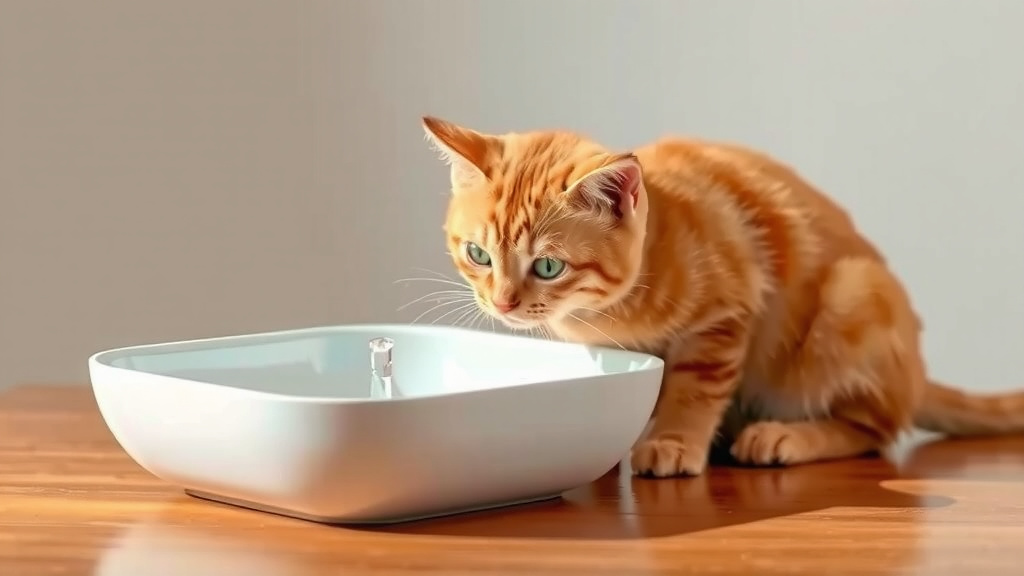
We found that fountains solve this issue without you having to buy a special flat dish. The water surface is usually wider and the basin is shallower. Your cat can lap up water without their whiskers touching the plastic edges.
This makes drinking a more comfortable, pain-free experience. A cat that dreads the bowl will happily drink from the fountain.
Just remember to check the basin depth when buying. Look for one that is wide and shallow, not deep and narrow.
Why Some Cats Still Say ‘No Thanks’
Let’s be real with ourselves. A fountain is not a magic cure for every cat. Some cats are set in their ways, and that’s okay.
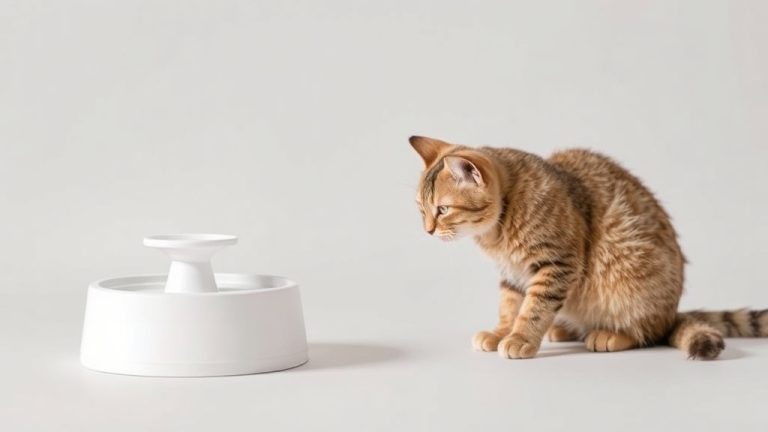
If you adopt an older cat that has only ever drunk from a bowl, they might be scared of the new machine. The sound of the pump can be intimidating at first.
We found that most cats adapt quickly, but there is a transition period. Don’t throw away the old bowl immediately. Keep it near the fountain as a backup.
Patience is key. Spray the fountain area with catnip or place a treat on the rim. Allow them to investigate the water with their paws without forcing them to drink.
Signs Your Cat Prefers the Bowl (And What To Do)
If your cat completely ignores the fountain, look for the signs. Are they still jumping on the counter for sink water? Are they scratching the floor next to the fountain?
Some cats hate the vibration of the pump. Others simply can’t figure out how to drink from the spout. This can lead to frustration.
Here is what we found helps for stubborn cats:
- Switch off the flow: Some fountains allow you to stop the spout drip and just keep the basin water moving. This is less scary for nervous cats.
- Move the fountain: Place it away from the food bowl. Cats prefer to drink away from where they eat to avoid contamination.
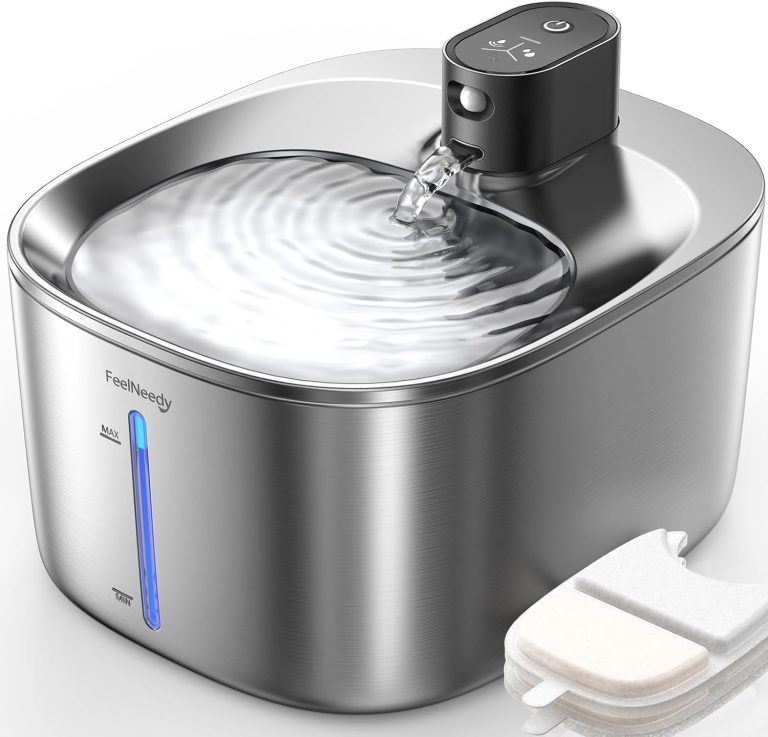
- Try a different material: Some cats hate the plastic taste. Look for a stainless steel model instead.
If nothing works, that’s perfectly fine. You can still use the fountain as a backup and keep fresh bowls of water in several rooms of the house.
Choosing the Right Fountain for Your Home
You don’t need to buy the most expensive model on the market to get results. You just need one that fits your cat’s drinking style and your lifestyle.
There are two main types: pump fountains and free-falling fountains. Pump models are quiet and common. Free-falling ones look like a mini faucet.
We found that plastic fountains are the most affordable, but they scratch easily. Scratches are the perfect hiding spot for bacteria. Stainless steel or ceramic models are easier to keep hygienic.
Always look for a fountain with a low-voltage pump. This is safer for your cat if they get curious and bite the cords. Many guidelines point to ensuring all pet products are UL-listed for safety (ASPCA).
The Filter Replacement Schedule
A dirty filter defeats the whole purpose of the fountain. You have to keep on top of this or your cat will stop drinking. It’s a simple habit to start.
Manufacturers generally recommend changing the carbon filter every two to four weeks. This keeps the water tasting fresh and free of odors.
The foam pre-filter, if your model has one, should be rinsed weekly. This catches the big hair and debris before they clog the motor. Regular rinsing extends the life of the carbon filter.
Set a reminder on your phone. When you order your next bag of cat food, order a fresh pack of filters. That way, you never run out at the worst moment.
Keeping the Water Moving: Maintenance Checklist
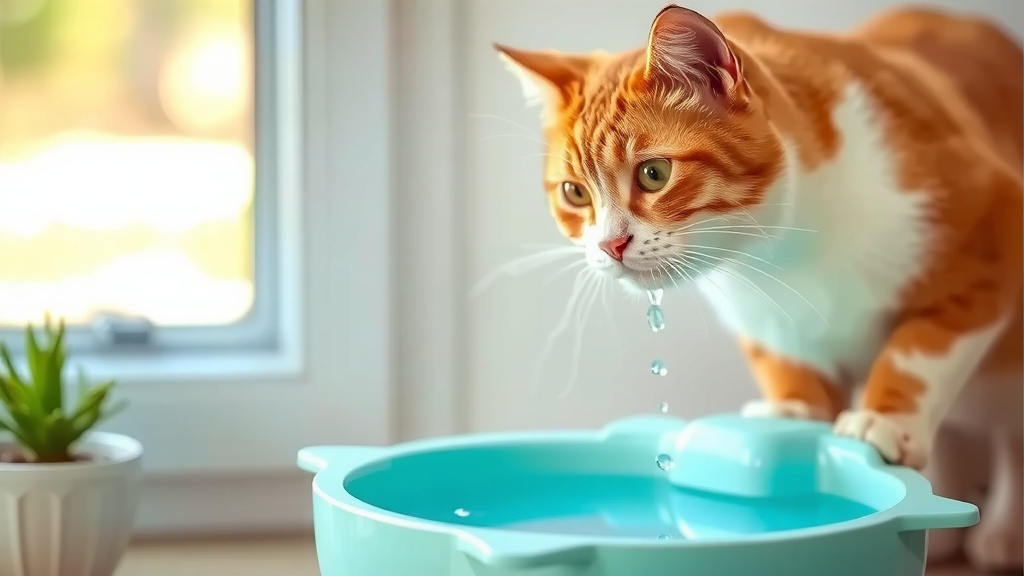
We know that cleaning a machine sounds tedious. But a quick weekly routine takes less than 10 minutes. It will save you money on vet bills later.
A clean fountain is a silent fountain. A gurgling or buzzing fountain usually means the pump is clogged. Regular cleaning prevents that nasty noise.
Here is a simple checklist to keep your fountain in tip-top shape and your cat happy:
- Top off the water daily to keep the pump fully submerged and silent.
- Rinse the foam filter every week under warm water to remove collected hair.
- Wipe down the basin with a soft sponge to break up the biofilm film that forms on the edges.
- Deep clean the pump once a month by soaking it in a mix of white vinegar and water.
- Replace the carbon filter every 2-4 weeks to keep the taste appealing.
- Use only water—never add kibble or treats to the basin.
Always unplug the fountain before cleaning. Make sure the parts are completely dry before plugging it back in. Wet pumps can short-circuit.
Are There Any Downsides You Should Know?
We believe in giving you the whole picture, not just the glamorous side. Yes, fountains have a few minor drawbacks you should prepare for.
They require a power outlet. You have to think about where you place it. Long cords can be a hazard if you don’t secure them properly.
Some fountains are noisy when the water level gets low. You must be consistent with topping it off. If the pump runs dry, it can burn out the motor.
The initial starting cost is higher than a bowl. You are also locked into buying replacement filters. But look at the trade-off. You are upgrading your cat’s health and possibly avoiding expensive urinary blockages at the vet.
We found that the maintenance is a fair price to pay for that peace of mind. An automatic refill isn’t built-in to most models, so you still have to be hands-on.
The Noise Factor Debunked
Many people hesitate to buy a fountain because they think it will sound like a bubbling cauldron all night. The truth is different.
Modern motors are engineered for low decibel levels. We found that most premium models operate below 30 decibels. That is quieter than a whispered conversation.
If you hear a constant hum or splashing, check the water level first. Low water is the number one cause of noise complaints.
If it still makes noise, the pump might need a rinse. A quick descaling with white vinegar clears out the mineral deposits. That usually fixes the problem instantly.
The Final Verdict on Making the Switch
So, does a cat water fountain work? Most of the time, yes, spectacularly. It taps into your cat’s natural instincts to seek clean flowing water.
You are not just buying a gadget. You are providing a better drinking experience that encourages a longer, healthier life. We found the biggest success comes when you set it up correctly from day one.
Start by placing it in a quiet spot, away from the hustle and bustle of the house. Show your cat the water stream gently. Let them get used to the new thing at their own speed.
For 90% of cats, the fountain becomes their favorite spot in the house within a week. They will stare at the bubbles with pure fascination. It’s the little things that keep our furry friends thriving.
Conclusion
Cat water fountains really do work. They tap into your cat’s natural instinct to seek out fresh, moving water. That simple trick often gets them drinking more, which is a big win for their kidney and urinary health.
You don’t need a fancy, expensive model to see results. A clean, well-placed fountain with fresh filters is all it takes. Just remember to keep up with the weekly cleaning and top off the water daily.
Your next step is simple: pick a fountain that fits your space and your cat’s personality. Place it away from their food bowl. Give them time to explore it. With a little patience, you’ll likely see them sipping happily in no time.
Frequently Asked Questions
How long does it take for a cat to get used to a water fountain?
Most cats warm up to a fountain within a few days. Some curious felines will start drinking right away. Others might need a week or two to feel comfortable.
You can help by keeping their old water bowl nearby as a backup. Let them sniff and investigate the fountain at their own pace.
Do cats prefer running water or still water?
Many cats prefer running water because it triggers their natural instinct to seek fresh, safe water. In the wild, still water is more likely to harbor bacteria.
That said, not every cat cares. Some are perfectly happy with a clean bowl. The best approach is to offer both and see which one your cat chooses.
How often should I change the water in my cat’s fountain?
You should top off the water daily to keep the pump fully submerged and running quietly. A full water change is best done every two to three days.
This keeps the water fresh and prevents slimy biofilm from building up on the basin walls. Fresh water also keeps your cat interested in drinking.
Can a water fountain make my cat sick?
A well-maintained fountain is safe and healthy for your cat. The filter removes hair, dust, and debris that would otherwise sit in a bowl.
The risk comes from neglect. If you skip cleanings, bacteria and mold can grow in the pump and basin. Stick to a weekly cleaning schedule to keep things safe.
Are plastic cat fountains safe for cats?
Plastic fountains are safe, but they scratch easily over time. Those tiny scratches can trap bacteria and are hard to clean thoroughly.
Some cats also get chin acne from plastic surfaces. If you notice any skin irritation, consider switching to a stainless steel or ceramic fountain instead.