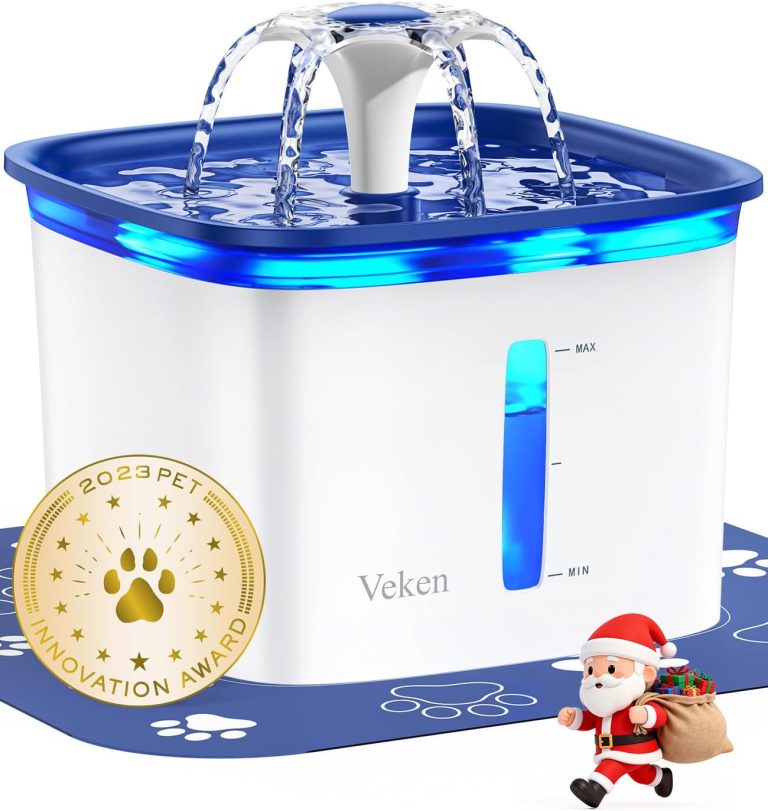
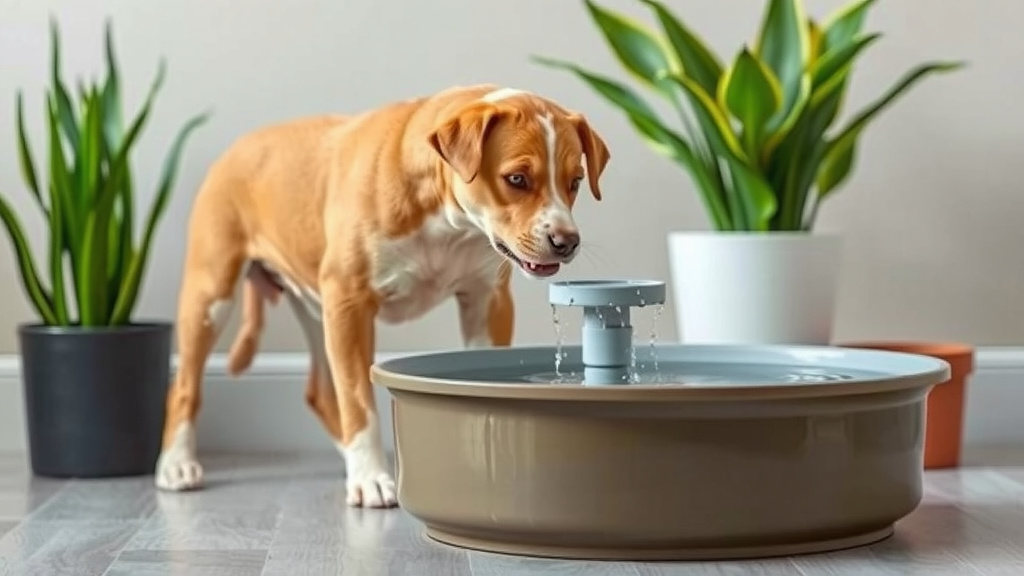
How to Clean a Dog Water Fountain: 7 Easy Steps
The easiest way to clean a dog water fountain is to take it apart completely, wash every piece with warm soapy water, and scrub away any slime or buildup before rinsing and reassembling it. You should do this **at least once a week** to keep your pup safe from bacteria and algae. We found that a simple mix of mild dish soap and a soft brush works best for most models.
Dog water fountains are amazing for keeping your furry friend hydrated, but they can quickly turn into a science experiment if you neglect them. The constant moisture creates a perfect home for **slime, biofilm, and bacteria** to grow. Plus, pet hair, food crumbs, and mineral deposits from tap water all end up in the water, which can make your dog sick and even clog the pump. Regular cleaning isn’t just about looking good—it’s a key part of your dog’s overall health and wellbeing.
- How often: Do a full deep clean once a week. If you have multiple pets or a very hairy dog, you might need to do it every few days.
- Best supplies: Use mild dish soap, a soft sponge, a bottle brush, and a toothbrush for small parts and crevices.
- The pump matters: Always unclog and rinse the pump separately—this is what keeps the water flowing and prevents motor burnout.
- No harsh chemicals: Skip the bleach and dishwasher. These can leave harmful residue and damage the plastic.
- Dry it fully: Let all parts air-dry completely before putting the fountain back together to prevent bacteria growth.
Below, we break down exactly how to take apart, scrub, and reassemble your dog’s fountain, including some specific tips for tricky filters and pumps. Let’s walk through the simple step-by-step process so you can get it done in under ten minutes.
Your Weekly Dog Fountain Cleaning Routine, Step by Step
You don’t need fancy tools or harsh chemicals to get this done. We found that a simple routine keeps the water fresh and your pup happy. Set aside about ten minutes. Grab your supplies, and let’s get that fountain sparkling again.
Think of this like washing your own drinking glasses. You wouldn’t just rinse a cup and call it clean, right? The same logic applies here, just with a few more parts and a pump that needs special attention.
Gather Your Cleaning Arsenal First
Before you touch a single piece, collect everything you need. This saves you from running around with soapy hands later. Here is the exact list we recommend for most fountain models:
- Mild liquid dish soap (like Dawn or Seventh Generation)
- A soft sponge or non-scratch scrub pad
- A bottle brush for the reservoir and drinking bowl
- An old toothbrush for tiny crevices and the pump
- A paper clip or pipe cleaner to unclog the pump shaft
- A clean towel for drying parts
That is it. No bleach. No vinegar unless you have heavy mineral scale (more on that below). Stick to gentle soap. Harsh cleaners leave a film that can upset your dog’s stomach.
Disassemble Every Single Piece
Most fountains have three main sections: the reservoir, the top tray or bowl, and the pump. Some have extra parts like filters, flow controls, or foam pre-filters. Take it all apart. We found that many people forget the small rubber feet or the little floating disc in the pump.
Check your owner’s manual if you have it. If not, just look for any piece that twists, pops, or slides off. When in doubt, take it apart anyway. A quick visual check tells you what is removable. Place every piece on your counter so you can see exactly what you are working with.
Locate and Remove the Pump First
The pump is the heart of the fountain. It is usually tucked in a corner or under the top tray. Unplug the cord from the wall before you touch anything. Water and electricity do not mix well.
Gently pull the pump out of its housing. There might be a small rubber tube connecting it to the spout. Detach that tube carefully. Set the pump aside in a separate bowl. You will clean it last because it is the dirtiest part and needs the most attention.
Check the Filter Situation
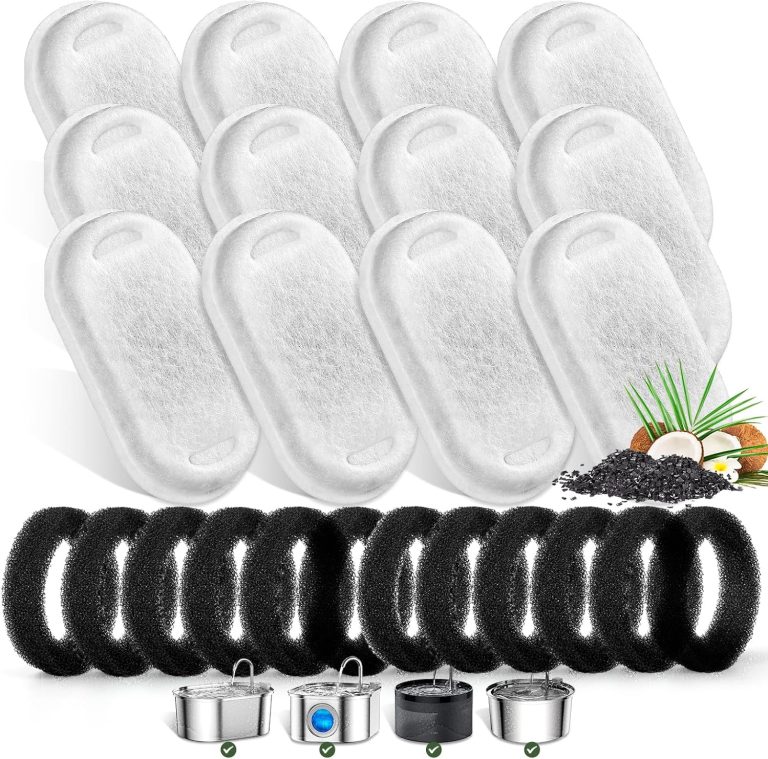
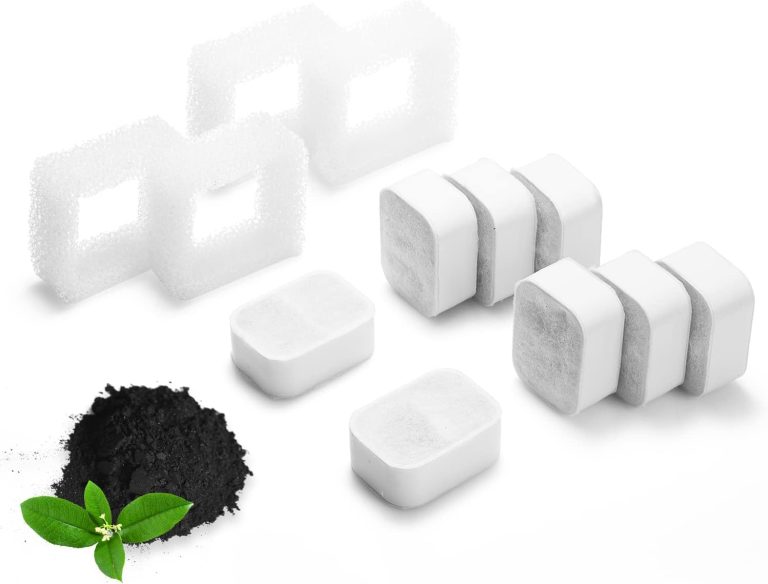
Many fountains use a charcoal filter or a foam sponge. These need different care. The foam pre-filter can be rinsed and squeezed out. The charcoal filter usually needs replacing every two to four weeks depending on your water quality.
We found that trying to scrub a charcoal filter does more harm than good. It just falls apart. If your filter looks brown, slimy, or smelly, toss it. Buy a replacement pack online or at the pet store. A clean filter makes a huge difference in water taste and odor.
Washing the Fountain Parts the Right Way
Now comes the actual scrubbing. Fill your sink with warm water and add a few drops of dish soap. Warm water cuts through grease and slime better than cold water. We found that hot water works even faster, but make sure it is not boiling hot or it can warp the plastic.
Drop the reservoir, top tray, and spout into the soapy water. Let them soak for a few minutes while you work on the pump. This soaking step loosens the gunk so you do not have to scrub as hard. It is a total game-changer for stubborn slime.
Scrubbing the Bowl and Reservoir
Use your sponge or bottle brush to scrub every surface. Pay close attention to corners and seams. Those little grooves are where slime loves to hide. We found that a bottle brush is perfect for tall reservoirs because you can reach the bottom without hurting your wrist.
Rinse every piece thoroughly under running water. Soap residue is bad for your dog. Keep rinsing until the water runs clear and you cannot feel any slippery film. This step takes longer than you think, but it is worth it.
Dealing With Stubborn Mineral Scale
If you have hard water, you will see white chalky spots on the plastic. That is calcium and magnesium buildup. Soap alone does not break it down. Many experts suggest using white vinegar for this specific issue.
Fill the reservoir with a mixture of one part white vinegar and three parts water. Let it sit for about 15 minutes. Then scrub and rinse very well. Vinegar is acidic and dissolves the scale. Just make sure you rinse multiple times so no vinegar taste remains. Your dog will thank you.
Deep Cleaning the Water Pump Mechanism
The pump is the part people skip, and that is a mistake. A clogged pump makes a gurgling noise and eventually stops working entirely. Replacing a pump costs money. Cleaning it takes five minutes. We found that most fountain failures come from a neglected pump.
Start by taking the pump apart. Most pumps have a small cover that twists off. Inside, you will see the impeller, which is a tiny spinning piece. Pull it out carefully. It is fragile and can break if you yank it.
Unclogging the Impeller and Shaft
Pet hair and grit wrap around the impeller shaft. This stops the motor from spinning. Use your old toothbrush to gently scrub the impeller and the inside of the pump housing. Brush away all the hair and debris.
Use your paper clip to poke into the small intake holes on the bottom of the pump. These holes get blocked by tiny particles. We found that a pipe cleaner works even better for this job because it bends and reaches deep corners.
Reassembling the Pump Correctly
Once everything is clean, put the impeller back in its slot. Make sure it sits flush and spins freely with a finger flick. If it feels stuck, something is still blocking it. Check for tangled hair again.
Snap the pump cover back on. Run the pump in a bowl of clean water for a minute before putting it back in the fountain. This flushes out any loose debris. You will see the water flow smoothly once it is free of gunk.
Drying and Reassembling Your Fountain
Do not skip the drying step. We found that reassembling a wet fountain encourages bacteria growth right away. Moisture plus a warm motor equals a breeding ground for germs. Let every part air-dry completely on a clean towel.
Wait at least 15 to 30 minutes. If you are in a hurry, pat the parts dry with a lint-free towel. Just make sure they are not dripping wet. The pump especially needs to be dry inside the motor housing before you plug it back in.
Putting It All Back Together
Start with the pump. Place it back in its spot in the reservoir. Reattach any rubber tubes. Then set the top tray or bowl back on. Add a fresh filter if you tossed the old one. Fill the fountain with fresh, cool water.
Plug it in and let it run for a few minutes. Check for leaks around the pump and seams. Listen for any weird noises. A quiet hum means everything is seated properly. If you hear rattling, open it back up and adjust the pump.
Setting a Reminder That Actually Works
Weekly cleaning is easy to forget. We found that pairing the task with something you already do helps. For example, clean the fountain every Sunday morning while you drink your coffee. Or set a recurring reminder on your phone.
Some people tie it to a visual cue. When you see the water level drop below the pump, that is a gentle nudge. But do not rely on that. Slime builds fast. Mark your calendar and make it part of your weekend routine.
Quick Reference Checklist for Fountain Owners
Here is a simple list to keep you on track. Print it out or screenshot it. Stick it near your dog’s bowl if you need to. This checklist covers everything we talked about above:
- Unplug the fountain and disassemble all parts including the pump.
- Soak non-electrical parts in warm soapy water for 5 minutes.
- Scrub all surfaces with a sponge, bottle brush, and toothbrush.
- Disassemble the pump and scrub the impeller and intake holes.
- Rinse every piece thoroughly until no soap residue remains.
- Air-dry all parts completely before reassembling with fresh water.
That is the entire process. Once you do it a few times, it becomes muscle memory. You will be done in under ten minutes and your dog will get clean, fresh water all week long.
Many pet health guidelines highlight that fresh water reduces the risk of bacterial infections (CDC). Keeping the fountain clean is one of the simplest ways to support your dog’s hydration and overall wellness. A clean fountain encourages your pup to drink more, which is great for their kidneys and energy levels.
So go ahead, set that reminder, and give that fountain the attention it deserves. Your furry friend will notice the difference in taste, and you will feel good knowing you are doing right by them.
Conclusion
Cleaning your dog water fountain takes less than ten minutes once you get the hang of it. The key is to be consistent. Disassemble everything, scrub the pump, and let every piece dry completely before putting it back together.
Weekly cleaning prevents slime, bacteria, and clogged motors. It also keeps your dog drinking more water, which is great for their health. You do not need fancy tools. Just mild soap, a toothbrush, and a little elbow grease.
Set a phone reminder for the same day every week. Pair it with a habit you already have, like your Sunday coffee. Your dog will thank you with every fresh sip. Grab your supplies and give that fountain a good scrub today.
Frequently Asked Questions
Can I put my dog water fountain parts in the dishwasher?
We recommend avoiding the dishwasher for most fountain parts. The high heat can warp plastic, and dishwasher detergent leaves a residue that is hard to rinse off.
That residue can upset your dog’s stomach. Stick to hand washing with warm soapy water. Check your owner’s manual first, but hand washing is the safest bet for most models.
How do I get rid of the slimy film on my dog’s fountain?
That slimy film is biofilm, which is a colony of bacteria. Warm soapy water and a soft brush will break it down, but you need to scrub every nook and cranny.
Pay special attention to corners, seams, and the pump housing. Rinse thoroughly until no slippery feel remains. If the slime keeps coming back fast, you may need to clean more often than once a week.
Why does my dog water fountain smell bad even after cleaning?
A bad smell usually means the filter is old or the pump has hidden debris. Replace the charcoal filter every two to four weeks, depending on your water quality.
Also, take the pump fully apart and clean the impeller and shaft. Pet hair and food particles get trapped there. If the smell persists, check for cracks in the plastic where bacteria can hide.
Is it safe to use vinegar to clean my dog’s water fountain?
Yes, vinegar is safe for removing mineral scale from hard water. Mix one part white vinegar with three parts water and soak the parts for about 15 minutes.
Scrub and rinse very thoroughly. You want to make sure no vinegar taste remains. Do not use vinegar every week though. It is only needed when you see white chalky buildup.
How often should I replace the filter in my dog water fountain?
Most charcoal filters need replacing every two to four weeks. If you have hard water or multiple dogs, you might need to swap them out more often.
Foam pre-filters can be rinsed and reused for a few weeks. But once they look brown, slimy, or start falling apart, toss them. A fresh filter keeps the water tasting clean and odor-free.