How to Clean a Pet Water Fountain: Step-by-Step Guide
The quickest way to clean a pet water fountain is to take it apart and wash every piece in warm, soapy water at least once a week. You should do a full disassembly, paying close attention to the pump and any nooks where slime builds up. This simple routine keeps the water fresh and your furry friend healthy.
We found that most pet parents forget the pump, which is the main spot for bacteria and grime to hide. Regular cleaning not only prevents that slippery film from forming but also keeps the fountain motor running quietly and efficiently. Many experts say that a clean fountain encourages your pet to drink more water, which is great for their overall health.
TL;DR (The Quick Version)
- Clean your pet fountain at least once a week to prevent slime and bacteria.
- Disassemble the entire fountain, including the pump and filter housing, for a proper clean.
- Wash all parts with warm, soapy water and use a small brush to scrub the pump.
- Soak the parts in a vinegar solution to break down stubborn mineral deposits.
- Rinse everything thoroughly to ensure no soap or vinegar residue remains.
Below, we break down exactly how to clean each part of your fountain so it stays sparkling and safe. Let’s walk through the simple steps together to make this chore as quick and easy as possible.
Mastering the Art of Cleaning a Pet Fountain
You can master this chore in about 15 minutes. The key is to build a simple routine. Once you do it a few times, you will remember exactly where the grime hides. This guide walks you through every step so nothing gets missed.
We found that a consistent schedule is your best defense against slimy buildup. It also saves you money by making the pump last longer. Let’s get your fountain sparkling clean.
What You Need Before You Start
Gathering your supplies first makes the job faster. You likely have most of these items in your home already. No need to buy fancy specialty cleaners.
- Warm water
- Mild dish soap (like Dawn)
- White vinegar (distilled)
- Soft sponge or cloth
- Cotton swabs (Q-tips)
- Small bottle brush or old toothbrush
Stay away from harsh chemicals. Bleach and abrasive scrubbers can hurt your pet. The plastic parts are porous, so they can soak up dangerous residue. Stick to gentle cleaning products.
Step 1: Unplug and Disassemble the Fountain
Safety comes first in this cleaning process. Always unplug the fountain before you touch the water. You do not want to mix electrical parts with water.
Now, take the fountain apart completely. We found that many people only clean the top bowl. That leaves a lot of hidden dirt behind. Every single piece that touches water needs attention.
Removing the Pump Safely
The pump is the heart of the fountain, but it is also delicate. Gently disconnect it from the tubing or hose. Check your manual if you are unsure how it clicks out.
Place the pump aside on a paper towel. It will need special attention later. The pump is where the majority of bacteria like to grow (NCBI research highlights biofilms in water systems).
Don’t Forget the Filter
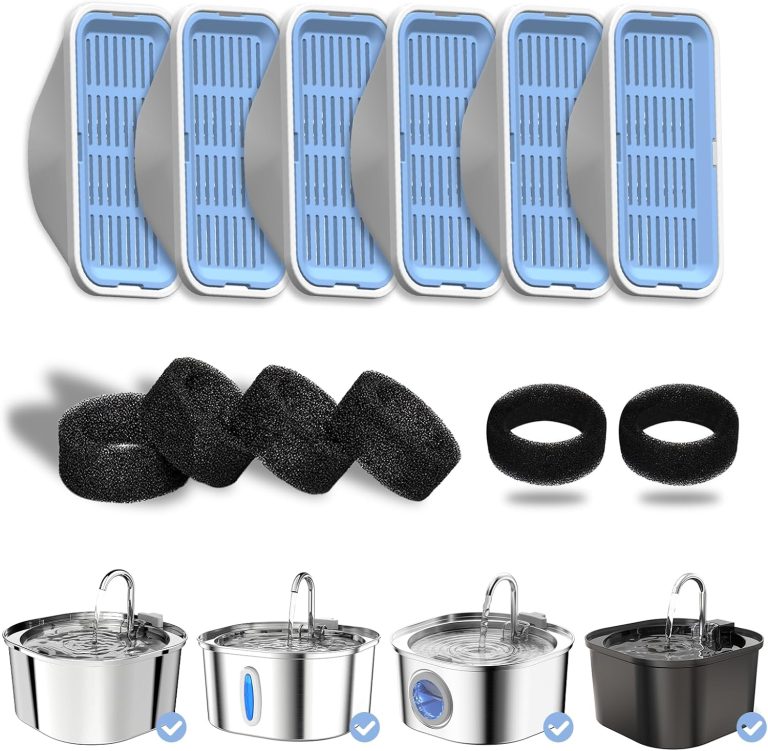
The filter looks simple, but it is doing heavy lifting. It collects hair, food, and debris. Do not wash the old filter with soap. This can damage the charcoal inside.
Just rinse it under running water. If the filter is over two weeks old, replace it. A clogged filter stops water flow and makes the motor work harder.
Step 2: Soak the Parts in a Vinegar Solution
Vinegar is your best friend for this chore. It is natural and breaks down mineral deposits. If you have hard water, you will see white crusty scale. Vinegar dissolves this easily.
Use a mix of one part white vinegar to three parts water. Fill your sink or a tub with this solution. Submerge all plastic parts completely.
Let everything soak for 15 to 20 minutes. This loosens the sticky slime. It makes the scrubbing part much easier and quicker. You will be surprised at what floats off the parts.
Step 3: Scrub Every Nook and Cranny
Soaking loosens the grime, but you still need to scrub. Put a drop of dish soap on your sponge. Work through each piece methodically.
Tackling the Pump Motor
This is the most critical part of the whole process. The silver disc inside the pump is the magnet and impeller. It collects a brown, gritty sludge over time.
Use a Q-tip or a small brush to get inside the pump chamber. Gently pull out the magnetic rotor. Wipe off all the debris you see. This is often the source of a noisy fountain.
We found that a quiet pump equals a clean pump. If the fountain starts humming loudly, this is usually the reason.
Cleaning the Basin and Spout
Use your bottle brush for the spout. This tube gets slimy fast. Run the brush through multiple times. Make sure water flows freely through it.
Pay attention to the bottom basin. There are grooves and curves where hair gets trapped. Use your toothbrush to dig into those crevices.
Step 4: Rinse Everything Thoroughly
This step is non-negotiable. Soap and vinegar are safe, but they still need to be washed away. Leftover soap can cause foam in the water. Your pet might refuse to drink it.
Switch to hot running water. Rinse each piece until it feels smooth, not slippery. The goal is to remove all visible residue.
We found that a final rinse check is a good habit. Hold the part up to the light to see if any soap film remains. If you see suds, keep rinsing.
Step 5: Dry and Reassemble the Unit
Let the parts air dry completely on a clean towel. This prevents new bacteria from growing in the moisture. It also keeps water spots away.
Once dry, follow your manual to put it back together. Make sure the pump is seated correctly. Push the tubing back on firmly to prevent leaks.
Priming the Pump with Fresh Water
Do not plug the unit in while it is dry. Running the pump without water can burn the motor out. Fill the basin with fresh, cool water first.
Plug it in and check for a steady stream. It might sputter for a second while the air escapes. That is normal. Let it run for a few minutes to flush out any last bits of air.
Weekly Checklist for a Fresh Fountain
Here is a quick list to keep you on track. Save this for your routine. It makes the task feel less overwhelming.
- Unplug the fountain and disassemble all parts.
- Soak the pump and basin in a vinegar-water mix.
- Scrub the impeller and pump housing with a Q-tip.
- Wash all parts with warm, soapy water.
- Rinse until no soap or vinegar smell remains.
- Refill with fresh water and check the flow.
How Often Should You Do This?
The standard rule is once a week. Many experts say to clean it every 5 to 7 days for optimal health. But your situation might be different.
If you have multiple pets, you need to clean more often. Cats tend to drool in the water, and that speeds up slime. If your fountain gets a lot of hair, a mid-week rinse helps.
| Cleaning Frequency | Scenario |
|---|---|
| Every 3 days | Multiple pets, visible biofilm, or hard water. |
| Every 7 days | One to two pets, normal drinking habits. |
| Every 2 weeks | Low usage, but you must replace the filter. |
Daily top-offs do not replace a full cleaning. Adding fresh water dilutes the bacteria, but it does not remove them. You have to do the scrub to keep things safe.
Common Cleaning Mistakes to Avoid
We all get lazy with the pump. It is the hardest part to clean, but it matters the most. Skipping it invites mold growth into the water your pet drinks.
Using Dishwasher Detergent
Do not put your fountain in the dishwasher. The harsh detergents and high heat can warp plastic. This creates cracks where bacteria hide forever. Always hand wash.
Forgetting to Replace Filters
A filter is not a permanent part. It stops working after it absorbs too much. Many experts say to swap it every two weeks for the best results. Set a reminder on your phone.
The bottom line is your pet relies on you for clean water. They cannot turn on the tap for themselves. A little effort each week goes a long way toward their kidney health and happiness.
Conclusion
Keeping your pet’s fountain clean does not have to be a dreaded chore. You now have a simple, weekly routine that takes about 15 minutes. The secret is to stay consistent and always pay attention to the pump. That is where the real grime hides.
Your pet depends on you for fresh, safe water. A clean fountain encourages them to drink more, which supports their kidney health. You have all the steps you need right here.
Make this the week you reset your routine. Grab your supplies, take the fountain apart, and give it the deep clean it deserves. Your furry friend will thank you with every happy sip.
Frequently Asked Questions
Can I use bleach to disinfect my pet fountain?
No, you should never use bleach on a pet fountain. The plastic parts are porous and will soak up the harsh chemicals. This leaves a toxic residue that can be dangerous for your pet. Stick to mild dish soap and white vinegar for a safe, effective clean.
Why does my pet’s water fountain get slimy so fast?
That slimy film is a mix of bacteria and biofilm that thrives in warm, moist environments. Your pet’s saliva and food particles feed the growth. If your fountain sits in direct sunlight or the pump runs constantly, it creates the perfect breeding ground. A weekly vinegar soak is the best way to break that film down.
How do I get hard water stains out of the fountain?
White vinegar is your best friend for hard water scale. Soak the affected plastic parts in a solution of one part vinegar to three parts water for about 20 minutes. The acidic vinegar dissolves the white, crusty mineral deposits. For stubborn spots, scrub gently with an old toothbrush.
Is it safe to put the fountain parts in the dishwasher?
We strongly recommend against using a dishwasher. The high heat and harsh detergents can warp the plastic fountain parts. This creates tiny cracks and rough edges where bacteria can hide forever. Always hand wash your fountain with warm, soapy water to keep it in good shape.
Why is my pet’s water fountain pump making a loud noise?
A noisy pump almost always means it is dirty. The magnet and impeller inside collect a brown, gritty sludge that blocks movement. You need to take the pump apart and clean the rotor with a Q-tip. Once the debris is gone, the pump should run quietly again.