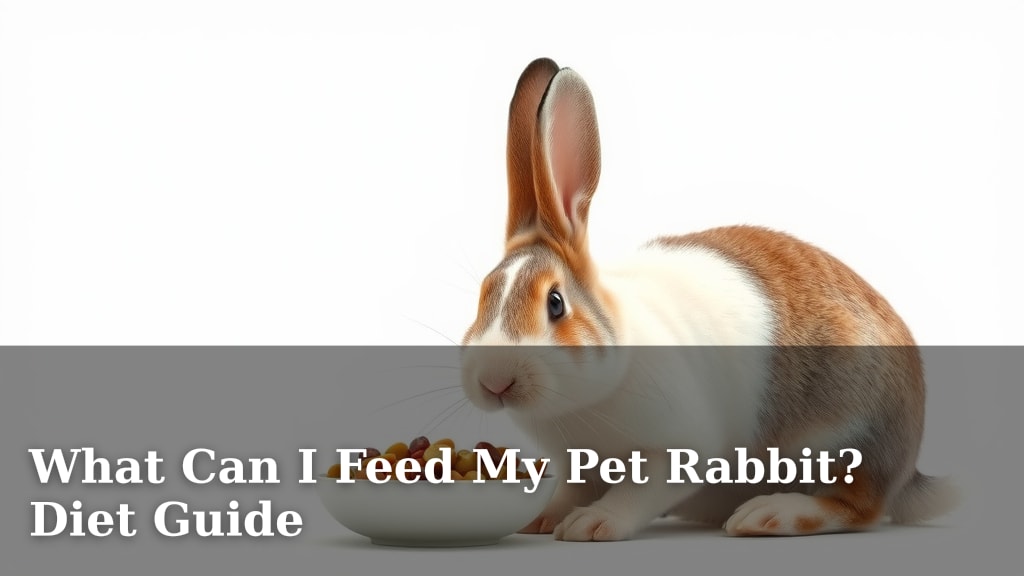
What Can I Feed My Pet Rabbit? Diet Guide
So, what can you feed your pet rabbit? You can feed your bunny a healthy diet that consists mainly of fresh hay, a limited amount of high-quality pellets, fresh vegetables, and a tiny bit of fruit. This balanced approach is key to keeping your floppy-eared friend happy and healthy.
Understanding your rabbit’s dietary needs is super important for their well-being. A rabbit’s digestive system is quite sensitive, and the right food helps prevent common health issues. We found that focusing on hay provides the necessary fiber for their digestion. Getting the mix right means your bunny gets all the nutrients they need.
- The foundation of your rabbit’s diet should be unlimited fresh hay.
- Feed high-quality rabbit pellets sparingly, about 1/8 cup per 5 lbs of body weight daily.
- Offer a variety of leafy green vegetables daily.
- Use fruits as occasional treats in very small amounts.
- Always ensure fresh, clean water is available.
Let’s walk through exactly what makes up a rabbit’s ideal diet, from the essential hay to those tempting little treats.
Nourishing Your Rabbit: A Guide to Their Essential Diet
Your rabbit’s diet is the most important factor in their health. Giving them the right foods helps prevent digestive issues. It also keeps their teeth healthy. Let’s break down what your bunny needs every day.
The Absolute Star: Hay, Hay, and More Hay!
Hay should be the main part of your rabbit’s diet. Think of it as the bread and butter for your furry friend. It should always be available to them. Unlimited access to fresh hay is crucial. It provides the fiber their digestive system needs to work properly. Without enough fiber, rabbits can suffer from serious health problems.
Which Hay is Best?
For adult rabbits, timothy hay is a fantastic choice. Orchard grass and oat hay are also good options. Young rabbits, under 7 months, can have alfalfa hay. Alfalfa is richer in calcium and protein. But adult rabbits don’t need that much. Too much calcium can lead to bladder stones.
Why Hay is So Important
Hay does three main things for your rabbit. It keeps their gut moving. This prevents stasis, a dangerous condition. It also helps wear down their constantly growing teeth. This avoids painful dental problems. Plus, chewing hay keeps them occupied. It prevents boredom and destructive behaviors.
Pellets: The Supporting Actor
Pellets are not the main course for your rabbit. They are more like a supplement. Think of them as a multivitamin for your bunny. We found that choosing high-quality, plain timothy-based pellets is best. Avoid colorful mixes with seeds, nuts, or dried fruit. These additions are unhealthy for rabbits.
How Much is Enough?
Portion control is key here. Too many pellets can lead to obesity. It can also displace the hay they need. Many experts suggest feeding about 1/8 cup of pellets per 5 pounds of body weight per day. For example, a 5-pound rabbit would get about 1/8 cup. A 10-pound rabbit would get about 1/4 cup. Always adjust based on your rabbit’s weight and health.
Fresh Vegetables: A Colorful Addition
This is where you can add variety and important nutrients. Leafy green vegetables should be offered daily. They provide vitamins, minerals, and hydration. Aim for about 1 packed cup of greens per 2 pounds of body weight each day.
What Greens Are Safe?
There’s a long list of safe and healthy greens. These include: romaine lettuce, kale, parsley, cilantro, dill, mint, and basil. You can also offer small amounts of spinach and bok choy. Many vets recommend rotating a few different types daily. This ensures a broad range of nutrients.
Introducing New Veggies
When introducing any new food, do it slowly. Start with a tiny piece. Watch for any changes in your rabbit’s droppings. If their stool becomes too soft or watery, stop feeding that vegetable. It’s best to introduce one new item at a time. This helps you pinpoint any sensitivities.
What to Avoid in Veggies
While many greens are good, some should be given sparingly or avoided. Iceberg lettuce has very little nutritional value. It can also cause diarrhea. High-calcium vegetables like kale and spinach should be fed in moderation. This is especially true for rabbits prone to bladder issues. Always wash vegetables thoroughly before serving.
Fruits and Treats: For Special Occasions Only
Fruits and commercial “rabbit treats” should be given as a very occasional reward. They are high in sugar. Too much sugar can cause digestive upset and lead to obesity. Think of them like candy for your bunny – a tiny taste is okay sometimes, but not as a regular part of their diet.
Safe Fruit Choices
If you choose to offer fruit, a small piece (about a tablespoon) a few times a week is plenty. Good options include: apple slices (no seeds!), banana (very small piece), berries, and melon. Again, portion size is critical. A little goes a very long way.
What About Commercial Treats?
Many store-bought treats contain unhealthy ingredients like seeds, nuts, and artificial colors. We found that it’s best to stick with natural options. If you want to give a treat, a small piece of a safe vegetable like a carrot or bell pepper is a better choice than a processed treat. Some research suggests that a tiny piece of a plain whole-grain cereal (like Cheerios, unsweetened) can also be used sparingly.
Water: The Unsung Hero
Never forget the importance of fresh, clean water. Your rabbit needs constant access to it. You can offer water in a heavy ceramic bowl or a sipper bottle. Many rabbits prefer bowls. Bowls allow them to drink more naturally. Make sure the bowl is cleaned daily. If using a sipper bottle, check the nozzle regularly to ensure it isn’t clogged. Dehydration can quickly become a serious health issue for rabbits.
Checklist for a Healthy Rabbit Diet
- Always have unlimited fresh hay available.
- Feed 1/8 cup of plain pellets per 5 lbs of body weight daily.
- Offer 1 packed cup of mixed leafy greens per 2 lbs of body weight daily.
- Give small portions of fruit as an occasional treat (1-2 times per week).
- Provide fresh, clean water at all times.
- Monitor your rabbit’s weight and adjust portions as needed.
Conclusion
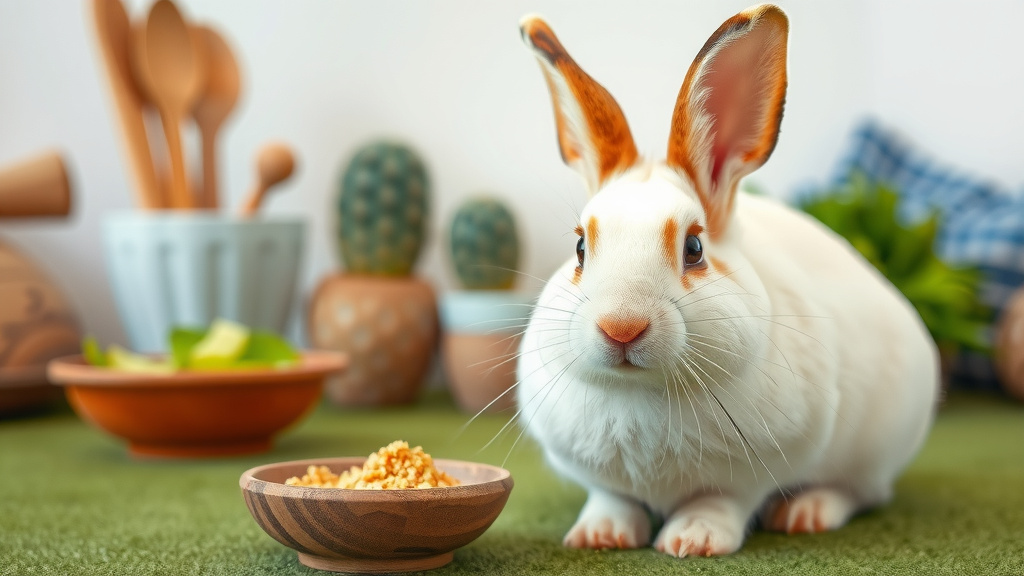
You’ve learned that a rabbit’s diet is built on a foundation of unlimited fresh hay. This is the most important element for their digestion and dental health. Supplementing with the right amount of high-quality pellets and a variety of leafy greens adds essential nutrients. Remember to offer fruits and treats sparingly as occasional rewards.
By understanding these dietary components, you’re well-equipped to provide your rabbit with the best possible nutrition. Prioritize these food groups, and always ensure fresh water is available. Take the next step by creating a consistent feeding schedule tailored to your rabbit’s specific needs and health.
Frequently Asked Questions
How much hay is too much for a rabbit?
For adult rabbits, you actually can’t give them too much hay. Unlimited fresh hay should always be available. Hay provides the essential fiber they need for a healthy digestive system and helps wear down their continuously growing teeth. It’s the cornerstone of their diet.
Can I feed my rabbit a seed mix instead of plain pellets?
No, it’s best to avoid seed mixes. These often contain unhealthy ingredients like nuts, dried fruit, and colorful bits that offer little nutritional value and can lead to digestive problems or obesity. Stick with high-quality, plain timothy-based pellets for your rabbit.
What are the signs my rabbit isn’t getting enough fiber?
Signs of insufficient fiber include lethargy, reduced appetite, small or misshapen droppings, or a lack of droppings altogether. These can indicate serious digestive issues like GI stasis. Ensure your rabbit always has access to unlimited hay.
How often should I introduce new vegetables to my rabbit?
It’s best to introduce new vegetables one at a time, waiting 2-3 days between each new addition. This allows you to monitor your rabbit for any digestive upset, like soft stools. Start with a very small piece to see how they tolerate it.
What kind of bowl is best for my rabbit’s water?
A heavy ceramic bowl is often preferred for water. Rabbits tend to drink more naturally from a bowl, and it allows for a more substantial intake compared to a sipper bottle. Just be sure to clean it daily to ensure the water stays fresh and hygienic.