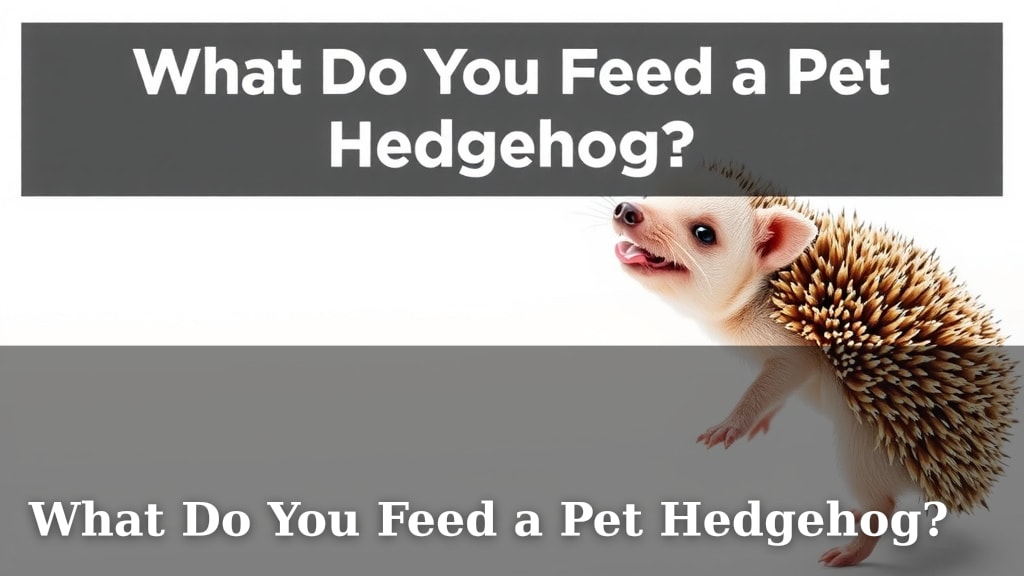
What Do You Feed a Pet Hedgehog?
Feeding your pet hedgehog can be surprisingly simple if you know what their little tummies need. Primarily, you should feed your hedgehog a high-quality, insectivore-based dry kibble specifically formulated for hedgehogs. This forms the nutritional backbone of their diet, providing essential proteins and nutrients. You can supplement this with safe insects and small amounts of fresh food, but the kibble is key.
While specialized hedgehog food is ideal, some cat foods can be a suitable alternative if carefully chosen. It’s important to select a cat food that is low in fat and high in protein, with no artificial dyes or excessive fillers. Always check ingredient lists to ensure they align with hedgehog dietary needs, avoiding ingredients like corn or certain fruits that can be harmful. A balanced diet prevents common health issues.
- Hedgehogs are primarily insectivores.
- Feed a high-quality, insectivore-based dry kibble daily.
- Supplement with safe insects (mealworms, crickets) in moderation.
- Offer small amounts of cooked, unseasoned meats or certain veggies.
- Avoid sugary foods, nuts, seeds, and raw meat.
Now, let’s dive into the specifics of what makes a good hedgehog meal and what to keep far away from your prickly friend. We’ll cover everything from their staple diet to safe treats.
Understanding Your Hedgehog’s Nutritional Needs
So, what exactly should you put in that tiny food bowl for your spiky pal? Think like a tiny, wild creature that loves to hunt and munch. Hedgehogs are, at their core, insectivores. This means their natural diet is packed with bugs! Your goal is to mimic this as closely as possible with the foods you provide.
The Staple Diet: High-Quality Kibble
The foundation of your hedgehog’s diet should be a high-quality, dry kibble. But not just any kibble will do! You’re looking for a food specifically formulated for hedgehogs. These foods are designed to meet their unique protein and fat requirements. Many experts suggest a protein content between 30-50% and a fat content around 10-20% (NCBI). This might seem high, but remember, they are active little hunters!
What to Look for in Hedgehog Kibble
Always check the ingredient list. The first few ingredients should be a meat source, like chicken or lamb. You want to avoid kibbles that have a lot of corn, peas, or other fillers as their primary ingredients. These don’t offer the dense nutrition your hedgehog needs and can lead to weight issues or digestive problems. Also, steer clear of artificial colors and flavors; your hedgehog’s digestive system is sensitive.
When Cat Food Might Be an Option
If you absolutely can’t find a hedgehog-specific food, a high-quality, low-fat, high-protein cat food can be a temporary substitute. This is a big ‘if’, though! You need to be very selective. Look for one where meat is the first ingredient and the fat content is 10-15% or lower. Many cat foods are simply too high in fat for hedgehogs. Always consult your veterinarian before making this switch to ensure it’s a safe choice for your specific pet.
Supplementing Your Hedgehog’s Diet Safely
While kibble provides the bulk of their nutrition, a little variety can be good. Think of these as the fun treats or small additions that make their meals more exciting and nutritionally complete.
Insect Snacks: The Ultimate Treat
Because hedgehogs are insectivores, offering safe, live insects is often a highlight of their day. Mealworms, crickets, and waxworms are popular choices. These provide excellent protein and are a natural way for your hedgehog to engage their hunting instincts. However, don’t go overboard! Too many fatty insects like waxworms can lead to obesity.
How Often Should You Offer Insects?
A few mealworms or crickets a couple of times a week is usually plenty. Think of them as a healthy dessert, not the main course. Overfeeding insects can disrupt the balanced diet provided by their kibble and lead to health problems. It’s always best to feed insects that have been gut-loaded (fed nutritious food themselves) and are from a reputable supplier to ensure they are healthy for your pet.
Fruits and Vegetables: A Tiny Taste
Can your hedgehog have a bit of fruit or veg? Yes, but only certain kinds and in very small amounts. Think of it as a tiny sprinkle of confetti on their meal. Small pieces of cooked chicken or turkey (unseasoned, of course) are also acceptable tiny additions. Certain vegetables like cooked carrots, peas, or green beans can be offered. Some fruits like apples (no seeds!), bananas, or berries can be given as very occasional treats.
What to Absolutely Avoid
This is super important! Many common human foods are dangerous for hedgehogs. Never feed your hedgehog dairy products (they are lactose intolerant), nuts, seeds, or anything high in sugar. Raw meat is also a no-go, as it can carry harmful bacteria. Avoid avocado, grapes, raisins, and onions, as these are toxic. When in doubt, leave it out!
Portion Control and Feeding Schedule
How much should you actually feed your little friend? It’s not a huge amount, but it’s important to get it right to keep them healthy and at a good weight.
Daily Feeding Amounts
A general guideline is about 1-2 tablespoons of kibble per day for an adult hedgehog. However, this can vary based on the hedgehog’s age, activity level, and the specific kibble you’re using. It’s best to monitor your hedgehog’s weight and adjust portions as needed. You don’t want them to be too skinny or too chunky!
Establishing a Routine
Most hedgehog owners find it easiest to feed their pets in the evening. This is because hedgehogs are nocturnal, meaning they are most active at night. You can place their food and a fresh bowl of water down before you settle in for the night. Removing any uneaten fresh food the next morning is a good practice to prevent spoilage.
Hydration is Key
Don’t forget water! Your hedgehog needs constant access to fresh, clean water. A sipper bottle is typically the best way to provide water, as it stays cleaner than a bowl. Check the bottle daily to ensure it’s working properly and that your hedgehog is actually drinking from it. If you use a bowl, clean and refill it daily.
A Quick Checklist for Safe Foods:
- High-Quality Hedgehog Kibble: The daily staple.
- Safe Insects: Mealworms, crickets (in moderation).
- Cooked Meats: Unseasoned chicken, turkey.
- Certain Cooked Veggies: Carrots, peas, green beans.
- Limited Fruits: Apple slices, small bits of banana or berries.
- Fresh Water: Always available.
Conclusion
You’ve learned that feeding your hedgehog is all about understanding their insectivore nature. A high-quality kibble forms the base, keeping their diet balanced. Supplementing with safe insects and tiny amounts of cooked meats or specific veggies adds variety and enrichment. Always prioritize water and avoid harmful foods like dairy or nuts. By sticking to these guidelines, you’re setting your prickly friend up for a healthy and happy life.
Your next step is to check your hedgehog’s current food and ensure it meets these standards. If not, it’s time to make a switch to a healthier, species-appropriate diet.
Frequently Asked Questions
What are the main signs of an unhealthy diet in hedgehogs?
You might notice changes in their weight, either too much gain or loss. Digestive issues like diarrhea or constipation are also common indicators. Lethargy or a dull coat can sometimes point to dietary problems too.
Can I feed my hedgehog table scraps?
Generally, no. Most human table scraps are not suitable for hedgehogs. Foods high in sugar, salt, or fat can be harmful, and many common ingredients are toxic. It’s safest to stick to specialized hedgehog foods and approved treats.
How much should I be feeding my baby hedgehog?
Younger hedgehogs are growing and more active, so they may need slightly more food than adults. A general guideline is around 1-2 tablespoons of kibble, but monitor their weight and adjust as needed. Consult your vet for specific recommendations for your hoglet.
Is it okay to mix hedgehog kibble with wet cat food?
While some low-fat cat foods can be a substitute in a pinch, regularly mixing wet cat food with dry kibble isn’t ideal. Wet foods can spoil quickly and may not offer the balanced nutrition your hedgehog needs. Stick to dry kibble as the staple and use approved treats sparingly.
What should I do if my hedgehog refuses to eat its new food?
It can take time for hedgehogs to adjust to new foods. Try mixing a small amount of the new kibble with their old food, gradually increasing the new food over a week. Ensure fresh water is always available and that their environment is comfortable, as stress can affect appetite.