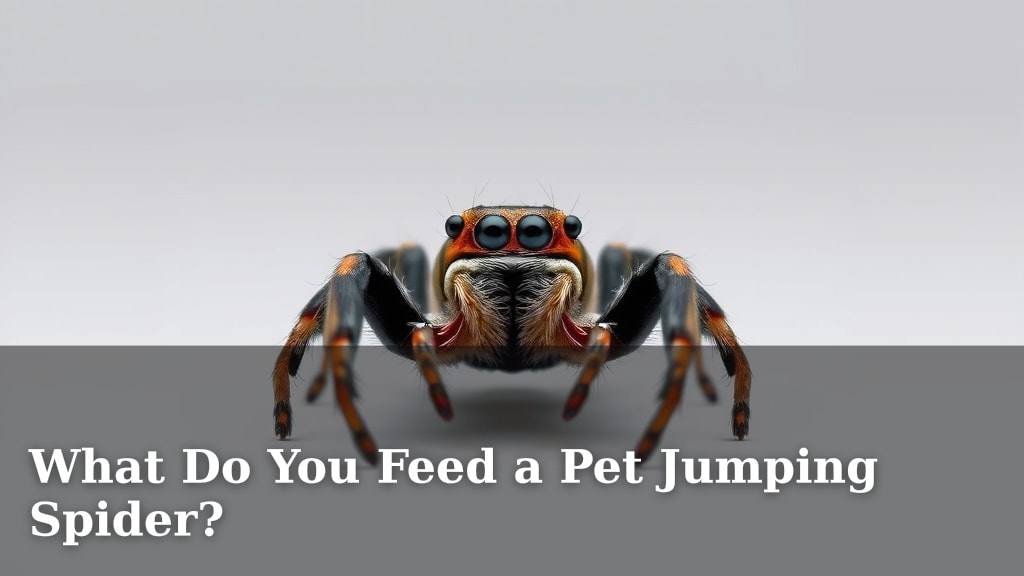
What Do You Feed a Pet Jumping Spider?
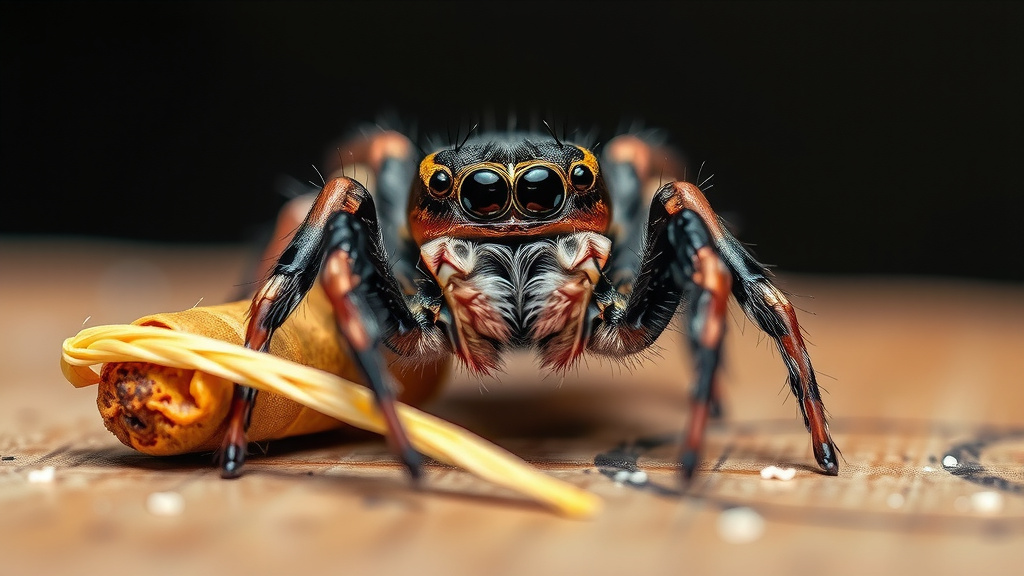
Feeding your pet jumping spider is quite simple! You’ll mainly feed them small insects like fruit flies, pinhead crickets, or small mealworms. The key is to offer appropriately sized prey that your spider can easily handle. These tiny hunters are opportunistic, so offering the right kind of live food is your main job as their caregiver.
Understanding their diet is essential for their health and well-being. Jumping spiders have specific nutritional needs based on their species and age. We found that providing a varied diet ensures they get all the necessary vitamins and minerals. It’s also important to know that larger species may require larger prey items.
- Feed your jumping spider small, live insects.
- Common food includes fruit flies and tiny crickets.
- Match prey size to your spider’s size.
- Offer food a few times a week, less for mature spiders.
- Hydration is also key, usually from water droplets.
Let’s walk through exactly what to feed your jumping spider and how often to keep them happy and healthy!
Feeding Your Jumping Spider: What They Eat
So, you’ve welcomed a tiny jumping spider into your home! Wonderful. Now, the big question is: what exactly do these miniature acrobats eat? It’s simpler than you might think. You’ll be feeding them a diet of small, live insects. Think of it like providing tiny, energetic snacks for your pet. The most important rule is to match the food size to your spider’s size. A giant cricket would be like a whole Thanksgiving turkey to a tiny spider – overwhelming and impossible to catch!
The Staple Diet: What Insects Are Best?
The most common and easiest-to-find food for pet jumping spiders is fruit flies. These are perfect for the smaller species and spiderlings. Once your spider grows a bit, or if you have a larger species, you can move up to slightly bigger prey. Pinhead crickets (baby crickets) are another excellent choice. They’re small, readily available, and usually very active, which can entice your spider to hunt. Other good options include tiny mealworms or even small roaches, like dubia roaches, if they are appropriately sized for your spider.
Sizing Up the Meal: A Crucial Step
This is where many new owners get a little unsure. How do you know if the insect is the right size? A good rule of thumb is that the prey should be no larger than the length of your spider’s body. If the insect is much bigger, your spider might not be able to take it down, or it could even injure your spider. You want to see your spider successfully hunt and consume its meal. A good feeder insect is one that can dart around a bit but is still easily manageable.
We found that feeding a spider that is too large for the prey is a common mistake. It leads to uneaten food, which can become a problem in the enclosure. It’s better to err on the side of slightly too small than too big. Remember, these spiders are ambush predators, and they rely on quick pounces. They can’t wrestle prey that’s bigger than them!
How Often Should You Feed Them?
Feeding frequency depends largely on your spider’s age and species. Spiderlings and younger spiders need to eat more often to fuel their rapid growth. Many keepers feed spiderlings almost daily or every other day. As your jumping spider matures into an adult, their metabolism slows down. You can then reduce feeding to once or twice a week. It’s actually beneficial for adult spiders to have a day or two between meals. This mimics their natural environment where food isn’t always readily available.
How can you tell if your spider is hungry? Look at their abdomen. If it’s plump and rounded, they are likely well-fed. If the abdomen looks a bit shrunken or deflated, it’s probably time for a meal. We found that overfeeding can be just as problematic as underfeeding, so keep an eye on your spider’s body condition.
Beyond the Insects: Water and Supplements
While live insects are the main course, hydration and occasional extras are also important for your jumping spider’s health.
Keeping Them Hydrated: More Than Just Water Bowls
You won’t be putting a tiny water bowl in your spider’s enclosure. Jumping spiders get most of their hydration from the moisture in their prey and by drinking water droplets. Misting their enclosure lightly with a spray bottle a few times a week is usually sufficient. The water droplets that cling to the sides of the enclosure or to the substrate mimic dew. Your spider will drink these directly. Ensure you let the enclosure dry out a bit between mistings to prevent mold growth. This is a key point for maintaining a healthy habitat (CDC).
We found that many keepers are concerned about providing enough water. If you see tiny droplets on the enclosure walls, your spider is likely getting what it needs. Avoid heavy misting that saturates the substrate; a light mist is perfect. Some keepers also offer a small, damp piece of sponge or cotton ball, but this needs to be changed frequently to avoid bacteria.
To Dust or Not to Dust? Supplements for Jumping Spiders
For most common pet jumping spiders, a varied diet of appropriately sized live insects is usually enough. However, some experienced keepers choose to use calcium powder or multivitamin supplements designed for small reptiles or insects. This is typically done for breeding females or very young spiderlings to ensure they get all necessary nutrients.
If you decide to supplement, use a very light dusting of the powder on the prey insect before offering it. Too much supplement can be harmful. We found that many common species thrive without any supplements when provided with high-quality, gut-loaded prey. Gut-loading means feeding the feeder insects a nutritious diet beforehand, which passes those nutrients to your spider.
| Spider Size | Recommended Prey | Frequency |
|---|---|---|
| Spiderling (tiny) | Fruit flies | Daily or every other day |
| Juvenile (small) | Pinhead crickets, small fruit flies | Every 2-3 days |
| Juvenile (medium) | Small crickets, small mealworms | Every 2-4 days |
| Adult (small species) | Medium crickets, small mealworms | 1-2 times per week |
| Adult (larger species) | Medium to large crickets, larger mealworms | 1-2 times per week |
Tips for Successful Feeding
Feeding your jumping spider should be a rewarding experience. Here are a few tips to make it go smoothly.
Live Prey is Key
Jumping spiders are hunters. They are drawn to movement. This is why live prey is essential. Dead insects won’t typically trigger their hunting instinct. You need that natural behavior to keep them stimulated and well-fed. The chase is part of their life!
Where to Get Your Feeder Insects
You can buy feeder insects online from various pet supply stores or reptile specialty shops. Many local pet stores also carry them. If you’re feeling adventurous, you can even culture your own fruit flies at home. This ensures you always have a fresh supply on hand.
What to Do with Leftover Food
If your spider doesn’t eat the prey item you offer, don’t leave it in the enclosure for too long. A live cricket or fly can potentially harm your spider, especially if it’s injured or stressed. Remove uneaten prey after a few hours or by the end of the day. You can often offer it to your spider again later. We found that sometimes they just aren’t in the mood!
Observing Your Spider’s Eating Habits
Pay attention to your spider. Are they actively hunting? Are they eating the prey? Are they leaving anything behind? These observations will help you adjust feeding schedules and prey types as needed. Every spider is an individual.
A Quick Feeding Checklist for You:
- Offer live insects only.
- Match prey size to your spider.
- Feed spiderlings more often than adults.
- Remove uneaten prey promptly.
- Always ensure fresh water droplets are available.
- Observe your spider for hunger cues.
Conclusion
You’re now well-equipped to keep your jumping spider happy and well-fed! Remember, the key is offering small, live insects that are sized just right for your little hunter. Paying attention to their abdomen size and feeding frequency will help you gauge their needs. Providing fresh water droplets ensures they stay hydrated. Continue observing your spider’s behavior to fine-tune their diet. With these simple steps, you’re setting your jumping spider up for a healthy and vibrant life!
Frequently Asked Questions
Can I feed my jumping spider dead insects?
Jumping spiders rely on movement to trigger their hunting instincts. While some might occasionally nibble on dead prey, they are far more likely to engage with and eat live insects. Live prey also provides essential stimulation and activity for your spider.
What should I do if my jumping spider doesn’t eat the offered prey?
If your spider doesn’t eat, don’t worry! It’s best to remove the uneaten prey after a few hours to prevent any potential harm to your spider. You can often try offering the same prey again later or the next day. Sometimes, they’re just not in the mood to hunt.
How do I know if my jumping spider is getting enough to drink?
You won’t typically see a water dish. Jumping spiders drink water droplets from misting. If you see small beads of water on the enclosure walls after misting, your spider is likely getting enough hydration. Ensure you let the enclosure dry slightly between mistings.
Are fruit flies the only option for tiny spiderlings?
Fruit flies are ideal for very young spiderlings due to their small size. As they grow, you can gradually introduce slightly larger prey like pinhead crickets. Always ensure the prey is no larger than your spider’s body length.
Can I feed my jumping spider the same food every day?
Variety can be beneficial, but consistency with appropriate prey is more important. For spiderlings, daily or every-other-day feeding is common. Adult spiders do well with meals just once or twice a week, allowing them days between feedings.