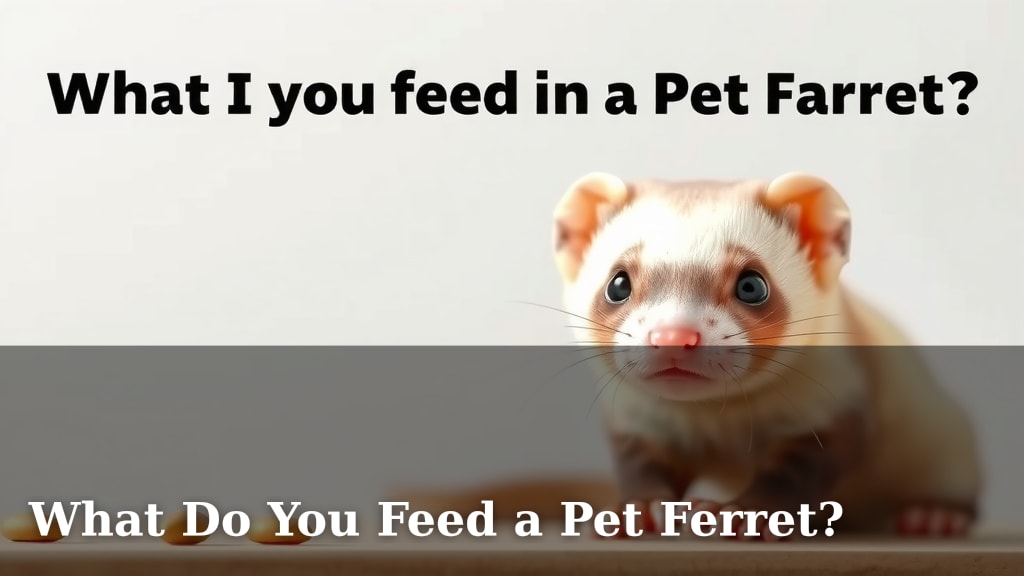
What Do You Feed a Pet Ferret?
Feeding your pet ferret the right food is essential for their health. You should feed them a diet that is high in animal protein and fat. This mimics their natural carnivorous diet and provides the energy they need. Commercial ferret foods are often the best choice for this.
Unlike cats or dogs, ferrets have specific dietary needs. They have short digestive tracts designed to process meat quickly. This means they require food with ingredients like chicken or lamb as the first few items listed. Avoiding foods high in fiber or carbohydrates is also important for their well-being.
- Feed ferrets a diet high in animal protein and fat.
- Choose commercial ferret foods formulated for their specific needs.
- Look for meat sources like chicken or lamb as primary ingredients.
- Avoid foods with high fiber or carbohydrate content.
- Always ensure fresh water is available.
We’ve gathered information to help you understand exactly what your ferret should be eating. Let’s walk through the best options for your furry friend’s diet.
Feeding Your Ferret: What’s Best on the Menu?
Your ferret needs a diet that mirrors their wild ancestors. They are obligate carnivores. This means their bodies are designed to thrive on meat. Feeding them correctly keeps them healthy and happy. We’ve gathered key information to guide you.
Understanding the Ferret Diet: A Carnivore’s Needs
Ferrets have a unique digestive system. It’s short and efficient for processing animal protein and fat. They don’t digest plant matter or carbohydrates well. This is why the right food is so important for their well-being. Think of them like tiny lions, needing a meat-centric meal plan.
The Core Components of a Ferret’s Diet
The best diets for ferrets are high in animal protein. Aim for at least 30-40% protein. Fat content should also be high, around 18-30% (The American Ferret Association). Animal fat provides essential energy for these active creatures. It also helps with nutrient absorption. Look for named meat sources at the top of the ingredient list. Chicken, lamb, or turkey are excellent choices.
What to Avoid in Ferret Food
Certain ingredients can cause health problems for ferrets. High fiber foods are hard for them to digest. Foods rich in carbohydrates, like corn or grains, are also not ideal. These can lead to digestive upset and even serious health issues over time. Avoid foods that list vegetables or fruits as main ingredients. Sweet potatoes and peas are common in some foods but can be problematic.
The Dangers of Plant-Based Ingredients
Many commercial pet foods try to cut costs. They do this by using cheaper, plant-based fillers. Ferrets cannot efficiently process these. This can lead to nutrient deficiencies. It can also cause blockages in their short digestive tracts. Always check the ingredient list carefully. Prioritize animal products.
Choosing the Right Commercial Ferret Food
You’ll find many ferret food brands on the market. Not all are created equal. The most important step is selecting a food specifically formulated for ferrets. These are designed with their unique nutritional needs in mind. Generic “kitten” or “cat” foods are not a suitable substitute, despite similarities.
Key Ingredients to Look For
When you pick up a bag of ferret food, turn it over. Read the ingredient list. The first few ingredients should be sources of animal protein. These include things like:
- Chicken Meal
- Lamb Meal
- Dehydrated Chicken
- Turkey Meal
Ingredients to Steer Clear Of
Be wary of foods that list these ingredients high up:
- Corn
- Wheat
- Soy
- Vegetable Protein
- Peas
- Fruits
Why “Kitten Food” Isn’t the Best Option
Some people suggest feeding high-quality kitten food. While it might seem similar, it’s usually not ideal. Kitten foods can have lower protein and fat percentages. They often contain more carbohydrates and plant-based ingredients. Ferrets have different metabolic needs than kittens. It’s best to stick to a food labeled for ferrets.
Alternative and Supplemental Feeding Options
While commercial kibble is convenient, some owners explore other options. These require careful planning and research. Always consult your veterinarian before making significant dietary changes.
Raw Diets for Ferrets
A raw diet mimics what ferrets would eat in the wild. It typically includes raw muscle meat, organs, and bones. Many ferret owners find success with this approach. However, it’s crucial to balance the diet correctly. An improperly balanced raw diet can lead to nutritional deficiencies or excesses (National Ferret Academy). This requires dedication and knowledge to do it right.
Treats: What’s Okay and What’s Not
Ferrets love treats! But they should be given sparingly. Good options include small pieces of cooked meat. Dried meat treats specifically made for ferrets are also popular. Avoid sugary treats or anything with high carbohydrate content. Raisins, fruits, and dairy products should be avoided entirely. Too many treats can lead to obesity and health problems.
Fresh Water is Non-Negotiable
No matter what food you choose, access to fresh, clean water is vital. Ferrets can dehydrate quickly. Provide water in a heavy ceramic bowl that they can’t tip over. Many owners also use sipper bottles. Ensure the nozzle works properly and your ferret knows how to use it.
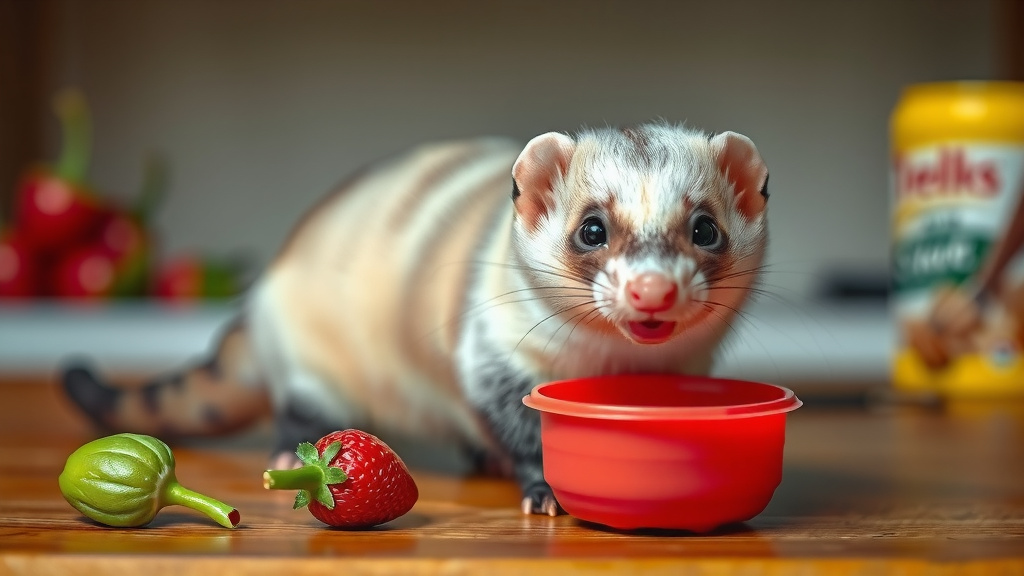
A Quick Checklist for Ferret Food Shopping
Making the right choice at the pet store can feel overwhelming. Here’s a quick checklist to help you:
- Is it labeled “Ferret Food”?
- Are the first few ingredients meat-based (chicken, lamb)?
- Is the protein content 30-40% or higher?
- Is the fat content 18-30%?
- Does it avoid corn, grains, and excessive plant matter?
- Does it contain added sugars or artificial colors? (Avoid if yes!)
When to Consult Your Veterinarian
Your veterinarian is your best resource. They can offer personalized advice. They can help you choose the best food for your specific ferret. This is especially important if your ferret has any health conditions. Discuss any dietary changes with them first. They can guide you on appropriate portions and feeding schedules.
Conclusion
Feeding your ferret a diet rich in animal protein and fat is key to their health. You’ve learned that choosing a commercial ferret food with meat as the first ingredient is best. Always check labels for high protein and fat content. Avoid fillers like corn and grains. Providing fresh water is also a must for your energetic companion. Your next step is to take your checklist to the pet store. You’re now equipped to make a smart food choice for your ferret’s well-being.
Frequently Asked Questions
Can I feed my ferret cat food?
It’s generally not recommended to feed your ferret cat food. While some cat foods are high in protein, they often contain ingredients ferrets can’t digest well. Ferret-specific foods are formulated to meet their unique dietary needs as obligate carnivores.
How much should I feed my ferret?
Ferrets have fast metabolisms and typically eat several small meals throughout the day. The exact amount depends on the ferret’s age, activity level, and the specific food you choose. Consult your veterinarian or the food packaging for guidance on portion sizes.
Are fruits and vegetables bad for ferrets?
Yes, fruits and vegetables are not ideal for ferrets. Their short digestive tracts are not designed to process plant matter effectively. These foods can lead to digestive upset and nutrient deficiencies. It’s best to stick to a meat-based diet for your ferret.
What kind of treats are safe for ferrets?
Safe treats for ferrets include small pieces of cooked meat or commercially made dried meat treats specifically for ferrets. You should always give treats in moderation. Avoid sugary treats, fruits, dairy, and anything high in carbohydrates or fiber.
Why is fresh water so important for ferrets?
Ferrets can dehydrate quickly, making constant access to fresh, clean water essential. They need water available at all times to stay healthy and energetic. You can use a heavy ceramic bowl or a sipper bottle, ensuring it’s always full and clean.