What Do You Feed a Pet Crab?
Feeding your pet crab is simpler than you might think! Feeding your pet crab is simpler than you might think, and this guide explains how.Crabs are opportunistic omnivores, meaning they’ll eat a variety of foods, including pellets, fruits, vegetables, and even small bits of protein. The key is variety and balance to ensure they get all the nutrients they need for a healthy, active life. What exactly is safe and best for your little crustacean friend?
Understanding your specific crab species is vital. While many common pet crabs, like hermit crabs, have similar dietary needs, some species might require specialized foods. We found that a diet mimicking their natural foraging habits is generally the most successful. Think about what they’d find on a beach or in a forest – that’s a great starting point for their meals, focusing on fresh, unprocessed ingredients whenever possible.
- Pet crabs are omnivores, eating pellets, fruits, veggies, and protein.
- Variety is key to a balanced diet for your crab.
- Research your specific crab species for unique needs.
- Fresh, unprocessed foods are often best.
- Avoid processed human foods with salt or preservatives.
Ready to get your crab’s dinner plate looking amazing? Let’s dive into the details of what makes a delicious and nutritious meal for your shelled companion.
Feeding Your Little Crustacean Friend
What should you put in your pet crab’s food bowl? Many pet crab owners wonder about the best diet. Crabs are pretty adaptable eaters. They enjoy a wide variety of foods. The most important thing is to offer a balanced diet. This helps them stay healthy and active. Think of it like a buffet for your crab.
Understanding Your Crab’s Nutritional Needs
Your crab’s diet should mimic what they eat in the wild. They are natural foragers. This means they eat many different things. Their diet is mostly plant-based. They also eat small amounts of protein. This variety is key to their health.
The Role of Commercial Crab Food
You can find specialized food for pet crabs. These are often pellets or mixes. They are designed to be nutritionally complete. Many experts suggest using these as a base. However, don’t rely on them alone. Fresh foods add important vitamins and minerals.
We found that a good quality commercial food can be a great start. It ensures they get essential nutrients. Always check the ingredients. Look for foods with natural components. Avoid anything with artificial colors or preservatives.
Fresh Foods: The Stars of the Show
Fresh foods are vital for your crab. They provide hydration and essential nutrients. You can offer a mix of fruits and vegetables. Always wash them thoroughly before feeding.
Safe Fruits for Your Crab
Many fruits are safe and healthy. Apples, bananas, and berries are good choices. Mangoes and papayas are also excellent. Just remove seeds and pits. Offer small pieces so they are easy to manage. Too much sugar can be harmful, so moderation is key.
Edible Vegetables for Your Crab
Leafy greens are a great staple. Spinach, kale, and romaine lettuce are good options. Carrots, peas, and sweet potatoes are also beneficial. You can offer them raw or lightly cooked. Avoid starchy vegetables like potatoes in large amounts. Many guidelines point to leafy greens as a good first step (NCBI).
Protein Sources: A Treat, Not a Staple
Crabs need protein, but not a lot. Small amounts can be offered a few times a week. Cooked chicken, turkey, or fish are good options. Shrimp or mealworms are also popular. Ensure any meat is plain. Do not season it with salt or spices. A tiny piece of hard-boiled egg can also be a treat. Too much protein can be hard on their system.
What to Absolutely Avoid
Some human foods are dangerous for crabs. Salt is toxic to most land crabs. Avoid anything processed or salty. This includes chips, crackers, and salted nuts. Processed meats are also a no-go due to salt and preservatives. Citrus fruits in large amounts can also be harmful. Dairy products are generally not recommended. Always double-check if a food is safe before offering it.
The Danger of Preservatives and Additives
Many commercial human foods contain chemicals. These can cause serious health problems for your crab. They may struggle to digest them. Some additives can even be poisonous. Stick to natural, fresh foods as much as possible. Your crab’s health is worth the extra effort.
The Salt Issue: A Critical Warning
It bears repeating: avoid salt at all costs. Many crabs, especially hermit crabs, are extremely sensitive to salt. They do not have the same ability to process it as we do. Even trace amounts can be detrimental. Always ensure their environment and food are salt-free.
Creating a Balanced Meal Plan
Variety is the spice of life for your crab! Aim to offer a mix of foods daily. A good approach is a base of commercial food. Then, add fresh fruits, vegetables, and a small protein source. Rotate the types of foods you offer.
You can set up a feeding schedule. This ensures consistency. For example, offer greens daily. Fruits can be offered a few times a week. Protein can be given once or twice a week. This mimics their natural foraging behavior. We found that this variety keeps them interested and well-nourished.
How Much Should You Feed?
Crabs are small creatures. They do not eat a lot. Offer a small amount of food that they can finish in a day. Remove any uneaten food within 24 hours. This prevents spoilage and mold. Mold can be very harmful to your crab. It’s better to offer small portions frequently.
Water: The Essential Ingredient
Fresh, clean water is non-negotiable. You should offer two types of water. One should be dechlorinated fresh water. The other should be marine salt water. Use a reputable brand of marine salt mix for this. The salinity should be appropriate for your crab species. Many experts recommend a specific gravity between 1.020 and 1.023 (Marine Aquarium Society).
Always use shallow dishes for water. This prevents drowning. Small pebbles or sponges can help smaller crabs get out. Ensure the water is changed daily. This keeps it clean and free of bacteria. Dechlorinated water is crucial. Chlorine is toxic to your crab.
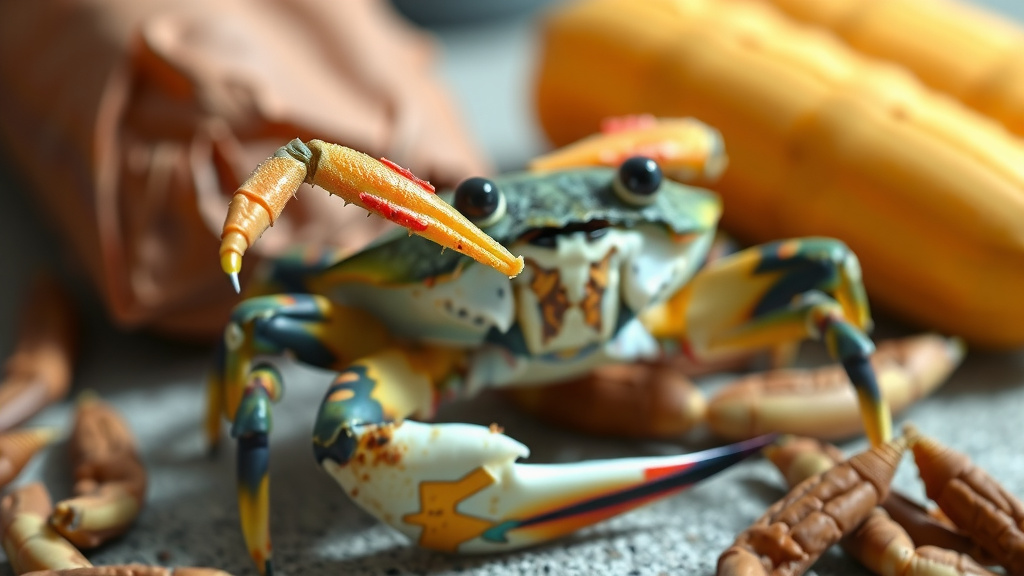
Quick Feeding Checklist for Your Crab
- Offer a high-quality commercial crab food.
- Include a variety of fresh fruits daily.
- Add safe vegetables to their diet.
- Provide small protein treats occasionally.
- Always ensure fresh, dechlorinated water is available.
- Offer a separate dish of marine salt water.
Conclusion
Feeding your pet crab is all about offering a balanced, varied diet that mimics their natural foraging habits. By combining a good quality commercial crab food with fresh fruits, vegetables, and occasional protein, you’re setting your crab up for a healthy life. Remember to always provide both dechlorinated fresh water and appropriate marine salt water. Your commitment to providing the right nutrition and hydration makes all the difference for your shelled friend. Start by reviewing what you’re currently feeding your crab and making small, healthy adjustments today.
Frequently Asked Questions
How often should I feed my pet crab?
You should offer your crab a small amount of food that they can finish within a 24-hour period. Remove any uneaten food promptly to prevent spoilage and the growth of harmful mold. It’s generally better to feed smaller portions more frequently than one large meal.
Can my pet crab eat leftovers from my plate?
It’s best to avoid feeding your crab human leftovers. Most human foods contain salt, preservatives, or seasonings that are toxic to crabs. Stick to fresh, unprocessed ingredients that are known to be safe for their species to ensure their health.
What kind of commercial food is best for pet crabs?
Look for a high-quality commercial crab food that lists natural ingredients. It should be designed to be nutritionally complete. While commercial foods can be a good base, they should always be supplemented with fresh foods for optimal nutrition and variety.
Is it okay to feed my crab citrus fruits?
Citrus fruits like oranges and lemons should be offered sparingly, if at all. While some crabs might tolerate very small amounts, the high acidity can be harmful. It’s safer to stick with lower-acid fruits like apples, berries, and bananas.
How do I know if my crab is eating enough?
Observe your crab’s activity level and general appearance. If your crab is active, molting successfully, and has a healthy exoskeleton, it’s likely eating enough. If you notice lethargy or weight loss, you may need to adjust the variety or quantity of food offered.