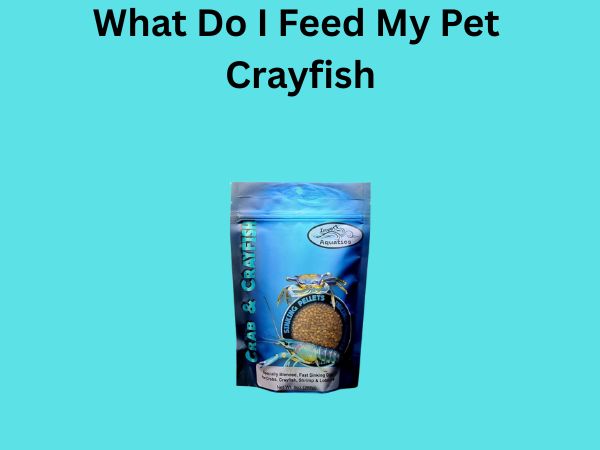
What Do I Feed My Pet Crayfish? Complete Tank Feeding Guide
So you’ve brought home a crayfish, and now you’re staring at this little freshwater crustacean wondering exactly what it wants to eat. Don’t worry—you’re not alone in this confusion. Many new crayfish owners find themselves scratching their heads over proper nutrition, and that’s completely understandable. These fascinating creatures have specific dietary needs, and getting it right makes all the difference between a thriving pet and one that’s merely surviving.
Think of feeding your crayfish like maintaining a balanced diet for yourself. You wouldn’t survive on just one food group, and neither will your crayfish. The key is variety, proper portions, and understanding what these opportunistic feeders naturally consume in the wild. Let me walk you through everything you need to know.
Understanding Your Crayfish’s Natural Diet
Before we talk about what to put in your tank, let’s understand what crayfish actually eat in nature. In the wild, these bottom-dwelling creatures are basically the cleanup crew of freshwater ecosystems. They’re scavengers and omnivores, meaning they eat just about anything they can get their claws on—both plant and animal matter.
Crayfish are like tiny underwater garbage disposals, hunting for decaying vegetation, dead fish, insects, snails, and smaller aquatic creatures. They’re not picky eaters, but they do prefer variety. This understanding is crucial because it tells us that our pet crayfish needs a mixed diet to stay healthy and happy in captivity.
Primary Food Sources for Your Pet Crayfish
High-Quality Pellets as a Foundation
The backbone of your crayfish’s diet should be high-quality sinking pellets. These are specifically formulated to meet the nutritional requirements of bottom-feeding crustaceans. Look for pellets that sink quickly—this is important because crayfish are bottom feeders and won’t chase food that floats on the surface.
Feed your crayfish a small amount of quality pellets daily. A good rule of thumb is to provide an amount they can consume within two to three hours. Overfeeding is a common mistake among new crayfish owners, so resist the urge to dump in large quantities. It’s better to feed small amounts regularly than to risk water quality issues from uneaten food decomposing in the tank.
Vegetables and Plant Matter
Your crayfish absolutely needs vegetables. This is where you can get creative and provide natural enrichment. Crayfish love munching on blanched vegetables—and yes, blanching is important. You’ll want to blanch vegetables by briefly boiling them and then cooling them in cold water. This softens the texture, making them easier for your crayfish to eat, and it also helps eliminate any potential pesticides.
Here are some excellent vegetable choices:
- Zucchini slices
- Spinach leaves
- Carrots
- Cucumber pieces
- Lettuce (romaine or iceberg)
- Broccoli florets
- Peas
- Sweet potato pieces
Offer vegetables two to three times per week. Place them directly in the tank, and remove any uneaten portions after 24 hours to prevent water quality deterioration. You’ll often notice your crayfish becoming more active when vegetables appear—they genuinely enjoy the feeding experience and the variety it provides.
Protein-Rich Foods
Crayfish are opportunistic hunters, so they need protein. This is where you can mimic their natural diet by providing various protein sources. Live foods are excellent enrichment, but even frozen options work wonderfully.
Consider offering:
- Bloodworms (frozen or live)
- Brine shrimp (frozen or live)
- Daphnia
- Small snails
- Earthworm pieces
- Crickets
- Shrimp pellets
Protein sources should be offered once or twice per week. Live foods are especially beneficial because they stimulate your crayfish’s natural hunting instincts, providing mental stimulation and physical exercise. If you’re concerned about introducing parasites or diseases through live foods, frozen options are perfectly safe and convenient.
Specialty Foods and Treats
Wood and Calcium Sources
Here’s something many beginners don’t realize: crayfish need to chew on wood-based materials. This isn’t just entertainment—it’s essential for their exoskeleton health and digestion. Driftwood, spider wood, or specialized crayfish shelters made from natural materials serve this purpose.
Additionally, crayfish require adequate calcium for proper molting, the process where they shed their old exoskeleton to grow. Without sufficient calcium, your crayfish may experience soft-shell syndrome after molting, which can be fatal. Provide calcium through:
- Cuttlebone pieces
- Calcium supplements designed for freshwater crustaceans
- Mineral-rich vegetables like collard greens
- Specialized mineral blocks
Occasional Treats
Every now and then, you can offer special treats that your crayfish will absolutely love. Think of these as the desserts in their diet—not essential, but definitely appreciated. Occasional treats might include bits of raw fish, shrimp meat, or squid. These high-protein items are like a special dinner night for your crustacean friend.
However, keep these treats truly occasional—maybe once every two weeks. They’re calorie-dense and can contribute to overfeeding if given too frequently. The key is balance and moderation.
Creating a Feeding Schedule
Daily Feeding Routine
Establishing a consistent feeding schedule helps maintain water quality and allows you to monitor your crayfish’s health. A reliable routine might look like this:
- Monday: Sinking pellets plus small amount of blanched zucchini
- Tuesday: Sinking pellets only
- Wednesday: Sinking pellets plus frozen bloodworms
- Thursday: Sinking pellets plus blanched spinach
- Friday: Sinking pellets with calcium supplement
- Saturday: Sinking pellets plus brine shrimp
- Sunday: Sinking pellets only (lighter feeding day)
This is just one example—you can adjust based on your crayfish’s preferences and your schedule. The important thing is consistency. Crayfish thrive on routine, and a predictable feeding schedule actually reduces stress in your aquarium.
Portion Control Guidelines
How much should you actually feed? This depends on your crayfish’s size and age. For adults, a piece of sinking pellet roughly the size of their head is appropriate daily. For vegetables, a piece about the size of your crayfish’s body works well. With protein treats, even smaller portions are sufficient.
The golden rule is to feed less rather than more. Excess food decays in the tank, raising ammonia and nitrate levels, which can harm your crayfish. It’s much easier to add more food if your crayfish seems hungry than to deal with a polluted tank. Remember, crayfish are scavengers—they’re used to periods without food in the wild, so occasional light feeding days won’t hurt them.
Foods to Avoid
Harmful and Toxic Foods
Not everything is safe for your crayfish to eat. Some foods are outright dangerous, while others might seem harmless but can cause problems. Understanding what to avoid is just as important as knowing what to feed.
Never offer your crayfish:
- Foods high in salt or spices
- Processed human foods
- Fatty meats or oil-based foods
- Chocolate or sweet treats
- Garlic or onion
- Avocado
- Foods treated with pesticides or chemicals
- Moldy or decomposing materials
These foods can harm your crayfish’s digestive system or introduce toxins. Some, like avocado, are outright toxic. When in doubt, stick with whole, natural foods specifically chosen for aquatic pets.
The Problem with Plant-Only Diets
Some people assume crayfish can thrive on just plants and algae. This is a mistake. While crayfish do eat plants, they’re primarily omnivorous and need protein to maintain muscle mass and support their immune system. A plant-only diet will result in a sluggish, weakened crayfish that’s susceptible to disease. Think of it this way: you wouldn’t try to build muscle on a diet of vegetables alone, and neither can your crayfish.
Water Quality and Feeding Relationships
How Overfeeding Affects Your Tank
There’s a direct relationship between feeding practices and water quality. When you overfeed, uneaten food decays and produces ammonia, which is toxic to your crayfish even in small amounts. Ammonia then converts to nitrite, and finally to nitrate—all of which stress your pet.
Poor water quality from overfeeding can cause:
- Weakened immune system in your crayfish
- Increased susceptibility to infections and parasites
- Molting problems
- Behavioral changes like excessive hiding
- Shortened lifespan
This is why restraint in feeding is actually an act of love. Feeding less keeps your crayfish healthier in the long run.
Monitoring Eating Habits
Pay attention to how much your crayfish actually eats. A healthy crayfish should actively investigate food and consume what you provide within a reasonable timeframe. If you notice that food is consistently left uneaten after a few hours, you’re feeding too much. Reduce portions until you find the sweet spot where food is finished but the tank remains clean.
Changes in eating habits can also signal health problems. If your typically active, enthusiastic eater suddenly shows no interest in food, this might indicate illness or stress. In such cases, check water parameters and observe your crayfish for other signs of distress.
Special Dietary Needs at Different Life Stages
Feeding Young Crayfish
Baby crayfish have different nutritional needs than adults. Young crayfish grow rapidly and require more frequent feeding—sometimes twice daily in smaller portions. Use a quality fry pellet or crush regular pellets into appropriately sized pieces. The frequency helps support their rapid development, but keep individual portions tiny to prevent water quality issues in smaller tanks where juveniles often live.
Post-Molt Nutrition
After molting, your crayfish is vulnerable and has special dietary needs. Provide soft, easily digestible foods and ensure adequate calcium for the new exoskeleton to harden properly. During this period, protein-rich foods become even more important as your crayfish rebuilds muscle tissue.
Creating Natural Foraging Opportunities
One of the best things you can do for your crayfish is to allow it to forage naturally in the tank. This isn’t just about nutrition—it’s about enrichment and mental stimulation. Consider adding:
- Live plants like java moss or anubias
- Pieces of driftwood for grazing and exploration
- Rock caves and shelters where food can hide
- Substrate that allows for natural burrowing behavior
With these elements in place, your crayfish will naturally find bits of food throughout the tank and exhibit more natural behaviors. It’s like providing a small ecosystem rather than just a feeding tray, and your crayfish will be noticeably more active and engaged.
Seasonal Feeding Adjustments
Crayfish in the wild experience seasonal changes that affect their activity levels and metabolism. While your tank maintains consistent temperature, you might still notice behavioral changes. During winter months, some crayfish become less active and may require slightly less food. During warmer months or when you increase tank temperature slightly, they become more active and may need more regular feeding.
Pay attention to these patterns in your specific crayfish and adjust feeding accordingly. There’s no universal rule here—observation of your individual pet is the best guide.
Conclusion
Feeding your pet crayfish doesn’t have to be complicated, but it does require thoughtfulness and consistency. The key is providing a varied diet that includes quality sinking pellets, blanched vegetables, and occasional protein sources, all in appropriate portions. Remember that crayfish are opportunistic foragers in nature, so they benefit from variety and the mental stimulation that comes from different food sources.
Start with a basic routine, observe how your crayfish responds, and adjust as needed. Keep portions small, remove uneaten food promptly, and always prioritize water quality over abundance. Your crayfish doesn’t need to eat large amounts—it needs to eat the right things regularly. With proper nutrition, your pet will be active, vibrant, and able to live its full lifespan. The effort you invest in getting feeding right is time well spent, resulting in a healthier, happier crayfish that brings joy for years to come.
Frequently Asked Questions
How often should I feed my crayfish?
Most adult crayfish should be fed once daily, though some people feed every other day without problems. The key is providing an amount they can consume within two to three hours. Young crayfish may need twice-daily feeding in smaller portions. Pay attention to your individual crayfish’s preferences and adjust accordingly. If you notice uneaten food accumulating, reduce feeding frequency or portion size.
Can crayfish survive on just algae wafers?
While algae wafers are a fine supplementary food, crayfish cannot thrive on them alone. They’re omnivores that require protein, and a diet consisting only of algae wafers will lead to malnutrition, weakness, and a shortened lifespan. Algae wafers should be just one component of a varied diet that includes sinking pellets, vegetables, and protein sources.
Is it safe to feed my crayfish live insects from outside?
While crayfish will eagerly eat wild insects, there’s a significant risk. Insects from outside may carry parasites, pesticides, or diseases that could harm your crayfish. It’s safer to stick with captive-bred live foods like crickets from pet stores, or use frozen foods instead. If you do want to try wild insects, thoroughly research the specific type first and ensure they haven’t been exposed to chemicals.
What should I do if my crayfish won’t eat?
A crayfish refusing food can indicate stress, illness, or poor water conditions. First, check your water parameters—ammonia and nitrite should be zero, and nitrate should be below 40 ppm. Ensure temperature is appropriate (around 70-75°F for most species). Provide hiding places and reduce tank activity if your crayfish seems stressed. If it continues refusing food for more than a few days, consider a partial water change and monitor closely for signs of disease.
Can I feed my crayfish the same food as my fish?
Most fish flakes will sink and could be eaten by your crayfish,