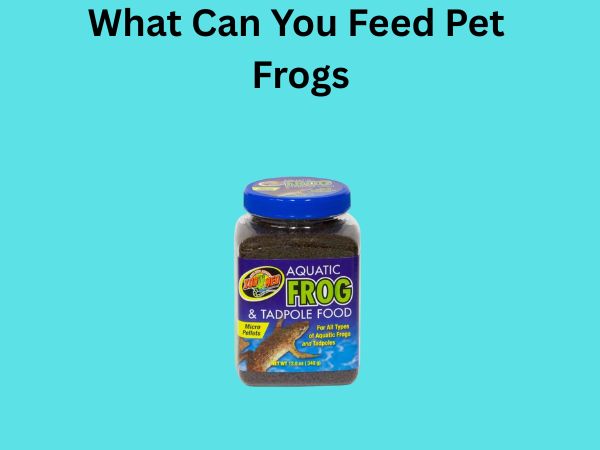
What Can You Feed Pet Frogs? Best Foods for All Frog Types
So you’ve decided to bring home a pet frog—congratulations! Now comes the part where you realize that keeping your amphibian friend healthy and happy depends heavily on what you’re putting in its mouth. Let me be honest with you: feeding pet frogs isn’t as simple as tossing in some random insects and calling it a day. There’s actually quite a bit to learn about their dietary needs, and I’m here to walk you through it all.
Understanding Your Frog’s Natural Diet
Before we dive into the specifics of what to feed your pet frog, let’s talk about what frogs eat in nature. In the wild, frogs are opportunistic hunters. They don’t sit around planning their meals—instead, they grab whatever moving prey happens to cross their path. This instinctive hunting behavior is crucial to understand because it tells us something important: your pet frog is hardwired to chase and consume live prey.
Most frog species are carnivorous or insectivorous, meaning they survive almost entirely on a diet of living creatures. Some larger frog species will even eat smaller frogs, lizards, or small mammals, but for the purposes of keeping pet frogs at home, we’re primarily concerned with insects and similar invertebrates.
Why Live Food Matters
You might wonder why you can’t just feed your frog dead insects or processed food like you would a dog or cat. The answer lies in how frogs hunt. Frogs rely heavily on movement to trigger their feeding response. If something isn’t moving, most frogs simply won’t recognize it as food. It’s like the difference between seeing a still photograph of a delicious meal versus smelling fresh food cooking in front of you—one doesn’t trigger the same response as the other.
Live Insects: The Foundation of Frog Nutrition
Live insects are absolutely essential for any pet frog’s diet. These aren’t just treats—they’re the cornerstone of proper nutrition. When your frog catches and eats live prey, they’re not only getting the nutrition from the insect itself, but they’re also engaging in natural hunting behaviors that keep them mentally stimulated and physically active.
Types of Live Insects Suitable for Frogs
There are several varieties of live insects you can safely offer your pet frog. Let me break down the most popular options:
- Crickets — These are the classic choice for frog owners and for good reason. They’re widely available, relatively inexpensive, and most frogs find them irresistible.
- Dubia Roaches — Don’t let the name fool you. These roaches are clean, odorless, and packed with nutrition. They’re becoming increasingly popular among experienced frog keepers.
- Mealworms — Larger than crickets, mealworms are great for bigger frog species. However, they have tough exoskeletons, so they work better as occasional treats rather than staple foods.
- Fruit Flies — If you have tiny frog species like poison dart frogs, fruit flies are perfect. They’re small, plentiful, and easy to breed at home.
- Waxworms — These are more like desserts for frogs. They’re high in fat and should be offered sparingly, but frogs absolutely love them.
- Earthworms — Great for aquatic and semi-aquatic frogs. They’re soft, easy to digest, and highly nutritious.
- Grasshoppers and Locusts — Excellent for larger frog species. They provide more nutrition per insect than smaller options.
Crickets and Other Common Feeder Insects: A Deeper Look
Crickets deserve special attention because they’re so commonly used in frog diets. Here’s why they work so well: they’re the right size for most frogs, they’re nutritionally balanced, and they trigger the hunting instinct immediately due to their movement and noise.
Choosing the Right Cricket Size
This is where many new frog owners make their first mistake. You need to match cricket size to your frog’s size. A general rule of thumb is that the cricket should be smaller than your frog’s head. If a cricket is too large, your frog might struggle to eat it or could even get injured trying. Conversely, if crickets are too small, your frog might need to eat many more to feel satisfied, which becomes tedious for both of you.
Most pet stores sell crickets in different sizes, from pinky crickets (tiny) to adult crickets (large). Start by observing your frog’s size and purchasing accordingly. As your frog grows, you can gradually increase the cricket size.
Storing and Maintaining Live Crickets
Keeping your feeder crickets healthy is just as important as feeding them to your frog. A healthy, well-fed cricket is far more nutritious than a starving one. Store crickets in a plastic container with air holes, and provide them with fresh vegetables and specialized cricket food. They need moisture too—a wet sponge or water crystals work well. Keep them in a cool, dry place away from direct sunlight, and they should remain lively and nutritious for several weeks.
Nutritional Requirements for Different Frog Species
Here’s something that really matters: not all frogs have identical dietary needs. The nutritional requirements vary significantly depending on the species you’re keeping.
Tree Frogs and Arboreal Species
Tree frogs, including popular pets like red-eyed tree frogs and white’s tree frogs, are primarily insectivores. They hunt small insects in the canopy and rarely encounter large prey. For these species, smaller insects like crickets, fruit flies, and small roaches are ideal. They typically eat every two to three days, with smaller portions per feeding compared to other species.
Bullfrogs and Large Aquatic Frogs
Bullfrogs are the bulldozers of the frog world. These guys have enormous appetites and will eat nearly anything that fits in their mouths. They thrive on a diet of larger crickets, grasshoppers, mealworms, and even small vertebrates like pinky mice or lizards. Due to their size and appetite, they can handle larger meals and can go longer between feedings.
Poison Dart Frogs
These vibrant little frogs are actually quite different from what you might expect. They’re tiny and eat correspondingly small prey—primarily fruit flies, small springtails, and tiny ants. They require frequent feedings due to their fast metabolism. If you’re keeping poison dart frogs, expect to feed them daily or every other day.
African Bullfrogs and Giant Species
If you’ve got one of the larger frog species, you’re dealing with a true apex predator in miniature. These frogs eat large insects, small vertebrates, and occasionally even other frogs. They need substantial meals less frequently—perhaps once every three to five days, depending on the individual.
Feeding Frequency and Portion Sizes
This is perhaps one of the most frequently misunderstood aspects of frog care. Overfeeding is incredibly common among well-meaning frog owners, and it leads to obesity and health problems.
How Often Should You Feed Your Frog?
The frequency depends on your frog’s age, species, and metabolism. Here’s a general guideline:
- Tadpoles and Juveniles — Daily or every other day. Growing frogs need consistent nutrition.
- Adult Tree Frogs — Every two to three days.
- Adult Bullfrogs and Large Species — Every three to five days.
- Poison Dart Frogs — Daily or every other day due to their small size and fast metabolism.
Determining Proper Portion Sizes
The amount your frog should eat is determined by its belly size. Here’s the best approach: offer insects until your frog stops hunting them with interest. Generally, a frog’s stomach is roughly the size of its head. After a successful feeding, you should notice a slight bulge in your frog’s belly—but not an extreme one. If your frog looks like it swallowed a marble, you’ve overfed it.
A helpful tip is to watch your frog’s body composition over time. You should be able to see its waist when viewing it from above. If your frog starts looking like a rounder version of itself, cut back on portion sizes and feeding frequency.
Gut-Loading Your Feeder Insects: The Secret Weapon
Here’s something that separates casual frog owners from truly dedicated ones: gut-loading. This practice can dramatically improve the nutritional quality of what you’re feeding your frog.
What Is Gut-Loading?
Gut-loading is the practice of feeding high-quality, nutritious food to your feeder insects before offering them to your frog. Think of it as pre-loading the insects with nutrition. Your frog doesn’t just eat the insect’s body—it also consumes whatever is in the insect’s digestive tract. So if that cricket has been eating quality vegetables and nutritional supplements, your frog benefits from that too.
Best Foods for Gut-Loading
Feed your crickets and roaches a variety of nutritious foods for at least 24 hours before offering them to your frog. Good options include:
- Collard greens
- Kale
- Carrots
- Squash
- Sweet potato
- Calcium-rich foods
- Specialized insect diet formulas
Rotate these foods to provide variety. This ensures your feeder insects have a broad spectrum of nutrients to pass along to your frog.
Supplementing with Vitamins and Minerals
Even with a perfect diet of well-fed insects, your pet frog likely needs additional vitamin and mineral supplementation. This is especially true for frogs in captivity, where they don’t have access to the same diversity of prey they’d encounter in the wild.
Why Supplementation Is Essential
Calcium and vitamin A are two nutrients that frogs commonly become deficient in when eating only insects. Without adequate calcium, your frog can develop metabolic bone disease, a serious and potentially fatal condition. Without enough vitamin A, your frog can suffer from eye problems and immune system issues.
How to Supplement Properly
Most frog owners use two approaches:
Calcium Powder — Dust your feeder insects with calcium powder before offering them to your frog. Do this two to three times per week. Use a powder without phosphorus to maintain proper calcium-to-phosphorus ratios.
Multivitamin Supplement — Once per week, dust insects with a multivitamin powder that includes vitamin A and other essential nutrients. This helps prevent deficiencies that calcium alone won’t address.
The dusting process is simple: place your insects in a small container with a pinch of powder, shake gently, and quickly offer them to your frog before the powder settles off.
Non-Insect Food Options
While insects are the primary diet for most frogs, there are some non-insect options worth discussing, particularly for larger species.
Vertebrate Prey for Large Frogs
Bullfrogs, African bullfrogs, and other large species will readily eat small vertebrates such as:
- Pinky mice (newborn mice)
- Fuzzy mice (slightly larger mice)
- Small lizards
- Small snakes
- Tadpoles of other species
These prey items are nutritionally dense and can be offered occasionally to large frogs. However, they shouldn’t replace insects entirely. Many experienced keepers offer vertebrate prey only once per month or even less frequently, using insects as the mainstay.
Why Some People Offer Pinky Mice
Pinky mice are nutritionally complete meals that provide everything a large frog needs in one package. They’re particularly useful for frogs that are underweight or recovering from illness. However, some people have ethical concerns about feeding live vertebrates, and some prefer not to deal with keeping frozen mice in the freezer.
Foods You Should Never Feed Your Frog
Now let’s talk about what absolutely should never go near your frog’s mouth. Some foods that seem reasonable are actually dangerous or toxic to frogs.
Insects to Avoid
- Wild-Caught Insects — Never feed wild insects to your frog. They may have been exposed to pesticides or parasites that can harm or kill your frog.
- Insects That Are Too Large — If an insect is larger than your frog’s head, your frog could injure itself trying to eat it.
- Poisonous Insects — Some insects are toxic. Avoid fireflies, ladybugs, and any insect you can’t identify with certainty.
- Insects from Unknown Sources — Only use insects from reputable breeders or pet stores.
Foods Absolutely Forbidden
Dead Insects or Processed Foods — Most frogs won’t eat dead insects, and if they do, they lack the nutritional benefits of live prey. Processed frog foods are generally ineffective and unnecessary.
Fruits and Vegetables — Frogs are carnivores, not herbivores. They cannot digest plant matter properly. Never feed your frog lettuce, fruit, or vegetables.
Human Food — Items like bread, meat, or any cooked food have no place in a frog’s diet.
Feeder Fish — While some aquatic frogs might eat small fish, feeder fish often carry parasites and aren’t nutritionally balanced for frogs.
Setting Up a Feeding Schedule
Creating a consistent feeding schedule helps you stay organized and prevents both underfeeding and overfeeding.
Creating Your Frog’s Schedule
Start by determining your frog species’ feeding frequency. Write it down and set reminders if necessary. A simple approach might look