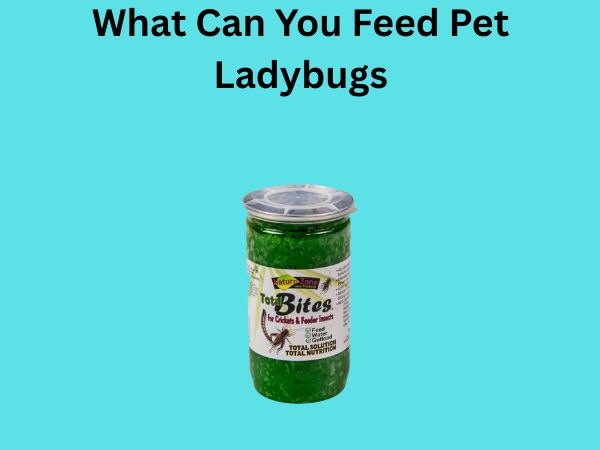
What Can You Feed Pet Ladybugs? A Complete Feeding Guide for Happy Beetles
Have you ever thought about keeping a ladybug as a pet? These charming little beetles with their distinctive red and black spotted shells are absolutely delightful companions. But here’s the thing—if you’re serious about caring for them properly, you need to know exactly what to feed them. That’s where this guide comes in handy. Whether you’re a curious beginner or someone who already has a few ladybugs living in a terrarium, understanding their dietary needs is absolutely essential for keeping them healthy and happy.
Why Knowing Your Ladybug’s Diet Matters
Let me be straightforward with you—feeding your pet ladybug isn’t just about tossing some food into their habitat and hoping for the best. It’s similar to how we humans need a balanced diet to thrive, ladybugs require specific nutrients to maintain their energy levels, reproduce, and live a long, fulfilling life. When you keep a ladybug in captivity, you’re essentially taking on the responsibility of providing everything nature would normally offer them. This means understanding their natural feeding habits and replicating them as closely as possible in your home.
The Natural Diet of Wild Ladybugs
In their natural habitat, ladybugs are voracious hunters. They’re like tiny aerial predators, constantly searching for their preferred prey. When you observe a wild ladybug in action, you’ll notice they spend much of their time crawling through plants and flowers, hunting for insects to devour. This hunting behavior isn’t just about survival—it’s deeply ingrained in their nature and essential for their psychological well-being, even in captivity.
The Primary Food Source: Aphids
Aphids are absolutely the crown jewel of a ladybug’s diet. A single ladybug can consume between 50 to 60 aphids per day, and some species can eat even more. Think about that for a moment—that’s like if you ate hundreds of meals in a single day! This incredible appetite makes ladybugs incredibly efficient natural pest controllers, which is exactly why gardeners absolutely love them. If you want to keep your pet ladybug in peak condition, aphids should form the foundation of their diet.
Sourcing Aphids for Your Pet Ladybug
Now, finding a consistent supply of aphids might sound challenging, but it’s more manageable than you’d think. You have several options available depending on your location and circumstances.
Collecting Aphids from Your Garden
The most natural approach is to collect aphids directly from your garden or local plants. Plants infested with aphids are your goldmine. You can gently brush aphids from plant stems into a container or carefully pluck them off leaves. The advantage here is that you’re providing completely natural, uncontaminated food for your ladybug. However, you need to be cautious about pesticides. Make absolutely sure the plants you’re collecting from haven’t been treated with any chemicals, as these could poison your pet.
Purchasing Aphids from Online Suppliers
If you can’t find aphids in your area or the seasons aren’t cooperating, online suppliers offer cultured aphid colonies. These are specifically bred for feeding pets and beneficial insects. You’ll receive a container with live aphids, and you can maintain the colony in your home. It requires a bit of setup and maintenance, but it guarantees a steady food supply year-round. This approach is particularly useful during winter months when aphids are scarce in nature.
Growing Your Own Aphid Colony
For the truly dedicated ladybug keeper, raising your own aphid colony is an excellent long-term solution. You’ll need some potted plants, typically ones that aphids naturally infest like fava beans or young wheat plants. You introduce aphids to these plants and let them multiply naturally. It sounds complicated, but it’s actually quite straightforward once you understand the basics. This method ensures an endless supply of fresh, pesticide-free food.
Alternative Foods Beyond Aphids
While aphids are ideal, ladybugs can and will eat other foods. This knowledge becomes particularly important when aphids aren’t available.
Other Small Insects Ladybugs Enjoy
Ladybugs are opportunistic eaters, meaning they’ll consume various small insects beyond aphids. Mealworms, for instance, are an acceptable alternative, though they’re less nutritious than aphids. You can purchase mealworms from pet stores or online. Other options include:
- Small flies or fruit flies
- Scale insects
- Whiteflies
- Small spiders
- Tiny caterpillars
- Mites
The key is variety. Offering different insects prevents nutritional deficiencies and keeps your ladybug mentally stimulated through the variety of hunting experiences.
Pollen as a Supplementary Food
Here’s something many people don’t realize—ladybugs actually eat pollen too. In fact, some ladybug species consume pollen regularly, especially during early spring when insect prey might be scarce. You can provide pollen by including fresh flowers in their habitat or by sprinkling dried pollen into their enclosure. This adds nutritional variety and mimics their natural behavior more closely.
Sweet Treats: Honey and Sugar Water
Beyond insects, ladybugs have a surprising sweet tooth. They’ll readily consume honey and sugar-based foods, which provide them with quick energy.
How to Offer Honey Safely
Honey is like nature’s energy bar for ladybugs. A tiny drop of honey on a leaf or a shallow dish will be immediately investigated and consumed. However, you need to be careful about the presentation. Too much honey can get stuck to their bodies, potentially trapping them or making it difficult for them to move. The best approach is to place a small drop on a leaf or offer it in a very shallow dish where they can feed without getting covered. Always use raw, natural honey when possible, as it contains more nutrients than processed varieties.
Sugar Water and Nectar Solutions
You can also prepare a simple sugar water solution by mixing one part sugar with four parts water. This serves as an excellent energy supplement, especially during breeding season or before hibernation. Some keepers prefer to use diluted fruit juice or even nectar solutions. Just remember that these should be supplementary, not replacement for their primary insect diet.
Water Availability
While we’re discussing liquids, don’t forget that ladybugs need access to water. They’re tiny creatures, and they can dehydrate quickly. Provide a shallow dish with a sponge or cotton ball soaked in water. The porous material prevents drowning while allowing them to drink easily. Change the water every day to keep it fresh and prevent bacterial growth.
Creating a Balanced and Nutritious Diet
Think of ladybug nutrition like constructing a pyramid. At the base, you have insects like aphids forming the foundation. Above that, you layer in alternative insects for variety. Near the top, you have supplements like pollen and honey. This balanced approach ensures your ladybug receives all necessary nutrients.
Protein Requirements
Ladybugs are carnivorous insects with high protein requirements. Insects like aphids are packed with protein, which is why they’re so essential. When you provide alternative foods, ensure they also contain adequate protein. This is why mealworms work better than some other alternatives—they’re relatively protein-rich.
Micronutrients and Vitamins
Beyond protein, ladybugs need various micronutrients. Different insect prey offers different nutrient profiles. An aphid has different nutritional content than a fruit fly, so variety truly matters. Pollen provides additional vitamins and minerals that might not be present in insects alone. This is why incorporating multiple food sources creates the most complete diet.
Feeding Schedule and Portion Guidelines
How often should you feed your pet ladybug? The answer depends on several factors, including the ladybug’s species, age, and reproductive status.
Daily Feeding for Active Ladybugs
Most active adult ladybugs should have access to food daily. Remember that appetite I mentioned earlier—eating 50 to 60 aphids per day is normal. However, in captivity with less activity, they might eat fewer prey items. Observe your ladybug’s consumption patterns and adjust accordingly. If you’re providing aphids, leave several in the enclosure and let your ladybug hunt at its own pace.
Varying Portions Based on Activity Level
A ladybug that’s actively hunting and exploring will need more food than one that seems lethargic. Temperature also affects appetite—warmer conditions generally increase feeding activity. During cooler months or if your ladybug is preparing for hibernation, you might notice reduced appetite, which is completely normal.
Seasonal Feeding Adjustments
In nature, ladybugs dramatically increase their food consumption during late summer and early autumn as they prepare for winter dormancy. If you’re keeping your ladybug in conditions that mimic natural seasons, increase food availability during this period. They’re essentially building up energy reserves for the long winter ahead.
Common Feeding Mistakes to Avoid
Let me share some pitfalls I’ve observed among well-meaning ladybug keepers.
Overfeeding and Food Waste
It’s tempting to overfill your ladybug’s habitat with insects, thinking you’re being generous. However, excess uneaten prey can escape or die, creating a unsanitary environment. Worse, decaying insects produce harmful bacteria. Provide enough food for your ladybug to eat within a day or two, then remove any remaining uneaten prey.
Using Pesticide-Contaminated Insects
This is critical. Never collect insects from plants that have been treated with pesticides or insecticides. Even trace amounts can be lethal to your ladybug. Always source insects from pesticide-free plants or purchase from reputable suppliers.
Neglecting Water and Hydration
Ladybugs need water just as much as they need food. I’ve seen keepers focus entirely on insect provision while overlooking water access. This is a serious mistake that can lead to dehydration and death.
Monotonous Diets
Feeding only one type of insect, day after day, leads to nutritional imbalances. Imagine eating only chicken for every meal—eventually, you’d develop deficiencies. The same applies to ladybugs. Variety is truly the spice of life for these little beetles.
Feeding Larvae and Young Ladybugs
Ladybug larvae have somewhat different feeding requirements than adults. These tiny, alligator-like creatures are absolutely voracious, consuming even more aphids relative to their body size than adult beetles.
Larval Appetite and Consumption
A single ladybug larva can consume hundreds of aphids before pupating. If you’re breeding ladybugs, ensure your aphid supply can support the massive appetite of the larval stage. This is where maintaining a robust aphid colony becomes invaluable.
Transition to Adult Diet
Once your ladybug pupates and emerges as an adult, its dietary preferences might shift slightly. While still primarily insectivorous, young adults sometimes show increased interest in pollen and sweet foods. This is normal and actually beneficial, as these supplementary foods help mature their reproductive systems.
Troubleshooting Feeding Problems
What if your ladybug seems disinterested in food? Let’s explore some solutions.
Lack of Appetite or Refusal to Eat
Several factors could cause reduced feeding. Temperature is primary—ladybugs are cold-blooded and eat less when cool. Ensure your habitat maintains temperatures between 65 to 75 degrees Fahrenheit for optimal feeding. Stress from overcrowding or excessive handling can also suppress appetite. Additionally, an approaching molt or reproductive cycle might temporarily reduce feeding interest.
Difficulty Catching Prey
If your ladybug seems unable to catch insects, the problem might be prey size. Extremely large prey items can be overwhelming. Try offering smaller insects. Alternatively, your ladybug might be older or injured. Elderly ladybugs sometimes struggle with hunting, making honey and softer foods more appropriate.
Conclusion
Feeding your pet ladybug doesn’t need to be complicated, but it does require knowledge and attention to detail. The foundation of their diet should be aphids—the natural food that keeps them healthiest and happiest. Supplement this with alternative insects, pollen, honey, and fresh water to create a complete nutritional profile. Remember that these tiny beetles are living creatures with genuine needs. By providing varied, nutritious food in appropriate quantities, you’re not just keeping them alive—you’re allowing them to thrive and express their natural behaviors. Whether you’re collecting aphids from your garden or maintaining a cultured colony, your effort pays dividends in the health and longevity of your fascinating little companions. The key is consistency, variety, and genuine care for their well-being.
Frequently Asked Questions About Feeding Pet Ladybugs
How many aphids does a ladybug need per day?
A single ladybug can consume anywhere from 50 to 60 aphids per day, depending on the species and environmental conditions. However, in captivity where activity levels are lower, they might eat fewer. The best approach is to provide several aphids daily and observe how many your specific ladybug actually consumes, then adjust accordingly. Some days they’ll eat more, other days less—this variation is completely normal.
Can ladybugs survive on honey and water alone?
While ladybugs can survive temporarily on honey and water, this shouldn’t be a long-term diet. Honey provides carbohydrates and quick energy, but it lacks the essential proteins and other nutrients that insects provide. A ladybug kept exclusively on honey and water will eventually become malnourished and weaken. Always view honey as a supplement to an insect-based diet, not a replacement for it.
Where can I find aphids for my pet ladybug?
You have several options: collect them from pesticide-free plants in your garden or local area, purchase cultured aphid colonies from online suppliers, or establish your own aphid colony at home. The best method depends on your location, the season, and how much time you’re willing to invest. Many dedicated keepers combine methods—collecting wild aphids when available and maintaining a cultured colony for winter months.
Are there any foods that are toxic to ladybugs?
Insects contaminated with pesticides or insecticides are extremely dangerous to ladybugs and should never be offered. Similarly, avoid any moldy or decaying food, as this can introduce harmful bacteria. Extremely salty or