What Can I Feed My Pet Toad? Safe Foods & Complete Feeding Guide
So you’ve decided to bring home a pet toad. That’s awesome! But now you’re staring at your new bumpy friend and wondering, “What on earth do I actually feed this thing?” If you’re feeling a bit lost in the amphibian feeding department, you’re not alone. Many new toad owners find themselves scratching their heads over dietary requirements, portion sizes, and which insects are actually safe to offer. The good news? Feeding your pet toad doesn’t have to be complicated once you understand the basics.
Understanding Your Toad’s Natural Diet
Before we dive into what you should feed your toad, let’s talk about what toads eat in the wild. Think of your toad as a tiny hunter with specific instincts that haven’t changed much over millions of years. In nature, toads are carnivorous creatures that spend their evenings hunting for insects and small invertebrates. They’re not picky eaters by any means—they’ll consume whatever moves in front of them that fits in their mouth.
Your pet toad inherited these same hunting instincts, so providing food that mimics their natural diet is absolutely crucial for their health and happiness. A toad that’s eating the right foods will have vibrant skin, maintain a healthy weight, and display natural behaviors that tell you they’re thriving.
Best Insects to Feed Your Pet Toad
Now, let’s get into the meat of the matter—literally. There are several insects that make excellent food choices for your pet toad, and understanding which ones are best will set you up for success.
Crickets: The Staple Food
If there’s one insect that should be a regular part of your toad’s diet, it’s crickets. These little hoppers are like the chicken breast of the amphibian world—nutritious, widely available, and generally accepted by toads without hesitation. Crickets provide excellent protein and can be purchased at most pet stores in various sizes.
When selecting crickets, match the size to your toad. A general rule of thumb is to offer prey items that are roughly the same size as your toad’s head. Too large, and your toad might struggle to swallow. Too small, and they’ll need to eat many more to feel satisfied.
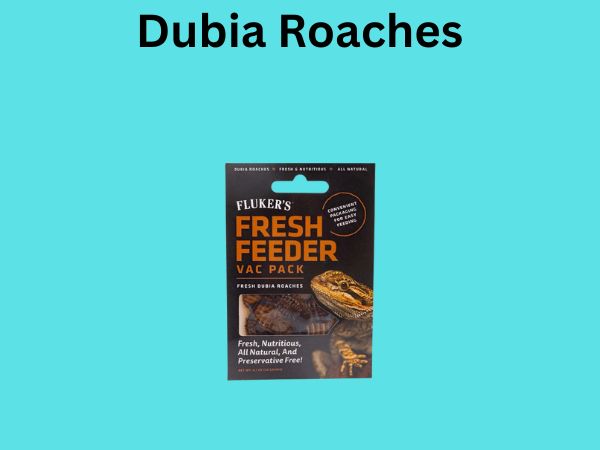
Dubia Roaches: A Nutritious Alternative
Dubia roaches have become increasingly popular among experienced toad keepers, and for good reason. These roaches are packed with nutrients, produce less odor than crickets, and are easier to care for if you decide to breed your own. They’re also less likely to escape or bite your toad, unlike crickets which can occasionally turn aggressive when cornered.
Many keepers prefer roaches because they’re lower maintenance in the feeding container and provide excellent nutritional value. Your toad will absolutely enjoy hunting these down.
Mealworms and Superworms
Mealworms are another classic toad food that you’ll find readily available at pet stores. They’re inexpensive, shelf-stable, and toads generally love them. However, here’s something important to know: mealworms have a hard exoskeleton, so they should never be the only food you offer. They’re best used as an occasional treat or mixed with other prey items.
Superworms are mealworms’ larger cousins and can be offered to adult toads. They contain more fat, so they’re better served as an occasional meal rather than a dietary staple.
Earthworms: Natural and Nutritious
If you really want to give your toad something special, earthworms are fantastic. They’re soft-bodied, packed with nutrients, and mimic exactly what your toad would encounter in nature. You can collect them yourself from your garden after rainfall, purchase them from fishing supply stores, or order them online.
The beauty of earthworms is that they’re nutritionally complete and don’t require the same gut-loading process that some insects do. Many experienced keepers consider earthworms one of the healthiest options available.
Waxworms and Butterworms
These soft-bodied larvae are high in fat and should be reserved for occasional treats or for encouraging picky eaters. They’re delicious to your toad but aren’t suitable as a primary food source due to their high fat content and lower nutritional complexity compared to other options.
Foods to Avoid at All Costs
Just as important as knowing what to feed your toad is understanding what absolutely should never enter your toad’s enclosure. Some foods that seem harmless can actually cause serious harm or even death.
Fireflies and Lightning Bugs
This is a critical one to remember. Never, and I mean never, feed your toad fireflies or lightning bugs. These insects contain toxic compounds that are deadly to toads and many other amphibians. Even one firefly can poison your beloved pet, so always double-check what your toad is eating if they have access to outdoor enclosures.
Wild-Caught Insects From Unknown Sources
While it might be tempting to collect free food from your yard or local area, wild insects could have been exposed to pesticides, parasites, or other contaminants that will make your toad seriously ill. Stick to insects from reputable pet suppliers who maintain proper care standards.
Large Vertebrates and Pinky Mice
Some larger toad species can technically consume small mice or pinky mice, but this is generally not recommended. The risks of injury to your toad during feeding, combined with the nutritional imbalance of a diet centered on vertebrates, make insects the far superior choice. Additionally, many toad keepers find the ethics of feeding vertebrates uncomfortable.
Insects With Hard Exoskeletons as Primary Diet
While mealworms and beetles can be offered occasionally, making them your toad’s primary food is problematic. The hard chitin can cause digestive issues and impaction over time. Always balance hard-bodied insects with softer prey items.
Feeding Frequency and Portion Sizes
Understanding how often to feed your toad and how much food constitutes an appropriate meal is essential for maintaining optimal health.
Young Toads and Juveniles
Young toads have faster metabolisms and need more frequent feeding. Juveniles should be fed small insects every day or every other day. Watch their body condition carefully—they should have a slight roundness to their sides but shouldn’t look bloated or obese.
Adult Toads
Once your toad reaches adulthood, feeding frequency can decrease. Most adult toads do well with feeding sessions two to three times per week. A typical meal might consist of five to ten appropriately-sized insects, depending on your toad’s species and individual size.
Think of it this way: you’re not trying to stuff your toad to maximum capacity at each meal. Instead, you’re providing regular nourishment that keeps them active and healthy without promoting obesity.
Monitoring Body Condition
The best way to determine if you’re feeding the right amount is to observe your toad’s body. A healthy toad should have a slightly rounded appearance without being obese. You shouldn’t see prominent hip bones, but you also shouldn’t see an overly distended belly between feedings. If your toad is getting too chunky, reduce feeding frequency slightly. If they seem lean, increase meals.
Gut Loading: Boosting Nutritional Value
Here’s a technique that separates good toad keepers from great ones: gut loading. This process involves feeding your insects nutritious foods before offering them to your toad, ensuring your toad receives maximum nutritional benefit.
What Is Gut Loading?
Gut loading is simple in concept but powerful in practice. You feed your feeder insects high-quality foods—vegetables, fruits, and specialized gut-loading formulas—for 24 to 48 hours before offering them to your toad. When your toad eats these insects, they’re consuming everything that’s in the insect’s digestive system, including these nutritious foods.
Best Gut Loading Foods
- Dark leafy greens like collard greens and kale
- Squash and sweet potato
- Carrots and pumpkin
- Commercial gut-loading products specifically formulated for feeder insects
- High-quality cricket or roach chow
By incorporating gut loading into your routine, you’re essentially giving your toad a multivitamin with every meal.
Supplements: Do You Really Need Them?
The supplement question is one that comes up frequently in toad-keeping communities. Here’s the honest answer: it depends on your feeding variety and your toad’s species.
Calcium Supplementation
Calcium is crucial for toad health, particularly for proper bone development and maintenance. If you’re feeding a varied diet of well-gut-loaded insects, you might not need additional calcium supplements. However, many keepers choose to dust food with calcium powder once or twice weekly as insurance.
Calcium supplements without vitamin D3 are generally safe to use regularly. Supplements containing vitamin D3 should be used less frequently to avoid toxicity.
Multivitamin Supplements
A quality multivitamin supplement dusted on food once weekly can provide extra assurance that your toad is getting adequate nutrition. This is especially valuable if you’re limited in the variety of insects you can source.
Creating a Feeding Schedule That Works
Establishing a consistent feeding routine helps your toad maintain stable health and makes it easier for you to remember when feeding day arrives.
Setting Up Your Feeding Days
Consider designating specific days for feeding. For example, you might feed your adult toad on Mondays, Wednesdays, and Saturdays. Consistency helps your toad anticipate feeding times and aids in digestion.
Feeding Containers and Methods
Some keepers prefer feeding their toads in a separate container to avoid substrate ingestion—a common problem when feeding directly in the main enclosure. Simply place your toad in a small, shallow container with the insects for 15 to 20 minutes, then return your toad to their home once feeding is complete.
Alternatively, if your main enclosure is set up properly with appropriate substrate, you can feed directly in the tank. Just monitor to ensure your toad isn’t consuming substrate along with food.
Water and Hydration
While we’re talking about diet, let’s not forget that water is equally important. Toads absorb water through their skin, so maintaining proper humidity in their enclosure is essential. However, providing a shallow water dish allows your toad to soak and drink as needed.
Change the water daily and ensure it’s clean and chlorine-free. Some keepers use filtered water or let tap water sit for 24 hours to allow chlorine to evaporate.
Special Dietary Considerations by Species
Different toad species have varying dietary needs and preferences. While all toads are carnivorous, some species do better with certain foods.
American Toads
American toads are opportunistic hunters that thrive on a mixed diet of crickets, earthworms, and roaches. They’re not particularly picky and do well with standard feeding protocols.
African Bulfrogs (Pixie Frogs)
These larger species have bigger appetites and can consume larger prey items. They do well with appropriately-sized crickets, roaches, and can even handle larger prey like small fish. They’re more aggressive feeders than many toad species.
Cane Toads
Cane toads are large, enthusiastic eaters. They thrive on bigger insects like roaches and superworms. Their size means they can handle prey that would be inappropriate for smaller species.
Troubleshooting Common Feeding Problems
Picky Eaters
If your toad seems disinterested in food, first rule out health issues by visiting a veterinarian experienced with amphibians. Temperature fluctuations, improper humidity, or stress can all suppress appetite. Try varying the type of insect you offer, and ensure feeding occurs during your toad’s active hours.
Overweight Toads
An overweight toad faces health complications including liver disease and reduced lifespan. Gradually reduce feeding frequency and monitor progress. Avoid fatty treats like waxworms, and ensure your toad has adequate space for movement.
Suspected Nutritional Deficiency
Signs of nutritional problems include lethargy, poor skin quality, and developmental issues in young toads. Increase feeding variety, implement gut loading, and consider adding supplements. Consult with an exotic animal veterinarian if problems persist.
Seasonal Feeding Adjustments
Many toad species experience seasonal changes in appetite and activity levels. During natural breeding seasons, males often eat less as they focus energy on calling. As temperatures cool in preparation for hibernation or brumation, feeding may naturally decrease.
Rather than forcing food on a toad that isn’t interested, respect these natural cycles while ensuring your toad maintains adequate body condition.
Cost-Effective Feeding Strategies
Feeding a toad doesn’t have to break the bank. Here are some strategies to keep costs manageable:
- Buy insects in bulk when possible for volume discounts
- Breed your own crickets or roaches if you have the space and interest
- Forage for earthworms in your garden to supplement purchased insects
- Join local herpetology groups where members sometimes share breeding colonies
- Stock up on sales and special offers from online retailers
Conclusion
Feeding your pet toad properly is one of the most rewarding aspects of toad ownership. By offering a varied diet of appropriately-sized insects, implementing gut-loading practices, and monitoring your toad’s body condition, you’re providing the foundation for a long, healthy life. Remember that feeding isn’t just about nutrition—it’s about engaging your toad’s natural hunting instincts and keeping them mentally stimulated.
Start with crickets and earthworms as your primary food sources, gradually introduce other insects like roaches and superworms, and always monitor your toad’s response. Don’t be afraid to adjust your feeding approach based on your individual toad’s preferences and needs. Every toad is unique, and part of the joy of keeping these amazing creatures is learning what makes your specific toad thrive.
With the information you’ve learned here, you’re well-equipped to provide your toad with nutritious, appropriate meals that will keep them healthy, active, and happy for years to come.
Frequently Asked Questions
How long can a pet toad go without eating?
A healthy adult toad can survive for several weeks without food, though this isn’t ideal. Toads have relatively slow metabolisms and can go longer without eating than many other pets. However, young toads and pregnant females have higher energy needs and shouldn’t go extended periods without food. If your toad refuses food for more than two weeks, consult a veterinarian to rule out underlying