How Often Do You Feed Pet Fish? Full Answer
You should feed your pet fish once or twice a day. Only give them what they can eat in about two minutes. Overfeeding is a common mistake that can harm your fish and your tank’s water quality. Proper feeding is key to a healthy aquarium.
Knowing how often to feed your fish depends on a few things. Factors like the type of fish, their age, and the type of food all play a role. We found that understanding these differences helps prevent common problems in home aquariums. Your fish’s diet needs careful thought.
TL;DR:
- Feed fish 1-2 times daily.
- Only feed what they eat in 2 minutes.
- Overfeeding is bad for fish and water.
- Fish type, age, and food matter.
- Don’t feed if fish look full.
Let’s walk through exactly how often you should be feeding your finned friends to keep them happy and healthy.
Feeding Your Pet Fish: A Practical Guide
Figuring out exactly how much and how often to feed your fish can seem tricky. You want them to thrive, not just survive! We found that most pet fish do best with a feeding schedule of once or twice a day. The key is to give them only what they can finish in a short period, usually about two minutes. Think of it like giving them a small, nutritious snack, not a never-ending buffet.
Overfeeding is a super common mistake. It doesn’t just waste food; it can make your fish sick. Excess food breaks down in the tank, leading to cloudy water and harmful ammonia spikes. This can stress your fish and even make them ill. We’ve learned that a little less food is almost always better than too much.
Understanding Your Fish’s Specific Needs
The general rule of thumb is a good starting point, but your fish have individual preferences. What works for one type of fish might not work for another. We found that knowing your fish species is the first step to a perfect feeding plan.
Dietary Differences Between Fish Types
Fish have varied eating habits in the wild, and their aquarium diet should reflect this. Some fish are naturally carnivores, others herbivores, and many are omnivores. Understanding this helps you choose the right food and frequency.
Carnivorous Fish
These are your fish’s hunters. They typically have sharp teeth and love protein-rich foods. Think bloodworms, brine shrimp, or specialized carnivorous fish flakes. We found that carnivores might eat less often but need denser, nutrient-rich meals when they do eat. Some might only need feeding every other day, depending on their specific needs.
Herbivorous Fish
Plant-eaters graze throughout the day in nature. They often need access to fiber and greens. Foods like algae wafers, spirulina flakes, or blanched vegetables work well. For these fish, we found that offering smaller amounts more frequently, or ensuring there’s a constant (but controlled) source of greens, can be beneficial. However, still stick to a “two-minute rule” for concentrated foods to avoid waste.
Omnivorous Fish
These are the most common type of pet fish. They’ll eat a bit of everything! A good quality flake or pellet food usually covers their needs. We found that omnivores are generally adaptable, but it’s still crucial not to overdo it. Feeding them once or twice a day with a balanced diet is usually ideal.
Age and Activity Level Matter
Just like us, a fish’s nutritional needs change as they grow. Younger fish need more protein and nutrients for growth. Adult fish need maintenance diets. We found that very active fish might also benefit from slightly more food, provided it’s still consumed quickly.
Fry and Juvenile Fish
Baby fish, or fry, are tiny and grow rapidly. They often need very small, nutrient-dense foods like baby brine shrimp or specialized fry food. We found that they may need to be fed multiple times a day in tiny portions. You’ll want to observe them closely to see how much they can consume.
Adult Fish
Once your fish are fully grown, their needs stabilize. The general “once or twice a day, two-minute rule” is usually perfect here. We found that adult fish are less prone to issues from slight underfeeding than from overfeeding.
Types of Fish Food and Their Impact
The food you choose influences how often you need to feed. Different food forms have different nutritional values and how quickly they are digested.
Flakes and Pellets
These are the most common staples for many aquarium fish. Flakes are lightweight and float, while pellets sink. We found that they are generally well-balanced for omnivorous fish. For most fish, a quality flake or pellet fed once or twice a day is sufficient. Remember, even with flakes, only offer what they can eat in two minutes.
Frozen and Live Foods
Treats like bloodworms, brine shrimp, and daphnia are excellent for many fish, especially carnivores and for conditioning fish for breeding. We found that these are highly nutritious and often very palatable. Because they are so rich, they should be given as treats rather than a daily staple. A few times a week is usually plenty. Again, don’t overdo it; offer only what they’ll eat in a couple of minutes.
Vegetable Matter
For herbivorous fish or as a supplement for others, blanched zucchini, peas, or algae wafers are great. We found that these can be left in the tank for a slightly longer period, but it’s still best to remove uneaten portions within a few hours to prevent fouling the water.
The “Two-Minute Rule” Explained
This is perhaps the most critical guideline for preventing overfeeding. We found that the goal is for your fish to consume all the food you offer within this timeframe. It ensures they are getting enough without leaving excess to rot.
Why Two Minutes?
This short window helps you gauge portion size accurately. If your fish devour everything in less than a minute, you might need to offer a little more next time. If food is still floating or on the substrate after three minutes, you’re definitely feeding too much. We’ve seen tanks improve dramatically just by sticking to this simple rule.
Observing Your Fish
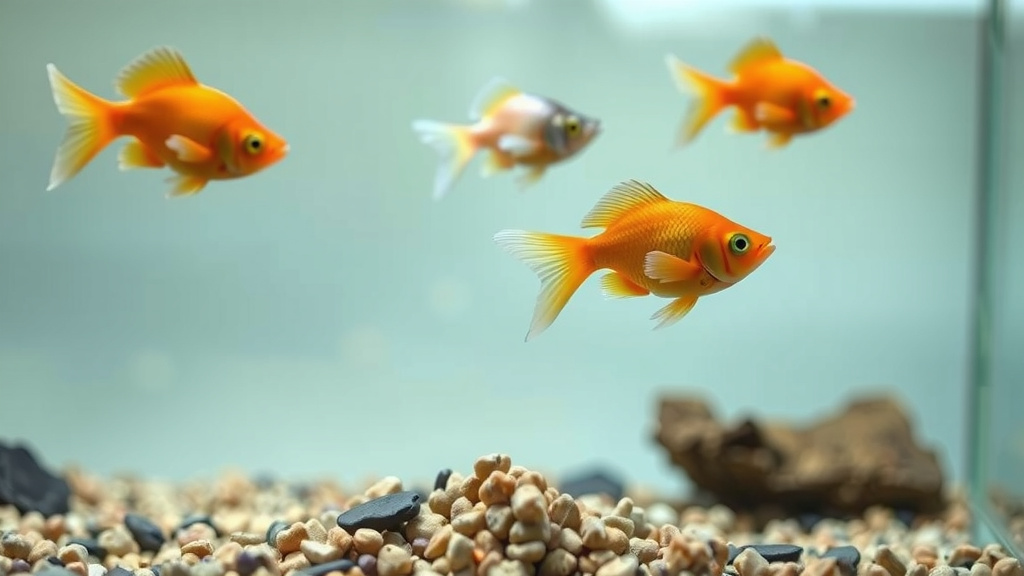
Your fish will tell you when they’re full. They might stop eating, dart away, or simply ignore the food. We found that these are clear signs to stop feeding, even if the two minutes aren’t up. Don’t feel you *have* to feed the full amount if they seem satisfied earlier.
Signs of Overfeeding and Underfeeding
It’s important to watch for clues your fish are not getting the right amount of food.
Overfeeding Symptoms
Look out for cloudy water, which indicates excess food decomposing. Your fish might also become lethargic or bloated. We found that some fish might even develop swim bladder issues from eating too much too quickly.
Underfeeding Symptoms
If your fish are constantly thin, have faded colors, or seem overly aggressive towards each other when food is present, they might be underfed. We found that lack of energy or appearing “bony” can also be indicators.
Creating Your Fish’s Feeding Schedule: A Checklist
Ready to nail down your fish’s feeding routine? Here’s a quick checklist:
- Know your fish species and their natural diet.
- Choose a high-quality food appropriate for your fish.
- Start with the “two-minute rule” for portion control.
- Observe your fish’s behavior during and after feeding.
- Adjust food amounts based on age, activity, and appetite.
- Feed once or twice a day for most adult fish.
Conclusion
You’ve learned that feeding your fish isn’t a one-size-fits-all situation. By understanding your specific fish’s needs—whether they’re carnivores, herbivores, or omnivores, and considering their age—you can create a healthy diet. The “two-minute rule” is your best friend for portion control. Consistent observation will help you spot signs of over or underfeeding, ensuring your aquatic pets thrive. Your next step is to confidently apply these guidelines to your own aquarium, making small adjustments as needed.
Frequently Asked Questions
Can I feed my fish just once a week?
Generally, no. Most adult fish do best with feeding once or twice daily. Feeding only once a week can lead to undernourishment and related health issues. You should aim for consistent, smaller meals rather than infrequent large ones.
What happens if I accidentally overfeed my fish?
Overfeeding can lead to a host of problems. Excess food decays, polluting your tank water and potentially causing ammonia spikes. This stresses your fish and can make them sick, sometimes leading to digestive or swim bladder issues.
How do I know if my fish are getting enough food?
Observe your fish closely. If they are constantly thin, losing color, or showing unusual aggression over food, they might be underfed. They should also appear active and alert. Adjusting portions slightly upward if they consistently eat everything in less than two minutes can help.
Is it okay to feed my fish different kinds of food?
Yes, variety can be good! Offering a mix of high-quality flakes, pellets, and occasional treats like frozen or live foods can provide a more balanced diet. Just be mindful that richer foods should be given less often as supplements.
Should I feed my fish more when they are young?
Absolutely. Fry and juvenile fish require more frequent, nutrient-dense feedings to support their rapid growth. As they mature into adults, you can transition to the standard once or twice-a-day feeding schedule.