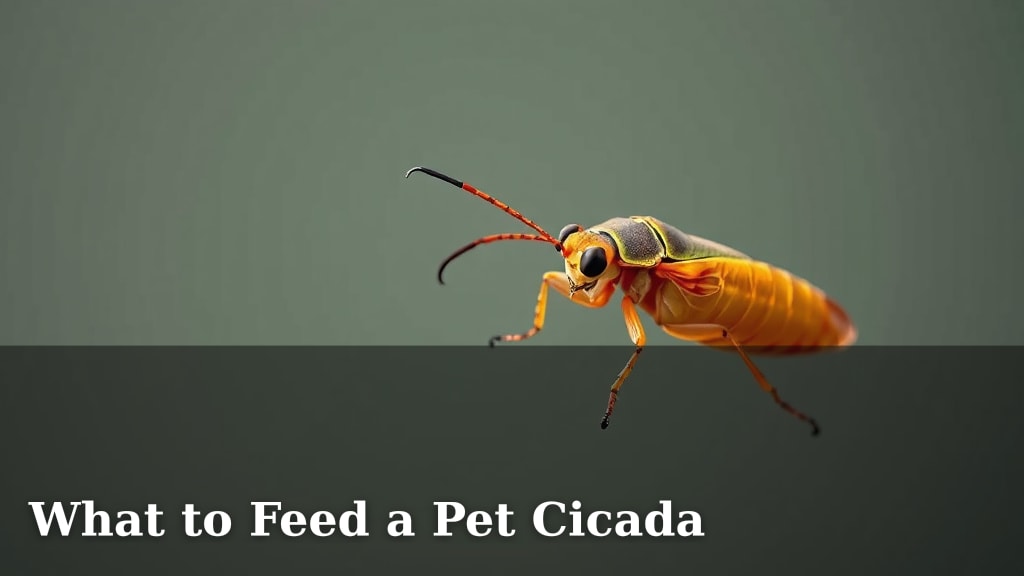
What to Feed a Pet Cicada
If you’ve found a cicada and are wondering what to feed your new buzzing friend, the answer is simple: you likely don’t need to feed it at all. Adult cicadas primarily feed on tree sap, and they have a very short lifespan. Your main goal should be to observe them briefly and then let them go.
While fascinating creatures, pet cicadas aren’t like your typical furry companions. They have specific dietary needs that are difficult to replicate. Many people are curious about offering them treats, but it’s important to understand their natural feeding habits and life cycle. Trying to keep them as pets long-term is generally not recommended or successful.
- Cicadas feed on tree sap.
- Adult cicadas live only a few weeks.
- It’s difficult to provide their natural diet.
- Observing them is usually best.
- Letting them go is the kindest option.
Let’s go over why feeding a pet cicada isn’t usually necessary and what to do instead if you want to admire these noisy insects.
Finding a cicada can be a really exciting experience! These noisy insects are a wonder of nature. You might be curious about keeping one as a temporary guest and offering it a tasty meal. But before you head to the kitchen, let’s look at what these fascinating bugs naturally eat and why that’s important for their survival.
Understanding Your Cicada’s Natural Diet
The most important thing to know is that adult cicadas don’t really need you to feed them. They are built for a short, active life above ground. Their main food source is tree sap. They have a special mouthpart, like a straw, designed for this. It’s called a stylet.
What Do Cicadas Drink?
Cicadas use their stylets to pierce the bark of trees. They then sip the sugary sap flowing within. This sap provides them with all the energy and nutrients they need. They are very particular eaters. Think of them as specialized diners at a very exclusive restaurant. You can’t just substitute their favorite dish with something else. It won’t work.
Why Replicating Their Diet is Difficult
Trying to offer a cicada something other than tree sap is usually not a good idea. Many common foods you might think of are not suitable. Sugary liquids, fruits, or even other plant matter can be harmful. Their digestive systems are not designed to process these. Giving them the wrong food can lead to digestive problems or even death. We found that most experts agree it’s best not to try and feed them anything.
The Cicada Life Cycle: A Short Stay
Understanding a cicada’s life cycle is key to knowing why feeding isn’t necessary. Most of their lives are spent underground as nymphs. This can be for many years, sometimes 17 or even 13 years! During this time, they feed on tree root juices. Once they emerge as adults, their mission is reproduction. They only live for a few weeks above ground. This short adult life is focused on mating and laying eggs. They don’t need to eat much to survive this brief period. Their bodies are already prepared.
Adult Cicadas: Here for a Good Time, Not a Long Time
As adults, their primary goal is to find a mate and continue their species. They already have stored energy from their nymph stage. This energy is enough to power their buzzing songs and flights. They don’t need to forage extensively. So, if you find one, it’s already on its final journey. Your role is more like a brief observer.
What to Do Instead of Feeding Your Cicada
Since feeding a pet cicada isn’t recommended, what can you do with your fascinating find? The best approach is to observe it respectfully and then let it return to its natural habitat. This allows it to complete its life cycle.
Observe and Appreciate
Cicadas are truly amazing creatures. You can enjoy watching them for a little while. See how they move, listen to their songs, and admire their unique features. You could even take some photos or short videos. Documenting their appearance can be a fun way to remember your encounter. Just remember to be gentle. Avoid stressing the insect.
Gentle Handling Tips
If you need to move the cicada, do so carefully. Let it crawl onto your hand rather than picking it up. Avoid pinching or squeezing its body. Keep it away from direct sunlight and extreme temperatures. Your goal is to minimize any disturbance to its natural activities.
The Best Outcome: Releasing Your Cicada
The kindest thing you can do for your cicada guest is to release it back outside. Find a spot near trees or shrubs. This gives it the best chance to find a mate or lay eggs. It also helps ensure the continuation of cicada populations. We found that releasing them near where you found them is ideal. This respects their natural territory.
Think of it this way: you’re giving them the best possible environment to finish their important life’s work. It’s like letting a migratory bird continue its journey. You provided a brief pause, but the wild calls them back.
What Not to Do With a Pet Cicada
We found a few common mistakes people make. These can harm the cicada. Here’s a quick rundown:
- Don’t try to keep it in a closed container for long periods.
- Don’t offer it sugary drinks or human food.
- Don’t expose it to harsh chemicals or pesticides.
- Don’t try to house it with other insects.
- Don’t keep it indoors as a long-term pet.
These points help ensure you’re being a responsible temporary host. Your aim is always the cicada’s well-being, even if that means letting it go.
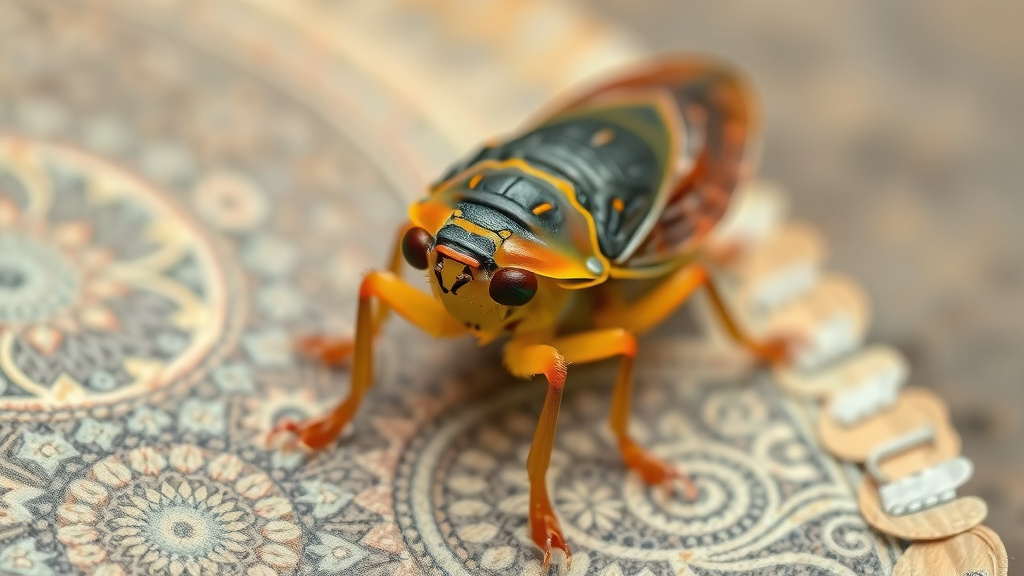
A Quick Comparison: Cicadas vs. Other Pets
It’s helpful to understand that cicadas are very different from traditional pets like dogs or cats. They don’t form bonds with humans. They don’t require social interaction or regular feeding schedules. Their needs are purely biological and tied to their environment.
| Type of Pet | Diet | Care Needs | Lifespan (Adult) |
|---|---|---|---|
| Dog/Cat | Commercial pet food, varied diet | Social interaction, training, exercise, vet care | 10-15 years |
| Cicada | Tree sap | Minimal; observation and release | 2-6 weeks |
As you can see, the requirements are worlds apart. Trying to adapt a cicada to a pet-like situation just isn’t practical or beneficial for the insect.
So, while the urge to nurture a creature you find is natural, with cicadas, the best nurture is often no intervention at all. Enjoy your brief encounter, learn from it, and let nature take its course. It’s the most effective and ethical way to appreciate these incredible insects.
Conclusion
As we’ve seen, your fascination with a cicada is completely understandable. These buzzing beauties are a wonder. But remember, your goal isn’t to become their long-term caregiver. Cicadas have a very specific diet of tree sap and a short adult life focused on reproduction. Trying to feed them human food or sugary liquids can actually harm them. Instead of worrying about what to feed your temporary guest, focus on gentle observation. Appreciating them in their natural habitat is the kindest and most effective approach. Your best next step is to find a safe spot outdoors to release your cicada, allowing it to complete its life’s journey.
Frequently Asked Questions
Can I feed a cicada honey or sugar water?
No, you should not feed a cicada honey or sugar water. Their digestive systems are designed for tree sap, and these sweet liquids can be harmful. Research shows that this type of food can cause serious health problems for them.
What if my cicada looks weak and might need food?
If a cicada appears weak, it’s likely reaching the end of its short natural lifespan. Trying to feed it might do more harm than good. The best action is still to place it near trees or shrubs and let nature take its course.
How long do adult cicadas live, and do they eat much during that time?
Adult cicadas typically live for only about 2 to 6 weeks. During this brief period, they have enough stored energy from their nymph stage to focus on mating. They do not need to eat a significant amount to survive.
Is it okay to keep a cicada in a jar with some leaves or twigs?
While adding leaves or twigs might seem helpful, it’s best to avoid long-term confinement. Cicadas are not suited to living in containers. Ensure any temporary enclosure has plenty of ventilation and is not in direct sunlight.
What is the best way to handle a cicada if I want to observe it?
Handle cicadas as little as possible. If you need to move one, let it crawl onto your hand instead of picking it up. Avoid squeezing its body. Gentle, brief observation is key to minimizing stress for the insect.