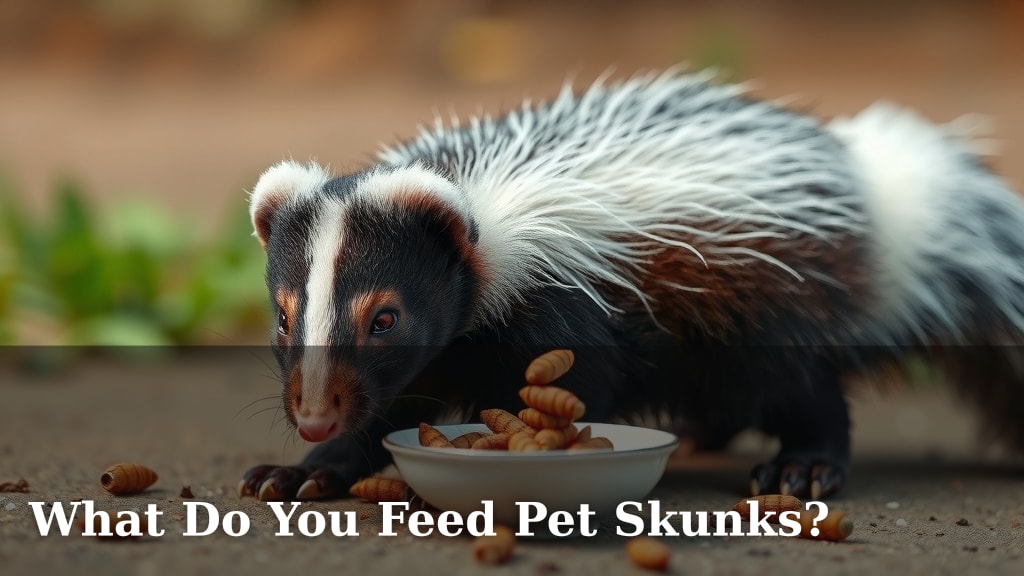
What Do You Feed Pet Skunks?
Feeding pet skunks involves offering a balanced diet that mimics their natural food sources. You should aim for a mix of high-quality protein, fresh vegetables, and a small amount of fruit. It’s essential to avoid processed foods and ensure their meals are nutritionally complete for their well-being.
A skunk’s diet should be varied to cover all their nutritional needs. Research and found that a staple of cooked lean meats, specialized kibble, and a good portion of vegetables is highly recommended. Understanding these dietary needs helps prevent common health issues in domesticated skunks.
- Pet skunks need a diet rich in protein, vegetables, and some fruit.
- Avoid processed foods and focus on whole, natural ingredients.
- Cooked lean meats and specialized kibble can form the base of their diet.
- Fresh vegetables should make up a significant portion of their meals.
- A small amount of fruit can be offered as an occasional treat.
Let’s break down the best foods to keep your skunk happy and healthy.
Understanding Your Pet Skunk’s Dietary Needs
Feeding your pet skunk the right foods is key to their health and happiness. Think of it like you’re preparing a gourmet meal, but for a furry friend with specific tastes and nutritional requirements. A skunk’s diet in the wild is quite diverse, and you’ll want to mimic that variety as closely as possible.
Research shows that a balanced diet helps prevent many common health issues skunks can face. This means focusing on protein, fresh produce, and avoiding things that can make them sick. We’ve gathered the essential information to guide you.
The Building Blocks of a Skunk Diet
Your skunk needs a diet that includes several key components. These work together to keep their bodies functioning well.
Protein Power: The Foundation of Their Meals
Protein is absolutely vital for skunks. It helps build and repair their bodies. Many guidelines suggest that cooked lean meats should form a substantial part of their diet (NCBI). Think chicken, turkey, or lean beef without any seasonings or fats.
You can also include high-quality, low-residue cat or dog kibble. This kibble should be chosen carefully, as not all brands are suitable. Look for one with a high protein content and minimal fillers. Many experts suggest that kibble can be a good base, but it should never be the only thing you feed your skunk.
What Kind of Meat is Best?
Cooked lean meats are ideal. Avoid processed meats like hot dogs or sausages. These often contain salt, nitrates, and other additives that are harmful to skunks.
Choosing the Right Kibble
We found that a high-protein, low-fiber kibble is often recommended. It’s wise to do your research on specific brands and consult with a veterinarian familiar with exotic pets. This ensures you’re not relying on a product that could cause digestive upset.
Veggies and Fruits: Adding Color and Nutrients
Fresh vegetables are an important addition to your skunk’s meals. They provide essential vitamins, minerals, and fiber. A good variety is best, so try to offer a colorful mix.
Recommended Vegetables
Dark, leafy greens like spinach and kale are great choices. Other excellent options include carrots, peas, green beans, and sweet potatoes. Always cook starchy vegetables like sweet potatoes until they are soft.
Fruits: A Sweet Treat in Moderation
Fruits can be given as an occasional treat. They are higher in sugar, so they shouldn’t form a large part of the diet. Berries, apples (without seeds), and melon are usually well-received.
Remember to wash all produce thoroughly before feeding it to your skunk. This removes any pesticides or contaminants.
Foods to Absolutely Avoid
Just as important as knowing what to feed your skunk is knowing what to keep away from them. Some foods can be toxic or cause serious health problems.
The Danger Zone: What Not to Feed
Processed foods, sugary snacks, and anything with artificial ingredients should be avoided. Skunks have sensitive digestive systems.
Common Culprits to Skip
- Chocolate (highly toxic)
- Onions and garlic (can damage red blood cells)
- Grapes and raisins (can cause kidney failure)
- Avocado (contains persin, which is toxic)
- Nuts and seeds (can be a choking hazard and too fatty)
- Dairy products (most skunks are lactose intolerant)
Many common human foods are simply not suitable for skunks. It’s always best to err on the side of caution.
Water: The Unsung Hero
Fresh, clean water should be available at all times. Skunks need to stay hydrated, just like any other animal.
How to Offer Water
A heavy ceramic bowl that can’t be easily tipped over is a good option. Some owners also use sipper bottles, but ensure your skunk knows how to use it and that it doesn’t leak or get clogged.
Sample Meal Plan for Your Skunk
Creating a daily menu can seem daunting, but it’s simpler than you think. A good plan ensures variety and complete nutrition.
Here’s a basic guideline. Remember to adjust portion sizes based on your skunk’s age, activity level, and individual needs.
| Meal Time | Primary Components | Secondary Components | Treats (Occasional) |
|---|---|---|---|
| Breakfast | Cooked lean chicken or turkey, mixed with a small amount of specialized kibble. | A spoonful of cooked sweet potato or mashed peas. | N/A |
| Dinner | A different lean meat (e.g., lean beef) or a portion of high-quality cat food. | A generous mix of steamed or raw chopped vegetables (carrots, green beans, spinach). | A small piece of berry or melon. |
Many owners find a feeding schedule helps keep their skunk’s digestion regular. Some skunks prefer to eat one larger meal, while others do better with two smaller meals.
Supplements and Considerations
While a well-balanced diet should provide most of what your skunk needs, sometimes supplements are recommended. This is especially true if your skunk has specific health issues or dietary restrictions.
When to Consider Supplements
Calcium is often a concern for skunks, especially for females. Many experts suggest a calcium supplement if their diet is lacking. Vitamin D is also important for calcium absorption.
Always consult with a veterinarian specializing in exotic animals before adding any supplements to your skunk’s diet. They can help you determine the correct dosage and type of supplement.
Hydration Check-Up
Ensure your skunk is drinking enough water. Signs of dehydration can include lethargy and sunken eyes. If you notice these signs, contact your vet immediately.
Your Skunk’s Daily Feeding Checklist
Here’s a quick rundown to help you keep their diet on track:
- Check Protein: Ensure a good source of cooked lean meat or quality kibble daily.
- Add Veggies: Offer a variety of fresh, cooked or raw vegetables.
- Fruit Sparingly: Use fruits only as occasional, small treats.
- Avoid Toxins: Double-check all ingredients to ensure they are skunk-safe.
- Fresh Water: Always provide clean, accessible water.
- Vet Consult: Discuss diet and supplements with your exotic pet vet regularly.
Conclusion
Feeding your pet skunk a balanced diet is truly about understanding their unique needs. You’ve learned how to build meals around lean proteins and fresh vegetables, while offering fruits as occasional treats. Remember that avoiding toxic human foods is just as important as knowing what’s safe. By providing a variety of nutritious options and always ensuring fresh water is available, you’re setting your skunk up for a healthy and happy life. Your next step is to observe your skunk’s preferences and consult your exotic vet to tailor their diet perfectly.
Frequently Asked Questions
How often should I feed my pet skunk?
Many skunk owners find success feeding their pets twice a day, once in the morning and once in the evening. This mimics their natural foraging patterns. However, some skunks do well with a single larger meal.
Can I feed my skunk the same food every day?
Variety is key to ensuring your skunk receives a full spectrum of nutrients. Research suggests rotating protein sources and vegetable types helps prevent deficiencies. A diverse diet keeps their digestive system healthy and happy.
What are the best vegetables for skunks?
Dark, leafy greens like spinach and kale are excellent choices. Carrots, peas, green beans, and cooked sweet potatoes are also highly recommended. Aim for a colorful mix to provide a broad range of vitamins and minerals.
Are there any specific brands of cat or dog food that are better for skunks?
When choosing kibble, look for high-protein formulas with minimal fillers and low residue. Many experts advise consulting your veterinarian for specific brand recommendations. They can guide you towards products best suited for your skunk’s digestive system.
How do I know if my skunk is getting enough water?
Ensure your skunk always has access to fresh, clean water in a stable bowl or a reliable sipper bottle. Watch for signs of dehydration such as lethargy or sunken eyes. If you suspect dehydration, contact your exotic pet veterinarian immediately.