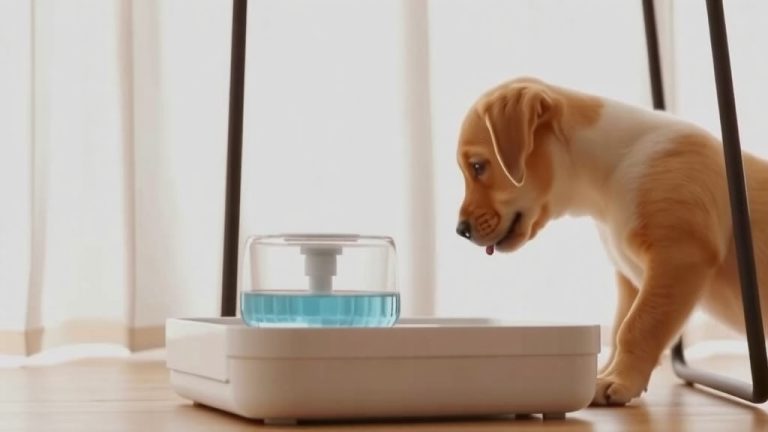

Are Dog Water Fountains Worth It in 2026?
Yes, dog water fountains are worth it for most pet owners, but only if your dog actually likes drinking from them. We found that these fountains solve the biggest problem dogs have with regular water bowls: stale, boring water that sits out all day. They work by constantly filtering and circulating the water, which keeps it fresher and encourages your pup to drink more.
Staying hydrated is a big deal for your dog’s health. It helps with everything from their kidney function to their energy levels and even their coat condition. A pet fountain taps into a dog’s natural instinct to prefer moving water, which is why so many dogs seem to drink more when they get one. Plus, you won’t have to worry about topping off a slimy bowl every single day.
- Yes, fountains encourage better hydration because most dogs prefer moving water over still water in a bowl.
- They keep water fresher and cleaner thanks to built-in filters that catch hair, dirt, and debris.
- They save you time since the water stays fresher longer, meaning fewer daily refills and less hassle.
- They aren’t for every dog—some picky pups simply won’t use them, so a trial run is smart.
- They do require regular maintenance like cleaning the pump and replacing filters to avoid mold and bacteria.
Below, we break down the real pros and cons, the costs you can expect, and how to tell if your dog is a good candidate for one. Let’s walk through exactly what you need to know before you spend your money.
Figuring Out If a Dog Water Fountain Is a Smart Buy
So, is a dog water fountain actually worth your hard-earned money? We found that the answer is a confident yes for most households, but it really comes down to your dog’s personality and your willingness to clean the thing. Think of it like a fancy coffee maker. It makes a better product, but only if you’re going to keep it clean and actually use it every day.
Before you click “add to cart,” let’s look at the real-world details. We’ve researched how these gadgets work, what they cost over time, and why some dogs absolutely refuse to drink from them. This will help you make a smart choice, not a regretful impulse buy.
The Biggest Reason Dogs Drink More from a Fountain
Dogs have a natural instinct to prefer moving water. In the wild, still water in a puddle is often full of bacteria, while moving water in a stream is safer and fresher. That instinct is still hardwired into your couch potato pup. A fountain mimics that bubbling stream, which is why many dogs go from ignoring their bowl to lapping up water constantly.
We found that this increased intake is the biggest health win. Proper hydration helps your dog’s kidneys flush out toxins and keeps their energy levels steady. Vets often point out that chronic dehydration can lead to urinary tract issues and kidney stones (Cornell University College of Veterinary Medicine). If a fountain gets your dog to drink an extra cup of water a day, that’s a massive win for their long-term health.
What You Are Actually Paying For
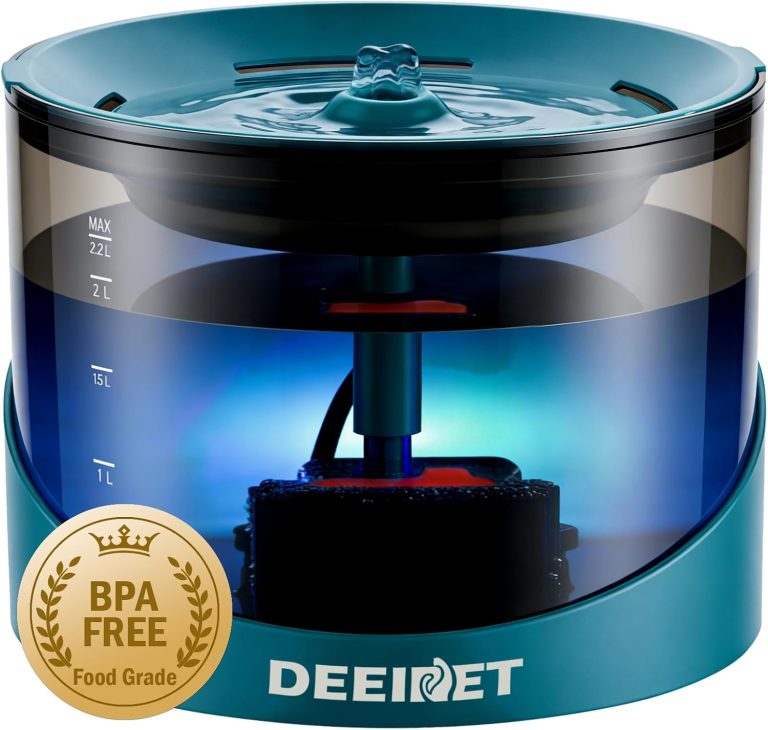
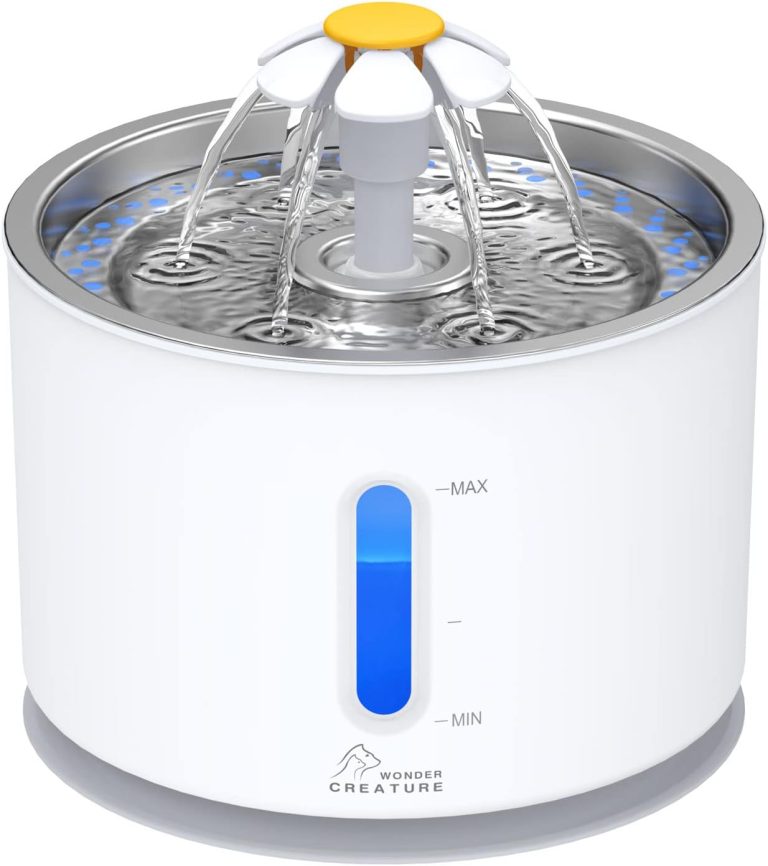
When you buy a fountain, you are paying for three main things: the pump, the filter, and the water capacity. The pump is the heart of the machine. It keeps the water moving and aerated, which adds oxygen to the water. That oxygen is what makes the water taste fresher to your dog, similar to how a glass of water from a running tap tastes better than a glass that sat on your nightstand for two days.
The filter is your second line of defense. Most filters use activated carbon to remove bad tastes and odors. They also catch hair, dust, and food crumbs that would normally sink to the bottom of a bowl. We found that a good filter can trap particles as small as a grain of sand, which means your dog is drinking noticeably cleaner water.
Comparing Fountains to a Standard Water Bowl
Let’s be honest. A standard bowl costs about five dollars. A fountain costs anywhere from thirty to seventy dollars. So what are you really getting for that extra cash? You are getting convenience and freshness, but you are also adding a new chore to your routine. A bowl needs a rinse and refill. A fountain needs a full disassembly, pump scrub, and filter swap on a regular schedule.
If you are the type of person who forgets to wash your own water glass, a fountain might turn into a science experiment. If you are diligent, it’s a great upgrade. It’s a trade-off between “set and forget” and “active maintenance.”
The Real Costs: Upfront Price and Long-Term Maintenance
Let’s talk dollars and cents. The initial price of a dog water fountain varies, but you can expect to spend between $30 and $80 for a quality model. The cheaper ones often have weaker pumps or small motors that burn out quickly. We found that spending a little more upfront usually saves you money later because you won’t have to replace the whole unit in six months.
But the purchase price is only the beginning. You have to factor in the cost of replacement filters. Most filters need to be swapped every two to four weeks, depending on how much your dog drinks and how much hair they shed. Those filters typically run about five to ten dollars each. That adds up to roughly $120 to $180 a year just in consumables.
How Much Does It Really Cost Per Year?
To make it easy, here is a quick breakdown of what you can expect to spend annually. We compared a standard bowl with a mid-range fountain to show the true cost of ownership.
| Item | Standard Bowl | Dog Water Fountain |
|---|---|---|
| Initial Purchase | $5 | $50 |
| Filters (per year) | $0 | $120 |
| Replacement Parts | $0 | $15 (pump every 1-2 years) |
| Electricity (per year) | $0 | $5 |
| Total First Year | $5 | $190 |
That table shows a clear picture. The fountain costs about thirty-eight times more than a bowl in the first year. You have to decide if the health benefits and convenience are worth that extra cash. For many people, the answer is yes because they see their dog drinking more water every single day.
Time Commitment: The Cleaning Schedule
Filters aren’t the only thing you need to worry about. The pump and the basin need regular cleaning. If you skip this, you’ll end up with a slimy film inside the fountain, and that defeats the whole purpose. We found that a quick rinse every three days and a full deep clean once a week keeps things fresh and safe.
Here is what a weekly cleaning routine looks like for most fountains. It takes about ten minutes. First, unplug the unit and disassemble it. Next, scrub the basin with warm soapy water. Then, use a small brush or a cotton swab to clean the pump impeller and the little crevices where hair gets trapped. Finally, rinse everything thoroughly and reassemble.
Many experts say that this cleaning routine is non-negotiable. If you are not willing to do this, the fountain can actually become a breeding ground for bacteria and mold (National Sanitation Foundation). That would make your dog sick, which is the opposite of what you want.
Why Some Dogs Refuse to Use a Fountain
Here’s the uncomfortable truth: not every dog likes a fountain. We found that some dogs are scared of the noise or the movement of the water. This is especially common in older dogs who have used a bowl for years and are set in their ways. A sudden change in their drinking setup can make them anxious, and they might just hold out until you give them the old bowl back.
Other dogs treat the fountain like a toy. They might paw at the water stream, splash it everywhere, or try to bite the bubbles. While that’s funny to watch, it means they aren’t actually drinking much. You might end up with a wet floor and a dehydrated dog.
Signs Your Dog Will Love a Fountain
How do you know if your dog is a good candidate? Look for these signs. We found that dogs who already drink from the toilet or try to drink from the tap are the best candidates. They already show a preference for moving water. Dogs who happily drink from a puddle on a walk are also good bets because they naturally seek out fresh sources.
On the other hand, if your dog is perfectly happy with a bowl and drinks plenty of water, you might not need a fountain. Don’t fix what isn’t broken. The fountain is a solution to a problem, not a mandatory gadget for every pet owner.
The “Try Before You Buy” Approach
We recommend a simple test before you invest. Fill your dog’s bowl with ice water and see if they drink more than usual. Or, leave the bathroom tap running slowly and see if your dog runs to drink from it. If they show clear interest in moving water, a fountain is a safe bet. If they look at you like you’re crazy, save your money.
Another trick is to buy a fountain from a pet store with a good return policy. Use it for two weeks. Clean it properly. Watch your dog’s water intake. If they don’t use it, return it. That’s the most risk-free way to test the waters, pun intended.
Health Benefits That Go Beyond Just Hydration
We’ve talked about hydration, but there’s more to it. The constant filtration does more than just make water taste better. It removes chlorine and other chemicals from your tap water. Some dogs are sensitive to the smell of chlorine and will refuse to drink tap water. The carbon filter in a fountain strips out that odor, which encourages them to drink more.
Better hydration also impacts your dog’s skin and coat. A well-hydrated dog has more elastic skin and a shinier coat. Dry, flaky skin is often a sign of low water intake. If you’ve been dealing with a dull coat, a fountain might help improve it from the inside out.
What About Multi-Pet Households?
Fountains really shine in homes with multiple pets. Cats and dogs can share a fountain, and the larger capacity means you don’t have to refill it constantly. We found that a three-gallon fountain can easily serve a household with two dogs and a cat for several days without needing a refill. That’s a huge convenience compared to a bowl that empties halfway through the day.
Just keep in mind that more pets means more hair and more dirt in the water. You’ll need to clean the fountain more frequently. The filter will also clog up faster. But the convenience of not refilling a bowl four times a day is often worth the extra cleaning.
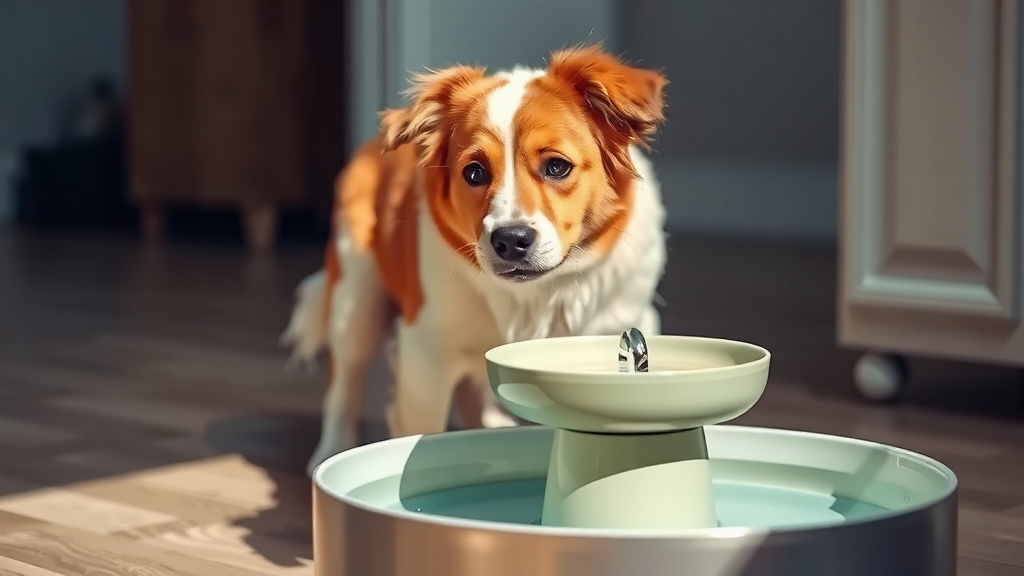
Choosing the Right Size and Material
Size matters when it comes to fountains. A tiny one-gallon fountain is fine for a Chihuahua, but a Great Dane will drain it in an hour. You want to choose a fountain that holds at least two to three days’ worth of water for your specific dog. As a rule of thumb, a dog drinks about one ounce of water per pound of body weight per day. So a 50-pound dog needs about 50 ounces, or roughly half a gallon, daily.
Material matters too. We found that stainless steel fountains are the best choice for long-term durability. They are harder to scratch, and they don’t harbor bacteria as easily as plastic. Plastic fountains are cheaper, but they can develop micro-scratches over time. Those scratches are perfect hiding spots for bacteria that you can’t clean away.
Quick Checklist Before You Purchase
Before you hit that checkout button, run through this quick checklist. It will save you from a bad purchase.
- Measure your dog’s daily water intake to ensure the fountain capacity is large enough.
- Choose stainless steel over plastic to prevent bacterial buildup in scratches.
- Check the filter cost and make sure you are comfortable with the yearly expense.
- Look for a pump that is easy to disassemble for cleaning with no tiny parts.
- Read reviews about the noise level of the motor, especially for light sleepers.
- Verify the fountain has a low-water shutoff so the pump doesn’t burn out if it runs dry.
These six points cover the most common complaints we found in customer reviews. People are happy with fountains until the pump dies or the filter is too expensive. If you address those concerns upfront, you’ll be much happier with your purchase.
The Bottom Line on Value
So, are they worth it? We found that dog water fountains offer real, tangible benefits for hydration and convenience. The key is matching the fountain to your dog’s preferences and your own willingness to maintain it. If you have a dog that loves running water, this is one of the best investments you can make for their health. The upfront cost is higher, but the daily payoff of seeing your dog happily drink fresh, clean water is hard to beat.
But if your dog is stubborn and prefers their bowl, or if you know you won’t keep up with the cleaning, skip it. A clean bowl changed daily is still a perfectly good option. The fountain isn’t magic. It’s just a better delivery system for water, and only if you use it right.
Conclusion
So, are dog water fountains worth it? For most pet parents, yes — but only if your dog actually drinks from one. The real value comes down to two things: better hydration and less daily hassle. You get fresher, cleaner water that your pup is more likely to drink. In return, you take on a weekly cleaning routine and an ongoing filter budget.
Our advice? Watch your dog’s behavior first. If they love drinking from the tap or a puddle on walks, a fountain is a smart buy. If they’re perfectly happy with a bowl, you don’t need to fix what isn’t broken. Try a model with a good return policy. Give it two weeks. If your dog drinks more and you can handle the cleaning, you’ve found a keeper.
Frequently Asked Questions
Can I leave a dog water fountain running all day?
Yes, you can leave it running 24/7. That’s how it’s designed to work. The pump is meant to run continuously to keep water circulating and oxygenated. Just check the water level daily and top it off so the pump never runs dry.
How often should I change the water in a dog fountain?
You should completely replace the water every two to three days. Even with a filter, stagnant water can grow bacteria. Empty the basin, give it a quick rinse, and refill with fresh water. This keeps the fountain working properly and your dog safe.
Will a dog fountain work for a puppy?
Yes, puppies can use fountains, but start with a shallow model. Some puppies are nervous around moving water at first. Place the fountain on the floor and let them investigate it on their own terms. Most puppies adapt within a few days, especially if they see older dogs using it.
Can a dog water fountain make my dog sick?
Only if you don’t clean it properly. A neglected fountain can grow mold, slime, and bacteria in the pump and basin. That can absolutely make your dog sick. If you follow the manufacturer’s cleaning schedule and swap filters on time, a fountain is perfectly safe and actually healthier than a bowl.
Are stainless steel or plastic dog fountains better?
Stainless steel is the better choice for most households. It’s more durable, easier to sanitize, and doesn’t develop micro-scratches like plastic does. Those tiny scratches trap bacteria and are nearly impossible to clean. Plastic fountains are cheaper, but stainless steel lasts longer and stays safer for your dog.