How Pet Water Fountains Work: A Simple Guide
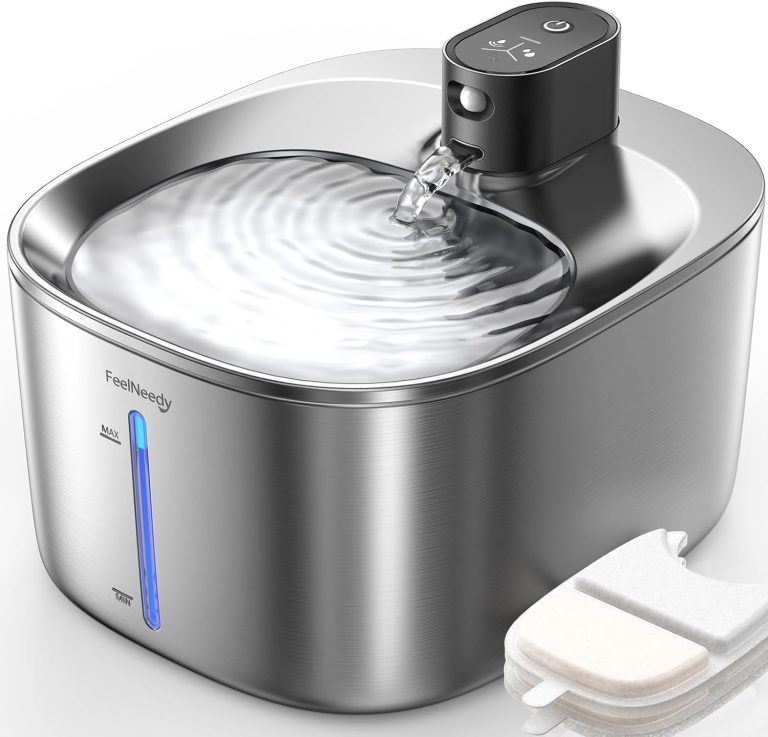
A pet water fountain works by using a small electric pump to **circulate water continuously** through a filter and up to a spout. The water then flows down a ramp or stream back into the reservoir, creating a **fresh and oxygenated drinking source** for your pet. This constant movement is the key difference between a fountain and a boring, stagnant bowl of water.
Your cat or dog is naturally drawn to running water. In the wild, moving water is usually safer and cleaner than still water. We found that this instinct is exactly why fountains encourage pets to drink more. More hydration leads to **better kidney health** and prevents urinary tract issues, which are common concerns for many pet owners.
TL;DR (Here’s the quick breakdown):
- Pump and motor: The fountain uses a submersible pump to move water from the base to the top.
- Filtration system: A carbon filter removes hair, food, and bad tastes, while a foam filter catches debris.
- Continuous flow: The water falls back into the basin, which adds oxygen and keeps the water cooler.
- Instinctual appeal: Pets prefer running water because it is naturally fresher in their instincts.
- Health benefit: Increased water intake supports your pet’s kidneys and digestion.
Below, we break down the specific parts of the fountain, how the pump works, and the best ways to keep it clean so your furry friend stays happy and hydrated.
Understanding the Inner Workings of a Pet Water Fountain
At its core, the whole system is simple. You fill a reservoir, plug it in, and a pump does all the heavy lifting. The magic lies in the continuous loop of water moving from the base, up a tube, and back down again.
We found that most pet owners don’t realize how little energy this takes. A standard fountain uses a low-voltage pump that is designed to run 24/7. This constant motion is what keeps the water from going stale.
The Role of the Submersible Pump
The pump is the heart of the fountain. It sits at the bottom of the water reservoir. It pulls water in through a small intake port and pushes it up a hose to the top spout.
Most pumps are powered by a small magnetic motor. They are quiet and efficient. The motor uses a spinning impeller to create suction and pressure.
You will rarely need to replace the motor. However, you will need to keep the impeller clean. Hair and grit can clog it, which slows the water flow.
Why the Pump Needs Priming
If you let the fountain run dry, the pump loses its prime. That means it has air inside instead of water. Running a pump dry can burn out the motor quickly.
Always add water to the base before plugging it back in. Many experts say that checking the water level daily is the best habit for longevity (ASPCA guidelines suggest constant access to fresh water).
The Filtration Trio: Carbon, Foam, and Mesh
Filtration is where the “fresh” part comes in. Most fountains use a three-stage process. Each layer catches a different type of gunk.
- Foam filter: This catches hair, dust, and food crumbs floating in the water.
- Activated carbon: This removes odors, bad tastes, and chemicals like chlorine.
- Mesh screen: This sits over the pump to catch larger debris before it jams the motor.
We found that replacing these filters every two to four weeks is essential. If you skip this, the filters become saturated. They can actually release the bacteria they captured back into the water.
How the Water Flow Creates Health Benefits
The flow isn’t just for looks. It changes the physical properties of the water. The movement adds oxygen and helps regulate temperature.
Stagnant water in a bowl loses dissolved oxygen quickly. A fountain constantly aerates the water. This makes it taste better to your pet.
Oxygenation and Bacterial Growth
Moving water is less hospitable to certain bacteria. Biofilm, that slimy layer on bowl walls, grows much slower in moving water. The agitation of the water surface breaks up the film.
Research shows that running water has lower levels of aerobic bacteria compared to standing water (National Institutes of Health). This doesn’t mean the fountain is sterile. It just means the bacteria load is lower.
Temperature Regulation
As water splashes and falls, it evaporates slightly. This evaporation cools the water. On a warm day, the water in a fountain will be noticeably cooler than water in a static bowl.
Cats, in particular, prefer cooler water. We found that a cooler drink encourages them to take more sips throughout the day. This is a simple trick to boost hydration without changing their food.
Why Your Pet’s Instincts Favor Running Water
Your house cat is related to desert cats. In the wild, standing water in a puddle is often contaminated. Running water in a stream is usually cleaner.
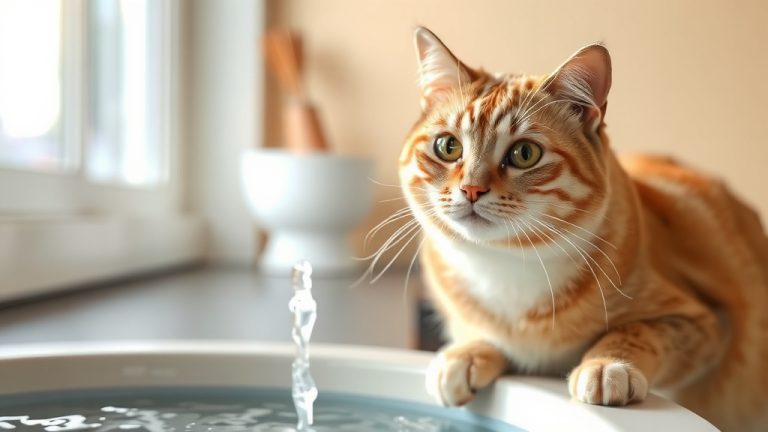
This is a survival instinct. Your pet doesn’t think about it. They just feel a pull toward the moving stream. That is why many cats will stare at a faucet instead of drinking from their bowl.
We found that using a fountain tricks this instinct positively. It gives them the “stream” experience without you having to leave the tap on.
The Whisper of Water Attracts Cats
Cats have excellent hearing. They can hear the high-frequency sound of water molecules moving. A silent bowl offers no audio cue. A fountain provides a gentle bubbling sound that piques their curiosity.
This auditory attraction is strong. Many cats will approach a fountain within minutes of setting it up. They want to investigate the source of the sound.
Different Flow Types and Their Mechanisms
Not all fountains shoot water straight up. We found that different designs serve different purposes. The flow type affects how much noise is made and how much water splashes out.
Free-Falling Streams
This is the classic design. Water comes out of a spout and falls in a single stream into the basin. It is simple and usually the quietest option. The stream is narrow, so it doesn’t splash much.
These are great for skittish pets. The water surface is mostly calm, which makes them feel safer while drinking.
Ramp and Flower Designs
These have water bubbling up and flowing over a flat surface. The water runs down a ramp into the pool. This creates a wider surface area for drinking.
Ramps are good for dogs with flat faces, like Pugs or Bulldogs. They can lap the water without submerging their nose.
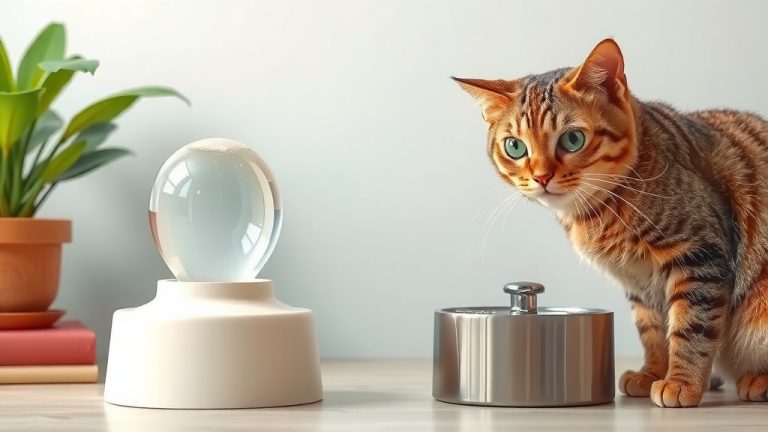
Upside-Down Bottle Dispensers
These hold a large bottle upside down. Gravity feeds water into a shallow dish, and a pump circulates it from the dish to a spout. This increases water capacity significantly.
If you leave for the weekend, this is a lifesaver. It holds more water than a standard reservoir, meaning less frequent refills for you.
Table: Comparing Fountain Styles for Your Pet
| Flow Type | Best For | Noise Level | Maintenance |
|---|---|---|---|
| Free-Falling Stream | Shy cats and small dogs | Very quiet | Low (less splashing) |
| Ramp/Flower Flow | Flat-faced breeds | Moderate (gurgling) | Medium (algae on ramp) |
| Bottle Dispenser | Multi-pet households | Quiet | High (clean bottle neck) |
| Fountain with LED Light | Night-time drinkers | Low | Medium (light housing) |
We found that most pets adapt to any style within a week. The key is to pick one you can clean easily. If it is a hassle to take apart, you will clean it less often, and the water will get dirty.
Step-by-Step: The Water Circulation Cycle
Let’s trace the path of a single drop of water. This helps you visualize the system when you are troubleshooting it.
- Collection: Water sits in the bottom reservoir or basin.
- Suction: The pump pulls water through the intake holes and the pre-filter sponge.
- Pumping: The impeller spins and forces the water up the outlet tube.
- Filtration: The water passes through the carbon cartridge on its way up or as it falls back down.
- Distribution: The water exits the spout or flower on top.
- Aeration: The water falls back to the reservoir, splashing and picking up oxygen.
This cycle repeats hundreds of times per hour. That constant motion keeps the water from developing a surface film.
Choosing the Right Pump Size for Your Fountain
You might need to replace your pump after a year or two. Pumps are rated by gallons per hour (GPH). The size of your fountain dictates the flow rate you need.
If the pump is too weak, the water just dribbles out. If it is too strong, the water splashes out of the basin. We found that most mid-size fountains work best with a 25 to 50 GPH pump.
Signs Your Pump Is Failing
Listen to the motor. A grinding sound means the impeller is hitting debris. A hum with no water flow means the motor is dead.
- Water flow is noticeably weaker.
- The motor stops and starts randomly.
- There is a burning smell from the base.
- The fountain is hot to the touch.
If you see any of these, unplug the unit. Check the impeller for hair wrapped around the magnet. Sometimes a simple toothpick clean fixes the issue.
Practical Checklist for Weekly Maintenance
Clean water requires a clean machine. A dirty fountain is worse than a bowl you wash daily. The narrow tubes and pump cavities harbor slime if ignored.
We found that a simple weekly routine takes less than five minutes. Here is a quick checklist to keep your fountain running like new.
- Unplug the fountain and disassemble all parts.
- Rinse the foam and carbon filters under lukewarm water (no soap).
- Scrub the pump housing and impeller with a soft toothbrush.
- Soak all plastic parts in a vinegar-water solution (1:3 ratio) for 15 minutes.
- Rinse every part thoroughly until the vinegar smell is gone.
- Refill with fresh water and reassemble before plugging it back in.
Do not put the plastic parts in the dishwasher. The heat can warp the plastic and damage the pump seals. Hand washing is always safer.
Why Soap Is a Bad Idea
Soap leaves a residue. That residue can foam up in the pump and ruin the motor. Worse, the taste lingers and deters your pet from drinking.
Many experts say that hot water and a brush are enough for daily grime. Use vinegar for deep cleaning to dissolve hard water scale and mineral deposits. This keeps the fountain safe without introducing chemicals.
What Happens If You Leave It Off?
You might be tempted to turn the fountain off at night to save electricity. We advise against it. The fountain is designed to run continuously.
When the water sits still for hours, bacteria multiply. The pump seals can also dry out and crack if the motor runs dry after the water evaporates. It is safer to keep it running.
The electricity cost is minimal. Most small pumps use about 5 watts. That is less than a nightlight. The health benefit of fresh water far outweighs the penny of electricity you save.
Common Mistakes That Break Fountains
We have seen many pets lose their favorite water source due to simple owner errors. Avoid these pitfalls and your fountain will last for years.
- Ignoring the water level and letting the pump run dry.
- Using filtered or distilled water exclusively (they lack minerals that keep the pump lubricated).
- Putting the carbon filter in the dishwasher.
- Allowing the cord to be chewed by a teething puppy.
Use tap water if it is safe for you to drink. If your tap water is high in calcium, clean the pump more often to prevent scale buildup. The mineral content actually helps the pump operate smoothly.
Final Thoughts on Fountains and Hydration
We found that a pet water fountain solves a very real problem: pet dehydration. It combines instinct, gravity, and a tiny motor to create an appealing drinking source.
The technology is not complex. It is a pump, a filter, and a basin. But the result is a healthier, happier pet that drinks more water without you having to beg them. Give it a try and watch your furry friend’s drinking habits change for the better.
Conclusion
Your pet’s instinct to seek moving water is strong. A fountain taps into that natural pull while keeping the water oxygenated, filtered, and cool. You get a simple system: a pump pushes water up, a filter cleans it, and gravity brings it back down.
The real win is better hydration for your cat or dog. That means fewer kidney issues and a happier, healthier pet. You just need to stay on top of weekly cleaning and daily water checks.
Pick a fountain that fits your pet’s drinking style and your cleaning habits. Start with a free-falling stream model if you are unsure. Set it up today, and watch your furry friend drink more than they ever did from a bowl.
Frequently Asked Questions
How often should I change the water in my pet fountain?
You should replace the water completely every two to three days. This prevents bacteria from building up in the reservoir. Even with a good filter, stagnant water sitting in the base can grow slime over time.
Can I use a pet water fountain for both cats and dogs?
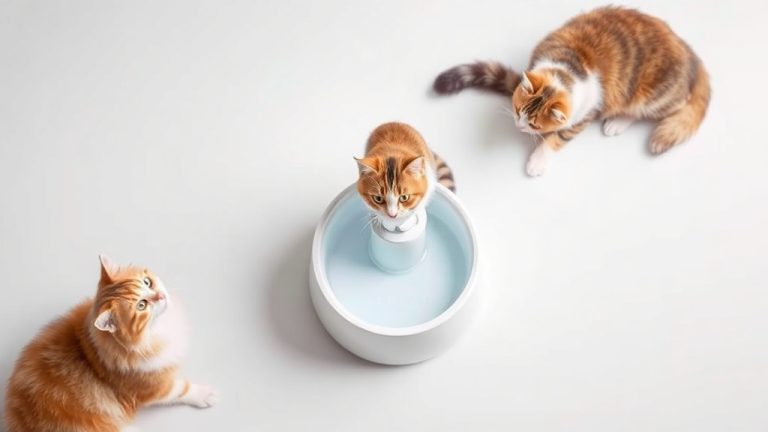
Yes, most fountains work well for both species. You just need to pick a size that matches your pet’s drinking habits. A larger reservoir is better if you have multiple pets or a big dog that drinks a lot.
Why does my pet water fountain make a gurgling noise?
A gurgling sound usually means the water level is too low. The pump is sucking in air along with water. Add more water to the reservoir and the noise should stop right away.
Do pet water fountains need to run all day and night?
Yes, leaving it running 24/7 is best for your pet. The constant flow keeps the water fresh and oxygenated. The pump uses very little electricity, so you will barely notice it on your bill.
Why won’t my cat drink from the new fountain?
Some cats are cautious about new things. Give them a few days to get used to the sound and movement. You can also place the fountain next to their old bowl so they can switch over gradually. For tips on helping your cat adjust, see our guide to introducing a fountain to your cat.