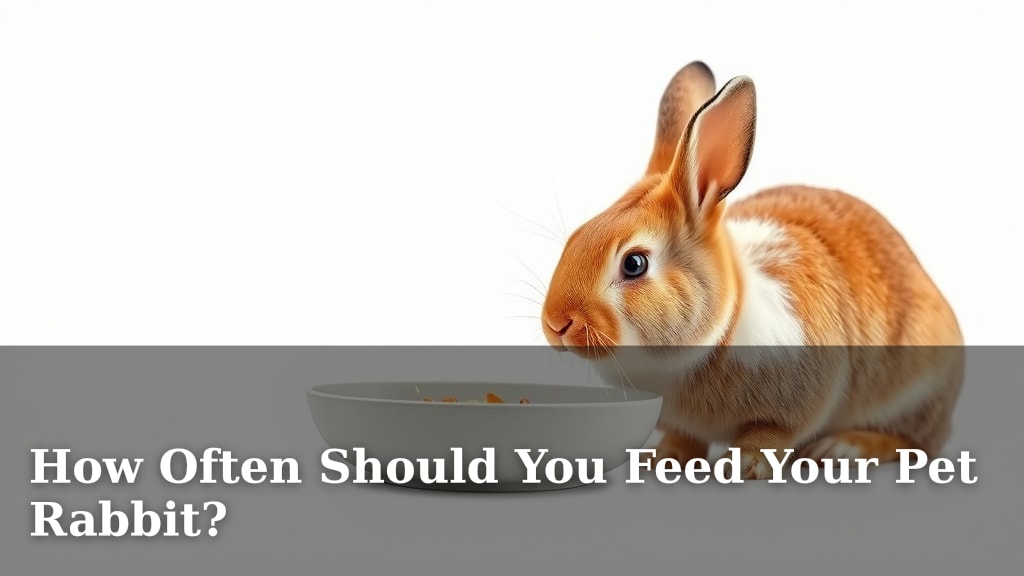
How Often Should You Feed Your Pet Rabbit?
Feeding your pet rabbit the right amount is key to their health. Most adult rabbits need about 1 cup of fresh greens per day for every 2 pounds of body weight, split into two feedings. Hay should always be available. This amount can change based on your rabbit’s age and activity level, so understanding their needs is important.
Beyond greens, a small portion of high-quality pellets is usually recommended daily. Treats should be very limited. Research shows that too many pellets can lead to obesity and other health issues. We found that a balanced diet is essential for digestion and overall well-being.
- Rabbits thrive on fresh greens, hay, and limited pellets.
- Aim for 1 cup of greens per 2 lbs of body weight daily.
- Unlimited access to fresh hay is vital for digestion.
- Treats should be given sparingly to avoid health problems.
- Consult your vet for personalized feeding advice.
So, let’s hop into the details and figure out the perfect feeding schedule for your furry friend!
Understanding Your Rabbit’s Feeding Schedule
Figuring out how often to feed your rabbit can feel like a puzzle. You want to make sure they’re healthy and happy, right? We’ve done the research to help you create a feeding routine that works. Most adult rabbits do best with their main food sources offered at consistent times each day.
The Foundation: Hay, Hay, and More Hay!
Hay isn’t just a food; it’s the cornerstone of a rabbit’s diet. It provides essential fiber for digestion. This fiber helps prevent serious gut issues like stasis. Think of it as their constant snack bar.
Your rabbit should have unlimited access to fresh hay at all times. We’re talking timothy, orchard grass, or oat hay. Alfalfa hay is okay for young, growing rabbits but too high in calcium for adults. You should check their hay rack or pile multiple times a day.
Fresh Greens: A Daily Delight
When it comes to fresh greens, moderation and consistency are key. As mentioned in the intro, about 1 cup per 2 pounds of body weight is a good starting point. This should ideally be split into two servings daily.
Offering greens in the morning and evening helps maintain a steady intake. This mimics how they might forage throughout the day. It also allows you to observe their appetite. A rabbit that suddenly stops eating greens might be showing an early sign of illness.
Choosing the Right Greens
Not all greens are created equal for rabbits. A good variety is best. Think leafy lettuces (romaine is great), parsley, cilantro, dill, and dandelion greens. Spinach and kale can be offered, but less frequently due to their higher oxalic acid content (NCBI).
Always introduce new greens one at a time. This helps you watch for any digestive upset. A sudden change in diet can be hard on their delicate systems. We found that a rotation of 3-5 different types of greens daily is ideal.
Pellets: The Supplemental Treat
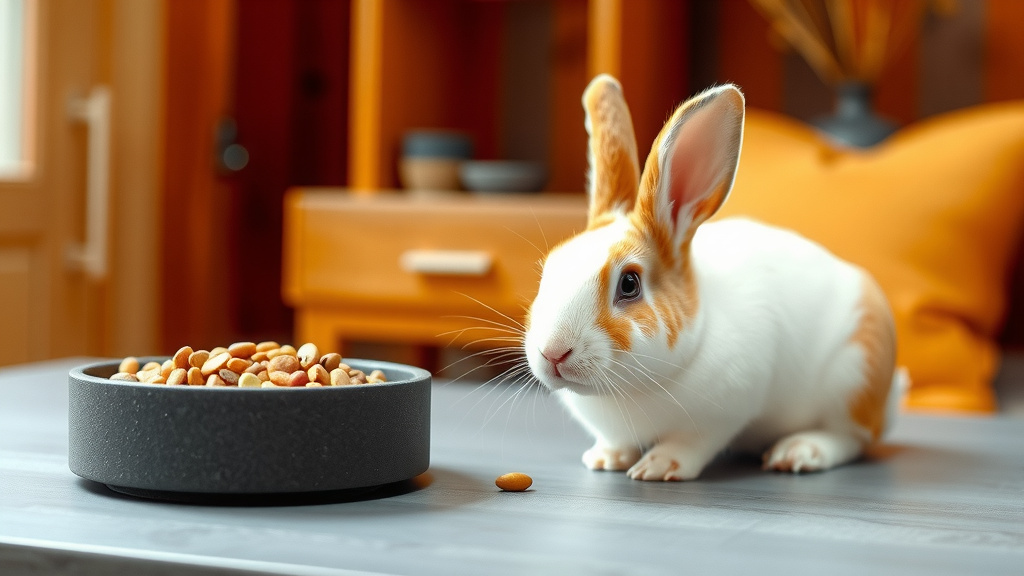
Pellets are meant to supplement, not dominate, their diet. For adult rabbits, a small amount of high-quality, plain timothy-based pellets is usually recommended. We found that too many pellets can lead to obesity and dental problems. It can also displace the hay and greens they need.
The amount of pellets varies, but many experts suggest about 1/8 to 1/4 cup per 5 pounds of body weight daily. It’s best to offer pellets once a day. This makes it easier to measure and control their intake. Some owners prefer to give their pellets in the morning, others in the evening. Consistency is more important than the exact time.
Treats: Use Sparingly!
Oh, the temptations! Rabbits love a good treat, but these should be very limited. Think of them as special occasions. A tiny piece of fruit (like apple or banana) or a small rabbit-safe vegetable (like a sliver of carrot) is usually enough.
Many experts recommend offering treats only a few times a week. A common guideline is no more than 1-2 tablespoons of treats per day, and even that can be too much for some rabbits. Overfeeding treats can lead to an unhealthy weight and digestive issues.
Water: Always Fresh and Available
Just like food, fresh water is non-negotiable. Rabbits need constant access to clean water. This can be provided in a heavy ceramic bowl or a sipper bottle. Many rabbits actually drink more from a bowl. It’s also easier to clean thoroughly.
You should check and refresh their water daily. Wash the bowl or bottle regularly to prevent bacterial growth. Dehydration can be a serious problem for rabbits, so ensuring they have plenty of water is vital for their health.
A Sample Feeding Schedule Framework
To help you visualize, here’s a basic framework. Remember, you’ll need to adjust this based on your specific rabbit’s needs.
| Meal | Hay | Greens | Pellets | Treats |
|---|---|---|---|---|
| Morning | Unlimited | Approx. 1/2 cup per 2 lbs body weight | Approx. 1/8 – 1/4 cup per 5 lbs body weight (given once daily) | Occasional / Sparingly |
| Evening | Unlimited | Approx. 1/2 cup per 2 lbs body weight | (If not given in morning) | Occasional / Sparingly |
| Throughout the Day | Unlimited | N/A | N/A | N/A |
When to Adjust the Feeding Plan
Your rabbit isn’t a static creature. Their needs will change. Factors like age, activity level, and health all play a role. Younger rabbits need more calories for growth. Senior rabbits might need adjustments for slower metabolism.
If your rabbit is very active, they might benefit from slightly more hay or greens. If they are prone to weight gain, you may need to reduce pellets or treats further. Always observe your rabbit’s condition. Are they at a healthy weight? Is their coat shiny? Are their droppings normal?
Key Feeding Takeaways for Your Rabbit:
- Always have fresh hay available.
- Offer fresh greens twice daily.
- Measure pellets carefully; don’t overfeed.
- Treats should be rare and tiny.
- Fresh water is a must, always.
- Monitor your rabbit for any changes.
Conclusion
You’ve learned a lot about keeping your rabbit happy and healthy through proper feeding. Remember, hay is the star of their diet, available 24/7. Fresh greens should be offered twice daily, and pellets and treats should be given in very controlled amounts. Always ensure fresh water is accessible. Your rabbit’s needs can change, so keep observing their weight and behavior. By following these guidelines, you’re on the right track to providing excellent nutrition. The best next step is to review your current rabbit’s feeding routine and make any necessary adjustments based on what you’ve learned today.
Frequently Asked Questions
How do I know if I’m feeding my rabbit the right amount of greens?
You’ll want to monitor your rabbit’s weight closely. If they are maintaining a healthy weight and have good energy levels, your portion size is likely correct. Watch for any signs of digestive upset, which could indicate too much or the wrong types of greens.
Can my rabbit have an unlimited amount of pellets?
No, absolutely not. Pellets are meant to be a small supplement to their diet, not a main food source. Too many pellets can lead to obesity, dental issues, and can displace the essential fiber from hay and greens they need.
What are the best times of day to feed my rabbit?
Consistency is key. Many owners find that offering greens in the morning and evening works well. Pellets can be given once daily, either in the morning or evening. The most important thing is to stick to a regular schedule so your rabbit knows when to expect their food.
Is it okay to feed my rabbit a new type of treat or green suddenly?
It’s best to introduce any new food item slowly. Offer a very small amount of a new green or treat and watch your rabbit for any signs of digestive upset, like soft stools or lethargy. This allows you to identify any sensitivities without causing a major problem.
How often should I change the hay in my rabbit’s feeder?
Your rabbit should have constant access to fresh hay, so you’ll want to check their hay feeder or pile multiple times a day. Remove any soiled hay and replenish with fresh hay as needed to ensure they always have a clean and appealing supply.