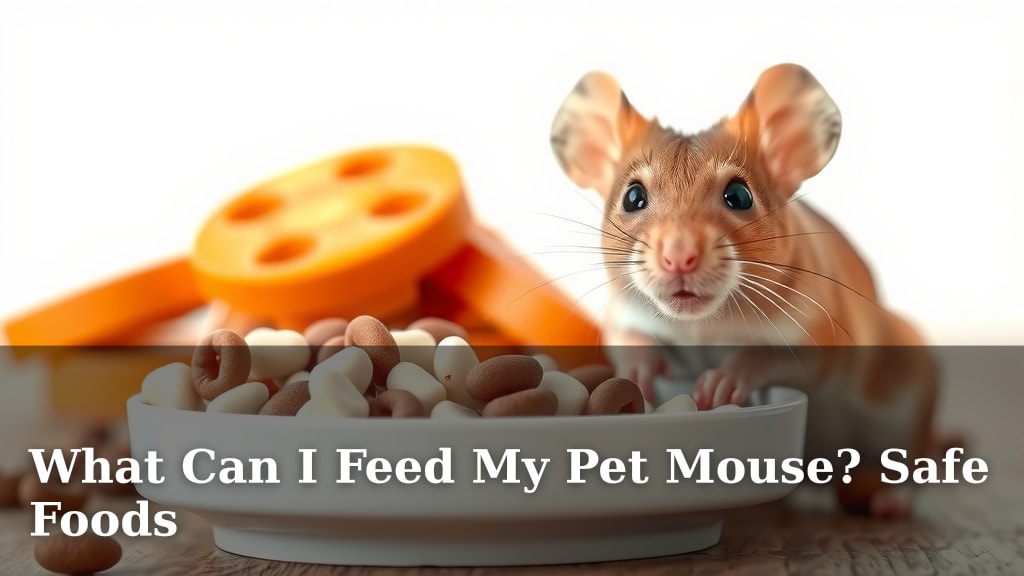
What Can I Feed My Pet Mouse? Safe Foods
Yes, you can feed your pet mouse a variety of safe and nutritious foods, including pellets specifically made for mice, small amounts of cooked grains, and certain fresh vegetables. It’s important to provide a balanced diet to keep your tiny friend happy and healthy. Avoid sugary treats and processed human foods.
Understanding what constitutes a healthy diet for your mouse is key to their well-being. A mouse’s diet should primarily consist of a commercial mouse food. You can supplement this with tiny pieces of safe fruits and vegetables. We found that variety can prevent picky eating. Always research new foods before offering them.
- Offer a high-quality commercial mouse food as the staple.
- Include small servings of safe, fresh fruits and vegetables.
- Cooked grains like oatmeal can be given in moderation.
- Always wash fresh produce before feeding it to your mouse.
- Avoid sugary, salty, and fatty human foods.
Let’s break down the best foods you can offer your pet mouse and some things to steer clear of. We’ll cover everything you need to know to create a delicious and healthy meal plan for your little buddy.
“`htmlWhat to Feed Your Pet Mouse: A Healthy Diet Guide
Wondering what to feed your tiny companion? You’ve come to the right place! A mouse’s diet is essential for their health and happiness. We’ve researched the best options to keep your little friend thriving.
Understanding Your Mouse’s Nutritional Needs
Mice are omnivores, meaning they eat both plants and animals. However, their digestive systems are small and sensitive. They need a diet that is easy to digest and provides balanced nutrition. Think of it like a tiny, specialized meal plan!
The Importance of a Staple Food
Your mouse’s diet should primarily revolve around a high-quality commercial mouse food. These are specially formulated to meet their specific dietary requirements. Many brands offer these in pellet form, which is excellent. Pellets help prevent selective feeding, ensuring your mouse gets all the nutrients they need.
We found that choosing a brand that specifically states it’s for mice, rather than hamsters or gerbils, is important. This ensures the nutrient ratios are correct. Look for foods with protein, fat, and fiber at appropriate levels. Many experts suggest a protein content of around 15-20% for adult mice (National Pet Association).
Adding Variety: Safe Fruits and Vegetables
While a good commercial mix is key, a little bit of fresh food can be a wonderful treat. This adds important vitamins and minerals. It also provides mental stimulation for your mouse. But remember, variety means small portions and careful selection.
Fruits to Offer Sparingly
Many fruits are too sugary for mice. You can offer tiny pieces of fruits like apples (seeds removed!), bananas, or berries. Think of a piece no bigger than your pinky fingernail. Offer these only a couple of times a week at most. Too much sugar can lead to health issues.
Vegetables Your Mouse Will Love
Most plain vegetables are a great addition. You can offer small amounts of carrots, broccoli, spinach, or cucumber. Always wash fresh produce thoroughly before giving it to your mouse. Remove any seeds or tough outer skins. Cooked sweet potato or peas can also be offered in moderation.
Other Food Options to Consider
Beyond pellets and fresh items, there are other things you can safely include.
Cooked Grains and Seeds
Plain, cooked oatmeal is a favorite among many mice. Offer it cooled and in a very small amount. You can also give a few seeds, like sunflower seeds, as occasional treats. However, seeds are high in fat, so feed them sparingly. This is similar to how we might enjoy a cookie – a little is fine, but not every day!
Protein Boosts
Mice are omnivores, so a little extra protein is beneficial. You can offer a tiny piece of cooked, unseasoned chicken or a small amount of hard-boiled egg. Mealworms or crickets, available at pet stores, are also a great protein source. Again, these are treats and should be given in very small quantities.
Foods to Absolutely Avoid
Just as important as knowing what to feed your mouse is knowing what *not* to feed them. Some human foods can be harmful or even toxic to these tiny creatures.
The Dangers of Sugary and Salty Foods
Anything high in sugar or salt is a big no-no. This includes candy, cookies, chips, and most processed human snacks. Their small bodies can’t handle these ingredients. It can quickly lead to serious health problems.
What About “Human” Staples?
Bread and pasta should also be avoided. While they might seem harmless, they offer little nutritional value for mice and can cause digestive upset. Raw beans and uncooked rice are also dangerous. They contain toxins that can harm your mouse. Chocolate is toxic to many small pets, including mice, so keep it far away from their cage.
Citrus and Certain Vegetables
Some fruits and vegetables are better left off the menu. Citrus fruits, like oranges and lemons, are too acidic. Many experts advise against them (American Veterinary Medical Association). Onions, garlic, and leeks can also be harmful. Stick to the safer options we discussed earlier.

Creating a Balanced Meal Plan
Putting it all together, you can create a diet that keeps your mouse happy and healthy. Consistency is key, with a good commercial pellet as the foundation.
A Typical Week’s Diet Checklist
Here’s a simple checklist to help you manage your mouse’s diet:
- Daily: High-quality mouse pellets.
- Every 2-3 Days: Small portion of safe fresh vegetables.
- Once a Week: Tiny piece of fruit (seeds removed).
- Occasionally: A small protein treat or cooked grain.
- Always: Fresh, clean water available.
Portion Control is Crucial
Remember, mice are tiny! A piece of food the size of your pinky fingernail is usually plenty. Overfeeding, even with healthy foods, can lead to obesity. We found that using tweezers to offer small pieces helps with portion control.
Introducing New Foods Safely
When introducing any new food, start with a tiny piece. Watch your mouse for any signs of digestive upset like diarrhea or lethargy. If you notice any issues, stop giving that food immediately and consult a vet. It’s always wise to do a quick search for any new food item you’re considering. Many online pet communities and veterinary sites offer lists of safe and unsafe foods.
“`Conclusion
Feeding your pet mouse a balanced diet is simpler than you might think. By relying primarily on a high-quality commercial mouse food, you provide a solid nutritional foundation. Supplementing with small amounts of safe fresh produce and occasional protein treats adds essential vitamins and variety. Remember that portion control is key due to their tiny size. Always prioritize fresh water and avoid sugary, salty, or toxic human foods. You’re now well-equipped to create a delicious and healthy meal plan for your little friend!
Frequently Asked Questions
Can I feed my mouse table scraps?
It’s best to avoid most table scraps. Human foods are often too high in salt, sugar, or fat for a mouse’s sensitive digestive system. Stick to foods specifically recommended for mice to ensure their safety and health.
How much commercial mouse food should I give my mouse?
The exact amount can vary based on the specific food brand and your mouse’s age and activity level. Generally, a tablespoon of pellets per mouse per day is a good starting point. Always check the packaging for recommended feeding guidelines.
Are seeds safe for pet mice?
A few seeds, like sunflower seeds, can be offered as occasional treats. However, seeds are high in fat. It’s important to feed them sparingly to prevent weight gain and other health issues. They should not be a staple in your mouse’s diet.
What should I do if my mouse eats something it shouldn’t have?
If you suspect your mouse has eaten something harmful, monitor them closely for any signs of illness, such as lethargy, diarrhea, or loss of appetite. Contact your veterinarian immediately for advice and treatment options.
How often should I offer fresh fruits and vegetables?
Fresh produce should be offered as a supplement, not the main diet. A small portion of safe vegetables can be given every 2-3 days. Tiny pieces of fruit, with seeds removed, should only be offered about once a week due to their sugar content.