Do Cat Water Fountains Work? Benefits Explained
Yes, cat water fountains work, and for many cats, they work very well. We found that the moving water is simply more appealing to most felines than a stagnant bowl, which often leads to increased daily water intake.
This isn’t just about being picky — it’s about health. Cats are naturally prone to urinary tract issues and kidney problems. Because a fountain encourages your cat to drink more, it provides vital hydration that helps prevent these serious conditions. We’ve looked at how these devices solve the common problem of the “uninterested drinker.”
- They work: The flow and sound attract cats, prompting them to drink more water.
- Health perks: Increased drinking supports kidney health and prevents urinary crystals.
- Freshness factor: Continuous filtration keeps the water cleaner and better-tasting than a bowl.
- Upkeep required: They need regular cleaning and filter changes to function safely.
- Not for every cat: Some cats are scared of the noise or motor, though many models are quiet.
Below, we will walk you through exactly why these fountains are so effective, how to pick the best one for your picky pet, and the simple daily habits you need to keep it running perfectly.
Why the Moving Water Trick Actually Works on Cats
You might wonder why your cat stares at the faucet like it’s a movie. That’s not just a weird habit. It’s biology.
Many experts say cats have a natural instinct to avoid still water. In the wild, standing water can harbor bacteria. Moving water feels safer and fresher to them. We found that this instinct drives their attraction to fountains.
The sound of trickling water also triggers their curiosity. It’s a signal that the water is clean and oxygenated. Your cat’s brain reads that as “safe to drink.” That instinct is powerful. It often overrides their stubbornness.
The “Freshness” Instinct in Felines
Think about a puddle outside. Would you trust it? Probably not. Cats feel the same way about a bowl that’s been sitting out all day. They can smell the stale particles in the water.
A fountain constantly cycles water through a filter. This removes debris, dust, and even some odors. The water tastes better to your cat. We found that this freshness is often the real game-changer for picky drinkers, not just the motion itself.
Why Your Cat Prefers the Faucet Over the Bowl
You’ve likely seen your cat jump on the sink and wait for you to turn on the tap. It seems like the same water, right? But it’s not about temperature. It’s about the experience.
The faucet offers a fresh, continuous stream. A bowl offers a stale, flat surface. A fountain mimics that faucet experience in a more convenient package. It gives your cat the moving water they crave without you having to run the tap all day.
Health Benefits Linked to Increased Water Consumption
Drinking more water is the biggest health win for your cat. It’s simple math. More water in means more diluted urine. Diluted urine helps prevent painful crystals and urinary tract infections.
Kidney disease is a common issue in older cats. The National Institutes of Health (NIH) notes that adequate hydration is vital for kidney function. A fountain encourages the habit early, which can support long-term organ health.
Preventing Urinary Tract Problems With Hydration
When cats don’t drink enough, their urine becomes concentrated. This can lead to bladder stones or blockages. These conditions are not just scary—they are life-threatening for male cats.
We found that consistent water intake keeps the urinary system flushed out. It reduces the risk of sludge building up in the bladder. Many veterinarians suggest that encouraging fluid intake is a key part of preventing these issues in the first place (Cornell University College of Veterinary Medicine).
Supporting Kidney Health With Every Sip
Your cat’s kidneys act like a filter for their blood. They need water to work properly. If your cat is chronically dehydrated, those filters get stressed.
Think of it like your car engine running low on oil. It might work for a while, but it’s wearing out faster. A fountain helps ensure your cat’s engine stays lubricated. We found that this is especially important for senior cats who might have declining kidney function.
How to Pick a Fountain That Your Cat Will Actually Use
So you’re ready to try one. The tricky part is choosing the right model. Not all fountains are created equal. We found that you need to match the fountain to your cat’s personality, not just your kitchen decor.
Look for these key features. They make the difference between a water palace and a dusty paperweight. It takes a little bit of observation to get it right.
Noise Levels and Motor Quality
Some cats are brave. Others are scared of their own shadow. If your cat is jumpy, a loud motor will make them run away.
Look for pumps labeled as “ultra-quiet” or “whisper” models. We found that pumps with ceramic bearings tend to run quieter than magnetic ones. Place the fountain on a placemat to absorb vibrations. A quiet fountain is more likely to be a used fountain.
Material Matters: Plastic, Ceramic, or Stainless Steel
Plastic is cheap, but it’s the worst choice for many cats. Some cats get “cat acne” from plastic surfaces. That’s a condition where their chin breaks out from bacteria in the plastic scratches.
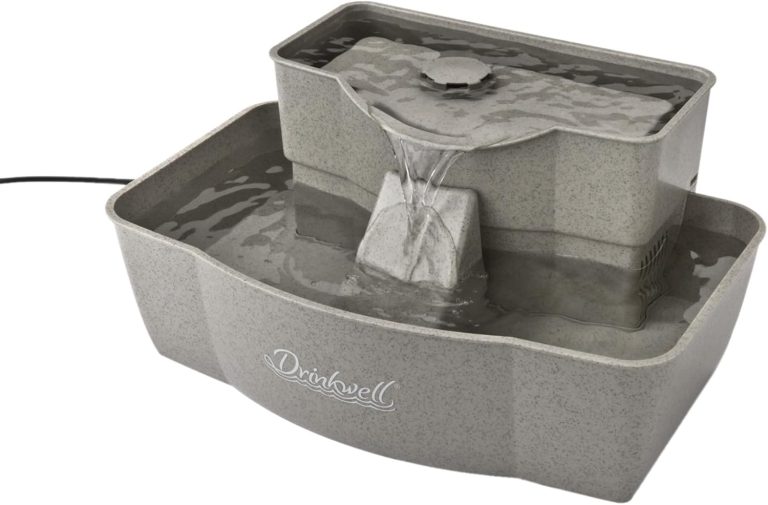
Stainless steel is the most hygienic option. It doesn’t harbor bacteria and it’s easy to clean. Ceramic looks nice and is heavy enough to prevent tipping. We found that steel is the safest bet for cats with sensitive skin.
Capacity and Water Flow Options
Do you have one cat or three? A small fountain might run dry in a day. That defeats the purpose. Also, some cats like a gentle bubbling pool, while others want a strong jet stream.
Many fountains have adjustable flow settings. Let your cat tell you what they prefer. Watch them for a few days. We found that visiting the fountain more often is the best indicator that you chose well.
Maintenance: The Real Secret to Making It Work
Here’s the honest truth. A dirty fountain is worse than no fountain at all. We found that fountains require regular upkeep. If you skip it, the water becomes a breeding ground for bacteria.
This is the “work” part of the equation. But it’s simple work. You just need a routine. Most fountains take about ten minutes to clean.
Cleaning Schedule You Need to Follow
You should wash the fountain bowl and pump every week. Just run them under warm water. Do not use soap on the pump. Soap residue can irritate your cat’s stomach.
Use a soft brush to scrub the slider. You want to remove the slippery biofilm that builds up. This slime is bacteria. You don’t want your cat drinking that instead of the clean filtered water.
Filter Replacement and Water Refills
Filters trap hair, dirt, and food that falls in. Over time, they get clogged. We found that you should swap the filter every 2 to 4 weeks, depending on the brand and your cat’s shedding.
You also need to top off the water daily. The pump can run dry if the water level gets too low. Running dry will burn out the motor. Keep the water full, and the fountain happy.
Common Issues (and Quick Fixes) With Cat Fountains
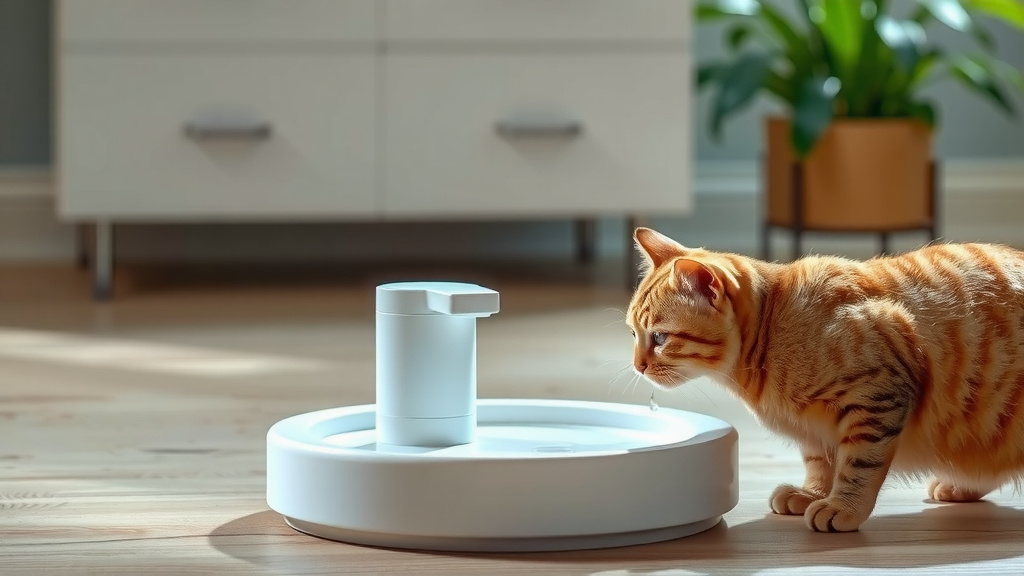
Sometimes, even with a great fountain, things go wrong. The pump gets loud. The motor stops. The cat knocks it over. Don’t panic. Most issues have simple solutions.
We found that most “dead” fountains are actually just clogged fountains. Here is what you do when things get wonky.
What to Do When the Pump Gets Loud or Stops
A humming or gurgling sound usually means the water level is low. Add water immediately. If the noise continues, the pump intake is clogged.
Disassemble the pump and clean the impeller with a cotton swab. That little piece of metal or magnet gets gunk wrapped around it. Removing that gunk usually brings the pump back to life.
Why Your Cat Might Still Avoid the Fountain
Some cats just won’t take to it immediately. Your cat might be staring at it suspiciously. They might even sniff it and walk away. It looks like a spaceship, after all.
Introduce it slowly. Place it next to their old water bowl. Show them it’s safe. You can even briefly switch on the faucet while the fountain runs nearby to help them connect the dots. Patience is your best tool here.
- Place the fountain away from their food bowl to avoid contamination.
- Wash the bowl and pump weekly with hot water and a brush.
- Replace the filter every 2–4 weeks to keep water fresh.
- Fill it with fresh water daily, even if the level looks okay.
- Clean the pump impeller every month to prevent clogs.
- Run the fountain continuously—don’t unplug it at night.
Comparing Fountain Types: Which One Fits Your Home
You have choices when it comes to design. Each style has pros and cons. We found that understanding the design helps you predict maintenance and your cat’s interest level.
Here’s a quick breakdown of the most common types you’llsee at the store.
| Fountain Type | Pros | Cons |
|---|---|---|
| Free-Falling Stream | Mimics a faucet; great for curious cats | Can be splashy; needs frequent water top-ups |
| Flower/Leaf Model | Multiple drinking spots; gentle flow | More parts to clean and assemble |
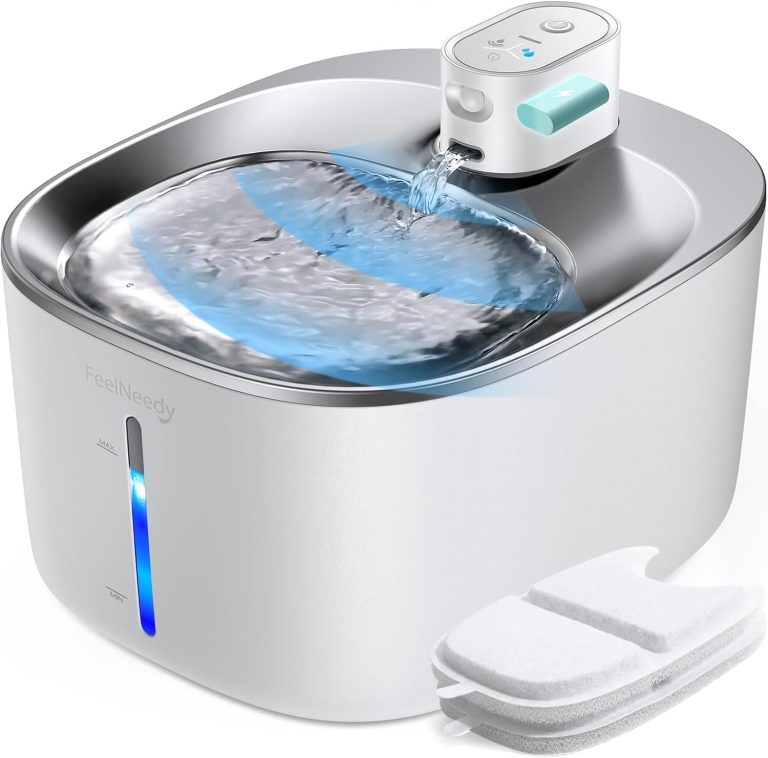
| Stainless Steel Bowl | Bacteria-resistant; durable and heavy | Often pricier; motor can be louder on some models |
| Plastic Petal | Budget-friendly; lightweight | Scratches easily; may cause chin acne |
If you have a cat that loves to dig at water, the free-falling stream might make a mess. If you have a kitten, the flower model might be more inviting. Just remember that the best fountain is the one that gets cleaned.
Conclusion
So, does a cat water fountain work? Yes, for most cats, it does. You saw how the moving water taps into their natural instincts and encourages better drinking habits. That extra hydration is a big deal for preventing kidney and urinary issues down the road.
Your best move is to pick a quiet, stainless steel model that fits your cat’s personality. Then, commit to a simple weekly cleaning routine. A clean fountain is a healthy fountain.
Try it for two full weeks. Give your cat time to adjust. Watch their water intake and litter box habits. We think you will see a positive difference you can feel good about.
Frequently Asked Questions
Will a cat water fountain help a cat that drinks very little water?
Often, yes. The moving water is naturally more appealing to picky drinkers. You might see increased hydration within the first few days. Just make sure you place it in a quiet spot away from their food.
Are cat water fountains safe for kittens and senior cats?
Yes, they are safe for all life stages. Kittens might need a few days to get used to the noise. Senior cats benefit greatly because they are more prone to dehydration. Choose a model with a shallow basin for easier access.
How often should you change the water in a cat fountain?
You should top off the water level every single day. We also recommend a full water change each time you clean the pump, which is weekly. Stagnant water, even in a fountain, loses its freshness quickly.
Can I just put a water fountain next to my cat’s food bowl?
You can, but it is not the best idea. Cats instinctively prefer to drink away from their food source. Placing the fountain a few feet away keeps the water cleaner and makes it more inviting for your cat.
Why is my cat scared of the water fountain?
Some cats are wary of new things, especially if the motor makes a humming sound. Start by unplugging it for a few days so they can investigate it safely. Then plug it back in and let them get used to the motion gradually.